spear globemallow Care (Sphaeralcea hastulata)

spear globemallow

About spear globemallow

Sphaeralcea hastulata, commonly called spear globemallow, is a perennial subshrub from arid and semi-arid regions of the southwestern United States and northern Mexico. It belongs to the mallow family and is adapted to dry, open habitats.

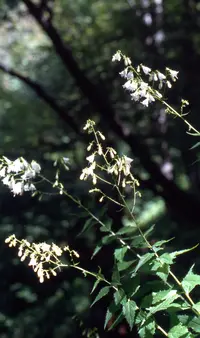
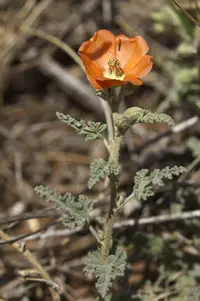
Plants form clumping to slightly shrubby growth, with slender, branching stems and gray-green, often lobed leaves that have a softly hairy texture. Warm-season displays of orange to apricot, cup-shaped flowers attract bees and other pollinators.

This species is valued in waterwise and native plant gardens because it tolerates drought, poor soils, and high heat once established. To care for spear globemallow successfully, it helps to provide full sun, sharply drained soil, and only occasional supplemental water in most climates.

Main Plant Requirements

Care Difficulty

Easy Care

Light Preference

Full Sun

Water Requirements

Low Water

Temperature Preference

Warm Climate

Hardiness Zone

6–9

Soil Texture

Sandy, Loamy, Rocky

Soil pH

Slightly acidic (6.5–7.0), Slightly alkaline (7.0–7.5)

Soil Drainage

Well-drained

Fertilization

Minimal (feed rarely)

Get Personalized Care Plan

Scan your plant to receive care tips personalized for your specific plant

Available on iOS and Android

How to Care for the spear globemallow

This desert perennial needs strong light to flower well and stay compact.

  • Provide full sun with 6–8 hours of direct light daily; morning and midday sun are ideal in most climates.
  • In very hot regions, light afternoon shade after 3–4 p.m. helps prevent leaf scorch and prolonged wilting of spear globemallow.
  • Avoid deep shade; plants grown with less than 4 hours of direct sun become leggy, produce fewer blooms, and are more prone to disease.

This species prefers dry to moderately dry soil and is adapted to low-water conditions.

  • Let the top 5–8 cm of soil dry before watering; established plants in the ground often need only occasional deep soaking during prolonged drought.
  • Increase watering slightly in the first growing season for Sphaeralcea hastulata, focusing on deep, infrequent soakings to encourage a strong root system.
  • Watch for yellowing, soft stems, or persistent wet soil as signs of overwatering; crisp, drooping leaves and very light soil indicate underwatering.

This hardy perennial tolerates a wide temperature range but performs best in warm, dry conditions.

  • Active growth is strongest around 65–85°F (18–29°C), with flowering generally improving as temperatures warm in late spring and summer.
  • Mature plants usually tolerate down to about 0–10°F (-18 to -12°C) when soil drains well, though new growth can be damaged by sudden late frosts.
  • In hot regions with summer highs above 95°F (35°C), plants benefit from mulch and occasional deep watering to limit heat stress and leaf scorch.

This drought-adapted perennial tolerates low humidity and rarely needs special moisture management outdoors.

  • Performs best at 20–40% relative humidity, similar to arid and semi-arid climates.
  • Handles very dry air without issue; leaf edge browning usually relates more to soil drought or heat than to humidity alone.
  • Extra humidity is unnecessary; focus on appropriate watering and full sun exposure rather than misting or grouping plants.

This desert-adapted shrub prefers lean, fast-draining soil that never stays waterlogged.

  • Use a sandy or gravelly loam with 30–60% coarse mineral material such as sharp sand or small grit to mimic native conditions.
  • Ensure rapid drainage; water should infiltrate quickly and not pool on the surface or in the saucer.
  • Aim for slightly alkaline to neutral pH around 7.0–8.0, which supports Sphaeralcea hastulata in typical southwestern soils.
  • In heavy or clay ground, build raised beds and mix in coarse sand and fine gravel to improve aeration and prevent root rot.

This species can be grown in containers if the pot and medium are managed to stay sharply drained and on the dry side.

  • Choose a deep, heavy terracotta or clay pot to keep the root zone stable and prevent tipping in strong sun and wind.
  • Fill the pot with a cactus-style mix heavily amended with coarse sand or grit so water drains through within seconds of watering.
  • Elevate the container slightly on pot feet so drainage holes stay clear and excess water exits quickly after storms or heavy irrigation.

This drought-tolerant native needs only light feeding on poor soils to maintain steady growth and flowering.

  • Use a balanced, low-strength NPK fertilizer or a thin layer of compost in early spring for caring for spear globemallow in lean soils.
  • Apply once at the start of the growing season; a second, light application in midsummer is enough if growth looks weak.
  • Dilute liquid feed to 25–50% of label strength to avoid excess nitrogen, which can cause weak, lanky growth.
  • Do not fertilize in late fall or winter, as the plant is semi-dormant and extra nutrients are not used effectively.

Thoughtful pruning keeps Sphaeralcea hastulata compact, promotes flowering, and maintains plant health.

  • Cut back stems by about one-third in late winter or very early spring before new growth emerges.
  • Remove dead, damaged, or crossing stems during the growing season with clean, sharp hand pruners.
  • Shear lightly after the main bloom flush to encourage a tidier shape and possible repeat flowering.
  • Avoid cutting into very old, woody bases; focus on younger shoots to maintain a balanced, bushy habit.

This species is usually grown in the ground, so focus on careful transplanting rather than frequent repotting.

  • Transplant in early spring or early fall when temperatures are mild and soil is workable.
  • Look for signs such as slow growth, roots circling the pot, or drying out very fast as indicators a container plant needs a larger pot.
  • Move into a container only 1–2 in wider, using a fast-draining sandy or gritty mix to limit root disturbance.
  • Water thoroughly after transplanting, then keep soil lightly moist for 1–2 weeks to help roots re-establish without staying waterlogged.

Sphaeralcea hastulata is most often propagated from seed, with division or cuttings used less frequently.

  • Sow fresh seeds in late winter or early spring in a well-drained, sandy seed mix kept at 65–75°F with bright light.
  • Lightly cover seeds, keep evenly moist but not wet, and provide good air circulation to reduce damping-off disease.
  • For softwood cuttings, take non-flowering tips in late spring, dip in rooting hormone, and root in a gritty mix under high humidity.
  • Established clumps can be divided in early spring, replanting pieces promptly so roots do not dry out.

This perennial is fairly cold hardy in much of its range and usually needs only minimal winter attention outdoors.

  • In regions with cold winters, allow stems to die back naturally, then cut them down in late winter or early spring.
  • Apply a light, 5–7 cm layer of dry mulch around the root zone in late fall in colder climates to moderate soil temperature.
  • Container-grown plants in very cold areas can be moved to an unheated garage or sheltered porch to reduce freeze-thaw stress.

Care Tips

Cutback for Renewal

Shear the plant back by about one-third in late winter or very early spring to remove old, woody growth and stimulate dense new flowering stems for the coming season.

Selective Midseason Trim

If flowering becomes sparse or stems flop after the first flush, lightly trim just the top 5–10 cm of stems to encourage a second, tidier wave of blooms without exhausting the plant.

Wind-Resilient Support

In windy sites, place low, discreet ring supports or short stakes around young plants early in the season so stems can grow through and stay upright without breaking or shading each other.

Gravel Mulch Strategy

Use a 2–4 cm layer of coarse gravel or crushed stone around the base instead of organic mulch to suppress weeds, keep the crown dry, and mimic the plant’s native arid conditions.

Seedling Self-Sowing Control

Allow a few seed heads to mature and drop if you want a naturalized look, but deadhead most spent flowers before seeds ripen to prevent excessive self-sowing when growing spear globemallow in smaller beds.

Common Pests and Diseases

Spider mites

This pest is common on Sphaeralcea in hot, dry conditions and feeds on leaf sap, causing stippling, bronzing, and fine webbing on foliage. Symptoms include dull, speckled leaves that may dry and drop prematurely.

Solution

Rinse foliage thoroughly with a strong stream of water, including leaf undersides, and repeat every few days until activity drops. For heavier infestations, use insecticidal soap or a neem oil spray labeled for mites, and reduce plant stress by maintaining steady irrigation without overwatering.

Rust

This disease appears as orange to brown powdery pustules on the undersides of leaves, often with yellowing on the upper surface. Symptoms include premature leaf drop and general thinning of the plant canopy.

Solution

Remove and discard affected leaves as soon as symptoms appear and avoid overhead watering so foliage dries quickly. Improve air circulation around plants and, if rust persists, apply a sulfur or copper-based fungicide according to label directions, focusing on young foliage where infection starts.

Leafhoppers

These insects suck sap from leaves and young stems, causing pale stippling, curling, and occasional marginal burn on stressed plants. This pest also excretes small dark specks and may transmit minor leaf spotting.

Solution

Reduce populations by spraying plants with a firm stream of water and removing surrounding tall weeds where leafhoppers hide. If needed, use insecticidal soap or a low-impact contact insecticide in the evening when beneficial insects are less active, repeating as new generations appear.

Aphids

These insects cluster on tender shoots, buds, and leaf undersides, extracting sap and causing distortion, curling, and sticky honeydew on foliage. Symptoms include sooty mold growth on the honeydew and stunted new growth.

Solution

Pinch off heavily infested shoot tips and wash remaining aphids from plants with water, repeating every few days. For persistent colonies, apply insecticidal soap or neem oil, coating all plant surfaces, and monitor new growth closely as part of ongoing Sphaeralcea hastulata plant care.

Interesting Facts

Desert wash specialist

This species is naturally concentrated in sandy and gravelly desert washes of the Sonoran and Chihuahuan regions, where it is adapted to brief pulses of water followed by long dry periods.

Arrow-shaped foliage

Its leaves have a distinctively hastate, or arrowhead-like, shape that helps distinguish it from many other North American Sphaeralcea species with more rounded or lobed leaves.

Orange pollinator hotspot

The bright orange flowers provide an important nectar and pollen source for native bees and other desert pollinators during spring and early summer, when floral resources can be limited in its arid habitat.

FAQs about spear globemallow

This species is highly attractive to native bees and many small butterflies. Its open, orange flowers provide accessible nectar and pollen, especially in dry landscapes, making it a useful plant for supporting local pollinator populations.

Grow Healthy Plants with Botan Care

Keep your plants happy and healthy with plant identification, disease detection, and easy care guidance.


Botan plant care app — identify plants on mobile

Explore More Plants