Spur selection
During late winter, keep 1–2 strong, short side shoots per branch and remove weak, congested laterals so the shrub channels energy into fewer, more productive fruiting spurs.

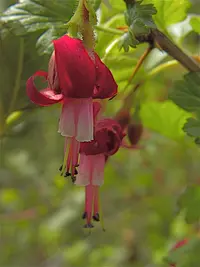
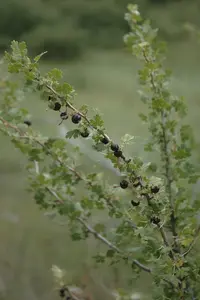
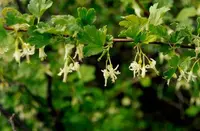
Gummy gooseberry (Ribes lobbii) is a deciduous shrub grown mainly for its small, spiny branches and attractive bell-shaped flowers followed by bristly berries. It tends to form a compact, arching shape that suits naturalistic gardens and wildlife-friendly plantings.
This species is native to western North America, often found in open woods and rocky slopes with good drainage. It is generally hardy and low-maintenance once established, but dislikes poorly drained, waterlogged sites.
To care for gummy gooseberry, provide sun to light shade, moderately moist but not soggy soil, and space for air circulation to reduce common leaf problems.

Care Difficulty
Moderate Care

Light Preference
Partial Shade

Water Requirements
Moderate Water

Temperature Preference
Cold Hardy

Hardiness Zone
6–9

Soil Texture
Loamy, Sandy, Organic-rich

Soil pH
Acidic (5.5–6.5), Slightly acidic (6.5–7.0)

Soil Drainage
Moist but well-drained

Fertilization
Minimal (feed rarely)
Scan your plant to receive care tips personalized for your specific plant
Available on iOS and Android
This shrub prefers cool, bright conditions with some protection from intense sun, especially in hotter regions.
This species prefers evenly moist, well-drained soil and does not like to sit in water.
This North American shrub is hardy and adapted to cool to mild climates with seasonal temperature shifts.
Humidity plays a minor role for Ribes lobbii, which is adapted to relatively dry air.
Soil for Ribes lobbii should be well-drained, moderately fertile, and slightly acidic to neutral.
This species can be grown in containers outdoors if the pot supports its shrub-like root system and drainage needs.
This native shrub needs modest feeding; caring for gummy gooseberry focuses on supporting soil health rather than heavy fertilization.
Ribes lobbii benefits from light, targeted pruning to maintain shape and flower production.
This shrub is usually grown in the ground, so focus on careful transplanting rather than frequent repotting.
Ribes lobbii is commonly propagated from cuttings and by layering, with seeds used less often for home gardening.
This gooseberry is generally cold hardy in many temperate regions and needs minimal winter care once established.

Plant Health Check
Not sure what's wrong with your plant? Check your plant's health inside the app.
This species is native to the Pacific Northwest of North America, where it naturally occurs in dry to moist open forests and rocky slopes from British Columbia into the northwestern United States.
It produces red, bristly berries armed with stiff spines, a trait that helps deter many herbivores while still allowing specialized birds and mammals to feed on the fruit.
Its tubular, red to reddish-purple flowers with reflexed petals are adapted for pollination by hummingbirds, which can easily access the nectar while transferring pollen between plants.

This species is considered part of the gooseberry subgroup within the genus Ribes, and in some regions it hybridizes naturally with closely related native gooseberries, contributing to local genetic diversity and a range of intermediate forms in the wild.
Flowering usually occurs in spring, often from April to June depending on climate. Individual flowers last about 1–2 weeks, but the overall display can extend several weeks as buds open in succession.
Keep your plants happy and healthy with plant identification, disease detection, and easy care guidance.