trumpet gooseberry Care (Ribes leptanthum)

trumpet gooseberry

About trumpet gooseberry

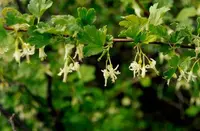
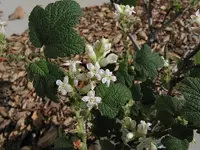
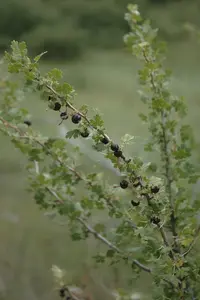
Trumpet gooseberry, Ribes leptanthum, is a deciduous shrub native to dry, rocky slopes and canyons of the southwestern United States. It forms a thicket of stiff, often spiny branches with small lobed leaves and tubular yellow flowers that develop into small edible berries.

This species is adapted to tough conditions and generally has good drought tolerance once established. It prefers sunny, well-drained sites and soils that do not stay waterlogged.

For gardeners, its resilience, wildlife value, and modest size make it suitable for low-water landscapes and naturalistic plantings. Understanding how to care for trumpet gooseberry mainly involves matching its dry, sunny native habitat at home.

Main Plant Requirements

Care Difficulty

Easy Care

Light Preference

Full Sun

Water Requirements

Low Water

Temperature Preference

Cold Hardy

Hardiness Zone

4–8

Soil Texture

Sandy, Loamy, Rocky

Soil pH

Slightly acidic (6.5–7.0), Neutral (7.0)

Soil Drainage

Well-drained

Fertilization

Minimal (feed rarely)

Get Personalized Care Plan

Scan your plant to receive care tips personalized for your specific plant

Available on iOS and Android

How to Care for the trumpet gooseberry

This high-elevation shrub prefers strong light with some protection from harsh afternoon sun.

  • Provide 6–8 hours of direct sun daily, ideally with morning sun and light afternoon shade, especially in hotter, lowland sites.
  • In very hot, dry regions, give trumpet gooseberry dappled or filtered light after 1–2 pm to reduce leaf scorch and moisture stress.
  • In cooler climates, it tolerates full sun all day but may produce fewer flowers and fruits if kept in more than 40–50% shade.

This species is naturally drought-tolerant and prefers infrequent, deeper watering to quick, shallow drinks.

  • Outdoors in the ground, water when the top 5–8 cm of soil are dry, then soak the root zone thoroughly and let it drain fully.
  • During the first 1–2 growing seasons, monitor closely in summer; wilted, dull leaves signal thirst, while yellowing, mushy stems suggest overwatering.
  • In winter, reduce watering sharply, especially in clay or compacted soils, to avoid root rot and allow Ribes leptanthum to rest.

This cold-hardy shrub is adapted to cool to moderate climates with significant winter chill.

  • Best growth occurs around 55–75°F (13–24°C) during the growing season, with cool nights supporting healthy development and fruit set.
  • Established plants tolerate short drops near 0°F (-18°C) when fully dormant, though young shrubs benefit from protection below 10°F (-12°C).
  • Heat tolerance is moderate; in extended periods above 90°F (32°C), provide mulch, afternoon shade, and extra monitoring for drought stress.

Humidity is rarely a concern for Ribes leptanthum, which is adapted to dry air in most home and outdoor conditions.

  • Target 30–50% humidity, which matches typical household or outdoor air in arid and semi-arid regions.
  • This shrub tolerates low humidity without issue, so caring for trumpet gooseberry usually does not require misting or humidifiers.
  • Watch for combined drought and heat stress instead of humidity issues, such as leaf scorch and premature leaf drop during prolonged dry, hot spells.

Ribes leptanthum prefers well-drained, moderately fertile mineral soils that do not stay wet for long.

  • Use a sandy or loamy soil with some gravel or coarse sand to keep pore spaces open and prevent waterlogging around the roots.
  • Aim for slightly acidic to neutral pH, roughly 6.0–7.5, which supports nutrient availability without causing micronutrient toxicity.
  • Blend 20–30% compost into native soil or potting mix for organic matter, but avoid heavy peat-only mixes that hold water for too long.
  • On heavier clay sites, improve drainage and aeration by raising the planting area and incorporating coarse sand or small grit into the top 20–30 cm.

This species can be grown in containers if provided with a stable, deep pot that avoids prolonged root wetness.

  • Choose a container at least 35–40 cm deep so the woody root system can anchor well and resist tipping in wind.
  • Use a heavy clay or thick-walled pot if grown outdoors in exposed sites to reduce top-heaviness and improve stability.
  • Set the pot on feet or blocks so drainage holes stay clear and excess water exits quickly after rain or irrigation.

Ribes leptanthum is a hardy, low-demand shrub that benefits from light feeding in poor soils only.

  • Use a balanced, slow-release fertilizer (around 10-10-10) or a thin layer of compost in early spring if growth or fruiting is weak.
  • Apply once each growing season, scratching fertilizer lightly into the topsoil and watering well afterward.
  • Use fertilizer at half the label rate to avoid excess nitrogen, which can reduce flowering and fruit set.
  • Skip feeding during fall and winter dormancy; trumpet gooseberry rests and does not use extra nutrients then.

Pruning Ribes leptanthum keeps the shrub productive, open, and easy to manage.

  • Plan main pruning for late winter to very early spring, before bud break.
  • Remove dead, diseased, or crossing stems first, then thin the oldest, least-productive canes at the base.
  • Retain a mix of 1–3-year-old stems to support consistent flowering and fruiting.
  • Use clean, sharp bypass pruners and make cuts just above healthy outward-facing buds.

Trumpet gooseberry is usually grown in the ground, so focus on careful transplanting rather than frequent repotting.

  • Transplant young shrubs in early spring or fall when soil is moist and temperatures are mild.
  • Look for signs such as roots circling the pot, slow growth, or rapid drying soil as indicators a container plant needs a larger space.
  • Move into a hole or container only 1–2 sizes larger, keeping the rootball intact and planting at the same depth.
  • Water thoroughly after planting, then keep soil evenly moist for several weeks to reduce root stress and support re-establishment.

Ribes leptanthum is commonly propagated by seed and softwood or semi-ripe cuttings.

  • Sow cleaned seeds in fall or provide 2–3 months of cold stratification in moist medium before spring sowing.
  • Take softwood cuttings in late spring or semi-ripe cuttings in mid to late summer from healthy, non-flowering shoots.
  • Insert cuttings into a free-draining mix, maintain high humidity, and keep temperatures around 65–75°F for rooting.
  • Layer low, flexible stems by pegging them into lightly covered soil until roots form, then separate and transplant.

This shrub is quite cold hardy and usually needs minimal winter care in typical Ribes leptanthum growing regions.

  • Expect fully dormant, leafless stems in winter; this is normal and not a sign of stress.
  • In colder areas, add a 5–8 cm mulch layer around the root zone after the ground cools to moderate soil temperature.
  • Brush off heavy, wet snow from branches to reduce breakage, especially on younger plants.

Care Tips

Skirting Lower Branches

Remove the lowest branches that touch the ground after fruiting to reduce splash-borne fungal disease and make harvest easier, but leave enough foliage to shade the root zone.

Targeted Wind Protection

In very exposed sites, install a breathable windbreak fence or plant on the lee side of a structure to reduce branch breakage and flower loss without blocking full sun.

Mulch With Gravel

Use a 3–5 cm layer of coarse gravel or crushed stone mulch instead of organic mulch to suppress weeds, keep the root zone cooler, and discourage vole and slug activity around the crown.

Selective Fruit Thinning

On heavily loaded branches, remove some of the smallest or most crowded berries early in the season so the remaining fruit sizes up better and the branches are less likely to bend or snap.

Routine Pest Scouting

From early spring, check the undersides of leaves and new shoots every 1–2 weeks for aphids, sawfly larvae, or spider mites, and treat early with a strong water spray or horticultural soap as part of caring for trumpet gooseberry.

Common Pests and Diseases

Gooseberry powdery mildew

This disease causes a white, powdery coating on young leaves, shoots, and sometimes fruit, which can lead to distorted growth and reduced yield. Symptoms include stunted new growth and a dull, greyish appearance on affected tissues as the fungus matures.

Solution

Prune to open the center of the shrub, removing crowded, weak, and infected shoots, then dispose of prunings away from the plant. Improve air circulation and avoid overhead watering; in recurring cases, apply a sulfur or potassium bicarbonate fungicide labeled for gooseberries at the first sign of infection, following label directions carefully.

Currant aphids

These insects feed on tender shoots and the undersides of leaves, causing curling, yellowing, and distorted growth. This pest also excretes sticky honeydew that can attract sooty mold on foliage and stems.

Solution

Spray infested shoots with a firm stream of water to dislodge aphids, and remove heavily distorted tips. Encourage or introduce natural predators such as lady beetles, and if populations remain high, use insecticidal soap or neem oil, making sure to thoroughly wet the undersides of leaves in cool, shaded conditions.

Gooseberry leaf spot

This disease produces small brown or purplish spots on leaves that can merge, causing premature leaf drop and weakening the shrub over time. Symptoms include thinning foliage from mid to late season, especially in humid or irrigated plantings.

Solution

Rake and discard fallen leaves and debris around the plant to reduce fungal spores, and water at the base to keep foliage dry. In sites with a history of leaf spot, apply a copper‑based or other labeled fungicide just as leaves emerge in spring and repeat as directed, focusing on good coverage of the lower canopy.

Currant fruitworms

These caterpillars tunnel into developing berries, leaving small entry holes, frass, and prematurely shriveled fruit. This pest can significantly reduce usable yield, especially in unmanaged or wild stands.

Solution

Handpick and destroy infested berries and any visible larvae early in the season, and clean up fallen fruit to reduce overwintering sites. For repeated problems, use pheromone traps or timing guides from local extensions to monitor moth activity, and apply Bacillus thuringiensis (Bt) to young larvae when they first appear on flower clusters or small fruit.

Spider mites

These pests are tiny sap‑feeding arachnids that cause fine stippling, bronzing, and a dull appearance on leaves, sometimes accompanied by fine webbing. Symptoms include leaves that feel dry or rough and may drop early in hot, dry weather.

Solution

Increase humidity around the plant where practical and regularly hose down foliage, focusing on the undersides of leaves, to knock mites off and disrupt webs. If populations persist, apply insecticidal soap or horticultural oil during cooler parts of the day, repeating as needed while monitoring for natural predators such as predatory mites.

Interesting Facts

Southwestern canyon specialist

This species is native to the southwestern United States, where it often grows on rocky slopes and canyon walls in New Mexico, Arizona, and nearby regions, showing strong adaptation to dry, high-elevation habitats.

Narrow-tubed flowers

Its small yellow to greenish flowers have narrow tubular corollas that favor pollination by certain bees and hummingbirds able to access the nectar, contributing to specialized pollinator interactions in arid mountain ecosystems.

Spiny berry producer

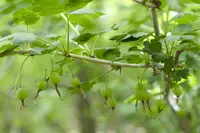
The shrub bears spines along its stems and produces edible, typically yellowish berries that provide an important seasonal food source for birds and small mammals in its native range.

Botan icon

Did you know?

Botanists recognize several geographic forms and hybrids involving this species within the Ribes section Lobbia, reflecting a complex evolutionary history linked to past climate shifts and mountain-building events in western North America.

FAQs about trumpet gooseberry

The berries are edible and traditionally used fresh, dried, or cooked in jams and jellies. Flavor ranges from tart to mildly sweet. Only harvest fully ripe fruit, and avoid eating foliage, which is not commonly used as food.

Grow Healthy Plants with Botan Care

Keep your plants happy and healthy with plant identification, disease detection, and easy care guidance.

Botan plant care app — identify plants on mobile

Explore More Plants