rock gooseberry Care (Ribes quercetorum)

Also known as: oak gooseberry, oakwoods gooseberry
rock gooseberry

About rock gooseberry

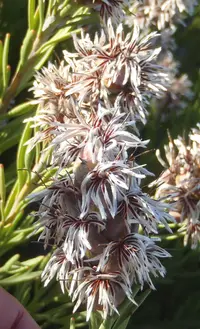
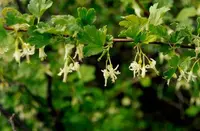
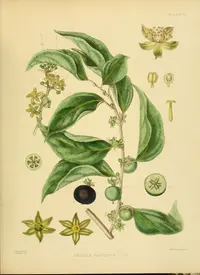
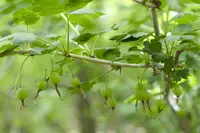
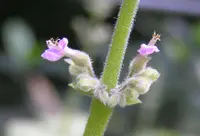
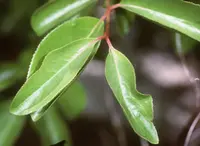
Rock gooseberry (Ribes quercetorum) is a deciduous shrub native to dry slopes and canyon areas of the western United States. It typically forms a rounded, somewhat open plant with arching, often spiny branches and small lobed leaves. Its flowers are small and yellowish, followed by dark berries that attract birds and wildlife. The plant is adapted to lean, well-drained soils and seasonal drought, which makes it generally resilient once established. In cultivation, it suits low-water gardens and naturalistic landscapes, but young plants may need protection from extreme heat or poor drainage. Understanding how to care for rock gooseberry starts with providing sun, good air flow, and soil that does not stay wet for long periods.

Main Plant Requirements

Care Difficulty

Easy Care

Light Preference

Full Sun

Water Requirements

Low Water

Temperature Preference

Cold Hardy

Hardiness Zone

6–9

Soil Texture

Sandy, Loamy, Rocky

Soil pH

Acidic (5.5–6.5), Slightly acidic (6.5–7.0)

Soil Drainage

Well-drained

Fertilization

Minimal (feed rarely)

Get Personalized Care Plan

Scan your plant to receive care tips personalized for your specific plant

Available on iOS and Android

How to Care for the rock gooseberry

Ribes quercetorum prefers bright, open conditions similar to its native scrub and woodland edges.

  • Provide 6–8 hours of direct sun daily; morning sun with light afternoon shade is ideal in hotter regions.
  • Tolerates partial shade (3–4 hours sun) but fruiting and compact growth decline as shade increases.
  • In very hot, dry climates, protect from harsh late-afternoon sun to reduce leaf scorch; ensure plants are not shaded out by taller vegetation over time.

This drought-tolerant shrub prefers infrequent, deep watering once established in well-drained soil.

  • Water when the top 5–7 cm of soil feels dry; soak the root zone thoroughly rather than giving light, frequent splashes.
  • During the first 1–2 growing seasons, check weekly in dry weather; in established plants, reduce watering, relying mostly on rainfall.
  • Yellowing, soft leaves and persistent wet soil indicate overwatering; dull, curling leaves and rapid leaf drop suggest the plant needs water.

This species is adapted to continental climates with cool winters and warm, dry summers.

  • Active growth is best at 55–75°F (13–24°C), with flowering and fruiting reliable in these moderate conditions.
  • Dormant plants tolerate winter lows near 0°F (−18°C) once established, but young shrubs benefit from protection from severe, exposed frost.
  • In summer, plants handle 85–95°F (29–35°C) if soil is not waterlogged; mulch helps buffer root temperatures and reduce heat stress.

This shrub tolerates a wide humidity range and rarely needs special humidity management outdoors.

Ribes quercetorum prefers mineral, well-aerated ground that sheds water quickly yet does not dry out instantly.

  • Use sandy or gravelly loam with 20–30% coarse sand or grit to enhance structure and root oxygen access.
  • Ensure fast drainage; avoid sites where water stands after rain or heavy clay that compacts when dry.
  • Aim for slightly acidic to neutral pH around 6.0–7.2 and mix in modest compost for nutrients, not peat-heavy blends.
  • On heavy soils, create a raised mound with added grit and coarse organic matter to reduce waterlogging risk.

This species can be grown in containers if the pot is chosen and managed for strong drainage and root space.

  • Select a deep, heavy container that resists tipping as stems elongate and fruits develop on one side.
  • Use a gritty mix, such as 50–60% mineral components (coarse sand, fine gravel) to keep pore spaces open in the pot profile.
  • Raise the container on pot feet or bricks so drainage holes stay clear and water does not pool under the base.

This drought-adapted native shrub needs only modest nutrition, so focus on light, infrequent feeding for balanced Ribes quercetorum plant care.

  • Apply a thin layer of compost around the root zone in early spring to support new growth.
  • If growth is weak, use a balanced NPK fertilizer at 1/2 strength every 6–8 weeks during the growing season.
  • Avoid high-nitrogen lawn fertilizers, which can cause soft, disease-prone shoots.
  • Stop feeding in late summer so the plant can harden off before winter dormancy.

Ribes quercetorum benefits from light, timely pruning to maintain structure and flowering wood.

  • Prune in late winter to early spring before buds break, when branch structure is easy to see.
  • Remove dead, diseased, or crossing stems first, cutting back to healthy wood with clean, sharp pruners.
  • Thin out a few of the oldest stems at the base to improve air flow and encourage new shoots.
  • Shorten overly long branches to shape the shrub, but retain younger wood that will bear flowers and fruit.

This species is typically grown in the ground, so focus on careful transplanting rather than frequent repotting.

  • Transplant young shrubs in late fall or early spring when soil is moist and temperatures are mild.
  • Move plants only when root growth circles a container or when growth declines due to crowding.
  • Dig a wide planting hole, loosen the outer roots gently, and keep the original root-ball depth level with the soil surface.
  • Water thoroughly after planting and maintain even moisture for several weeks to limit transplant shock.

Ribes quercetorum is commonly propagated from cuttings or seed under suitable outdoor conditions.

  • Take semi-hardwood cuttings in late summer, then root them in a gritty, well-drained mix kept slightly moist.
  • Use a rooting hormone to increase success and place cuttings in bright, indirect light with good air flow.
  • Sow ripe seed outdoors in fall so natural winter chill provides the cold stratification needed for germination.
  • Label seed or cutting beds and keep weed-free until young plants are large enough to move.

This species is generally cold hardy in its native range and needs minimal winter care once established.

  • In colder areas, apply a 5–8 cm layer of mulch around the root zone, keeping it slightly away from stems.
  • Container-grown plants are more vulnerable; move them to a sheltered, unheated spot that stays above about 20°F.
  • Avoid late-season nitrogen feeding so new growth is not exposed and tender during freezing periods.

Care Tips

Wildlife-friendly netting

Use bird-safe netting with a mesh size of 1.5–2 cm over the shrub just before berries start to blush, securing it to a simple frame so birds cannot reach fruit yet pollinators can still access flowers earlier in the season.

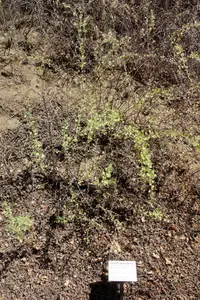
Thoughtful cane renewal

When removing old canes, cut them at ground level and leave a small number of well-spaced young canes, which improves airflow in the center of the shrub and reduces powdery mildew and aphid pressure.

Low-input mulch strategy

Apply a 5–8 cm layer of coarse, well-aged wood chips or shredded bark in late winter, keeping it a few cm away from the crown to suppress weeds, buffer soil temperature, and reduce irrigation frequency when growing rock gooseberry.

Dry-climate establishment

In the first 1–2 years, use a simple donut-shaped soil berm around the root zone to capture rainfall and irrigation water, then gradually flatten it once roots have spread and the plant is more drought-resilient.

Efficient pest scouting

From early spring, inspect the undersides of young leaves and developing shoots every 1–2 weeks, focusing on inner, shaded branches where aphids and sawfly larvae tend to appear first, so you can remove or treat small infestations before they spread.

Common Pests and Diseases

Currant fruit fly

This pest lays eggs in developing berries, and larvae tunnel inside, causing the fruit to become misshapen, discolored, and prone to dropping early.

Solution

Pick and destroy infested and prematurely dropping berries to break the life cycle, and clean up all fallen fruit after harvest. Where pressure is high, use fine insect netting over shrubs just before flowering ends and remove nearby wild Ribes hosts if practical to reduce local populations.

Currant aphids

These insects feed on young shoots and leaf undersides, causing curling, distortion, and sticky honeydew that can encourage sooty mold.

Solution

Spray colonies off with a firm stream of water and pinch out heavily infested shoot tips. For persistent outbreaks, apply insecticidal soap or a light horticultural oil to leaf undersides in the early morning, and encourage natural predators by avoiding broad-spectrum insecticides.

Currant sawfly

This pest appears as green, caterpillar-like larvae that skeletonize leaves, sometimes defoliating shrubs very quickly in late spring or early summer.

Solution

Inspect plants frequently when leaves flush and hand-pick or shake larvae into soapy water at the first signs of feeding. In heavier infestations, treat foliage with a labeled spinosad product in the evening, and keep the base of plants clear of leaf litter where pupae may overwinter.

Powdery mildew

This disease produces a white, powdery coating on leaves and young shoots, which can lead to leaf curling, reduced vigor, and poorer fruit set in humid, shaded conditions.

Solution

Prune to open the canopy and improve airflow, avoid overhead watering, and promptly remove heavily infected leaves and shoot tips. If needed, apply a sulfur or potassium bicarbonate fungicide labeled for currants at the first signs of infection, repeating as directed during warm, dry periods that favor this fungus.

White pine blister rust

This disease causes yellow to orange leaf spots and stem lesions on Ribes, and is regionally important where susceptible 5-needle pines and Ribes grow together.

Solution

In areas where this disease is regulated, follow local guidelines on planting and spacing from white pines, and promptly remove and destroy any Ribes with confirmed infections. Maintain good shrub vigor through proper watering and pruning, and consider alternative species in zones with strict white pine blister rust management rules when planning how to take care of rock gooseberry.

Interesting Facts

Desert chaparral specialist

This gooseberry is native to arid foothills and chaparral of California and northern Baja California, where it grows among oaks and scrub on rocky, well-drained slopes rather than in moist forest habitats typical of many other currants and gooseberries.

Spiny wildlife shelter

Its densely spiny branches create a protective thicket that offers refuge for small birds and mammals from predators, while also supporting nectar-feeding insects when it flowers in late winter to early spring.

Drought-adapted foliage

The small, somewhat leathery leaves and arching, open growth form help reduce water loss, allowing the shrub to stay alive through long summer dry periods typical of its native Mediterranean-type climate.

FAQs about rock gooseberry

The berries are edible when fully ripe and are sometimes used fresh or cooked in jams or jellies. Flavor ranges from tart to mildly sweet. Avoid unripe fruit, and always positively identify wild plants before eating.

Grow Healthy Plants with Botan Care

Keep your plants happy and healthy with plant identification, disease detection, and easy care guidance.

Botan plant care app — identify plants on mobile

Explore More Plants