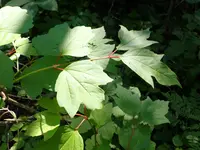
Scented Sceptre Care (Paranomus dregei)

Also known as: Scented Scepter
Scented Sceptre

About Scented Sceptre

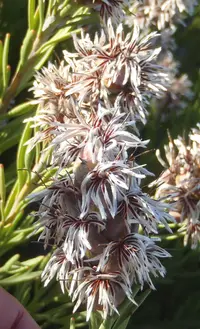
Scented sceptre, Paranomus dregei, is a compact, evergreen shrub from the fynbos heathlands of South Africa. It belongs to the Proteaceae family, known for specialized, nutrient-efficient roots and cone-like flower heads. The plant forms upright, bushy growth with finely divided, often scented foliage and unusual, cylindrical inflorescences that add strong architectural interest in the garden. In its native habitat it grows on poor, sandy, well-drained soils with a Mediterranean-type climate. It is considered moderately challenging, because it dislikes rich fertilizers, heavy soils, and prolonged wet conditions. Gardeners who learn how to care for Scented Sceptre usually focus on excellent drainage, full sun, and low–moderate moisture.


Main Plant Requirements

Care Difficulty

Hard Care

Light Preference

Full Sun

Water Requirements

Low Water

Temperature Preference

Warm Climate

Hardiness Zone

9–11

Soil Texture

Sandy, Loamy, Rocky

Soil pH

Strongly acidic (4.5–5.5), Acidic (5.5–6.5)

Soil Drainage

Well-drained

Fertilization

Minimal (feed rarely)

Get Personalized Care Plan

Scan your plant to receive care tips personalized for your specific plant

Available on iOS and Android

How to Care for the Scented Sceptre

This South African shrub needs strong light and open exposure to flower and keep compact.

  • Provide full sun for 6–8 hours daily; light afternoon shade in very hot inland climates helps prevent leaf scorch.
  • Site Scented Sceptre on a south- or west-facing slope or open bed where nearby trees or buildings do not cast dense shade.
  • In coastal or mild climates it tolerates all-day sun; in winter, avoid heavy shade, which leads to weak, stretched growth and fewer blooms.

This species prefers deep but infrequent watering once established, with fast-draining, sandy soil.

  • Outdoors in the ground, water only when the top 5–8 cm of soil are completely dry and the foliage looks slightly less turgid, then soak the root zone thoroughly.
  • Ensure very sharp drainage using sandy, gravelly, or decomposed granite soils; Paranomus dregei is highly prone to root rot in compacted or waterlogged ground.
  • Reduce or stop supplemental water in cool, wet seasons; signs of overwatering include blackened stems and limp, dull leaves, while severe underwatering causes crisp leaf tips.

This fynbos shrub prefers mild, dry conditions and does best in climates with cool winters and warm, not extreme, summers.

  • Aim for 55–75°F (13–24°C) for active growth; it tolerates short warm spells up to about 85°F (29°C) if soil stays slightly dry and air movement is good.
  • Protect from hard frost; brief light frosts down to about 28°F (−2°C) may be tolerated, but damage increases below 25°F (−4°C), especially on young plants.
  • Avoid planting in frost pockets or heat traps; choose slopes or raised beds where cold air drains away in winter and roots stay cooler in summer.

This fynbos shrub handles relatively dry air and usually does not need humidity adjustment.

  • Aim for 30–50% humidity, similar to typical indoor air, without deliberate boosting.
  • Plants tolerate brief drier spells if soil moisture is correct, so avoid misting or humidifiers.
  • If leaf tips brown while soil is not overly dry or fertilized, check for heat stress rather than low humidity.

Paranomus dregei needs very free-draining, low-nutrient, sandy soil to avoid root loss.

  • Use a sandy, gritty mix such as 50–60% coarse sand or fine gravel with the rest low-phosphorus composted bark or ericaceous mix.
  • Keep soil pH slightly acidic, around 5.5–6.5, avoiding lime or alkaline amendments that can impair nutrient uptake.
  • Improve aeration and drainage by adding coarse materials like pumice or perlite rather than water-holding peat or standard compost.
  • Avoid heavy clay, compacted, or rich manured soils, which stay wet, exclude air, and promote root rot in this species.

This shrub can be grown in containers if the pot is managed to stay sharply drained and stable.

  • Choose a deep, heavy container so the root system anchors well and the tall, woody top does not tip in wind.
  • Raise the pot on feet or bricks so water clears the drainage holes quickly after rain or irrigation.
  • Use a narrow-based but deep form rather than wide, shallow tubs to keep the root zone cool and prevent surface drying too fast.

This nutrient-sensitive shrub from nutrient-poor soils needs very light feeding, if any, when grown in cultivation.

  • Use a low-phosphorus, slow-release native plant fertilizer or light top-dressing of well-aged, low-nutrient compost in spring.
  • Feed once at the start of the main growing season; avoid repeated applications through summer.
  • Dilute liquid products to 1/2–1/4 strength to reduce root burn risk and salt buildup.
  • Stop feeding in late summer so Scented Sceptre can harden growth before cooler weather.

Paranomus dregei responds well to light, timely pruning that maintains shape and flowering wood without stressing the plant.

  • Prune soon after main flowering finishes, avoiding heavy cuts into old, bare wood.
  • Remove dead, diseased, or storm-damaged stems first, using clean, sharp bypass secateurs.
  • Thin crowded interior shoots to improve air flow and light penetration, keeping the shrub open and balanced.
  • Tip-prune soft new growth lightly to encourage bushier branching while preserving strong flowering stems.

This shrub is best grown in the ground; container plants or young nursery stock should be transplanted carefully to avoid root disturbance.

  • Transplant in late winter to early spring when temperatures are mild and growth is just restarting.
  • Look for roots circling the pot, slowed top growth, or quick drying soil as signs a container plant needs a larger space.
  • Handle the root ball gently, loosening only the outermost circling roots and avoiding root pruning.
  • Set the plant at the same soil level in a sharply drained, low-phosphorus medium, then water deeply once and keep stress low for several weeks.

This species is challenging to multiply and is usually propagated by experienced growers from seed or semi-hardwood cuttings.

  • Collect fresh seed and sow in a well-drained, low-phosphorus mix, often after smoke or heat pretreatment to improve germination.
  • Sow in late winter to early spring, keeping temperatures cool to mild with bright light and even but not waterlogged moisture.
  • Take semi-hardwood cuttings in late summer, using a sterile, sharply drained rooting medium and bottom heat around 68–72°F.
  • Provide high humidity, excellent air movement, and very careful watering, as cuttings are prone to rot and slow to root.

This fynbos shrub prefers mild, frost-free winters and needs protection in colder climates.

  • In regions below about 25°F, grow in containers so plants can be moved into a bright, cool, frost-free space for winter.
  • In-ground plants in marginal zones benefit from a 5–8 cm layer of coarse, dry mulch around but not against the stem base.
  • Avoid wet, heavy soils in winter, which increase root rot risk when combined with low temperatures.

Care Tips

Root-zone mulching

Apply a 3–5 cm layer of coarse, low-nutrient mulch such as pine bark or wood chips around the base to keep roots cool, suppress weeds, and protect the shallow root system from disturbance, but keep mulch a few cm away from the stem to prevent rot.

Wind and frost shelter

Position the plant on a slope or behind a low windbreak so cold air can drain away and strong winds do not snap young shoots, and use a breathable frost cloth on forecast frost nights during the first 2–3 winters.

Minimal root disturbance

Avoid cultivating, digging, or planting other shrubs within the root zone, as this species has sensitive proteoid roots that react poorly to disturbance; hand-pull weeds instead of hoeing.

Phosphorus-safe companions

Grow it with other low-phosphorus, fynbos-type plants such as Leucadendron or Erica species so the shared bed does not receive high-phosphorus fertilizers that can damage its specialized roots.

Cutting harvest timing

If using stems for cut flowers, harvest when the flowerheads are firm but not fully open, using clean, sharp pruners and leaving strong shoots on the plant, which encourages a balanced framework without exhausting the plant when growing Scented Sceptre.

Common Pests and Diseases

Phytophthora dieback

This disease causes sudden wilting, blackening of stems, and death of branches, often after periods of wet soil. Symptoms include dark, water-soaked lesions at the root collar and progressive decline of the whole plant.

Solution

Remove and destroy affected plants and any obviously infected roots or stems, then avoid replanting Proteaceae in the same spot. Improve drainage, keep irrigation off the crown, avoid waterlogged conditions, and if allowed in your area, use a phosphite (phosphonate) spray or drench as a preventative measure according to label directions.

Botrytis blight

This disease appears in cool, humid weather as browning of flower heads and young shoots, followed by a grey, fuzzy mold on affected tissue. Symptoms include dieback of tender growth and premature browning of inflorescences.

Solution

Promptly prune out and discard all infected flower heads and shoots, making clean cuts into healthy tissue. Reduce overhead watering, space plants to improve airflow, remove dense debris around the base, and in persistent cases consider a registered fungicide labeled for Botrytis on ornamental shrubs, following all safety and label instructions.

Armillaria root disease

This disease causes gradual decline, poor new growth, and eventual plant death, especially in sites with a history of infected woody plants. Symptoms include white fungal sheets under the bark at the root collar and honey-colored mushrooms near the base in wet seasons.

Solution

Uproot and dispose of heavily affected plants, including as much root material as possible, and avoid replanting susceptible Proteaceae in the same pit. Improve site drainage, avoid overwatering, remove old stumps and dead roots nearby, and select new planting areas with no known Armillaria history when trying to grow Paranomus dregei again.

Leaf miners

These insects create pale, winding tunnels inside the leaves, which can lead to distortion and reduced photosynthesis when damage is heavy. This pest is more visible on softer, juvenile foliage and can stress young plants.

Solution

Remove and discard leaves with extensive tunneling to reduce larval numbers. Encourage natural predators, avoid broad-spectrum insecticides, and use a targeted systemic product labeled for leaf miners on ornamental shrubs only if damage is severe and other methods fail.

Scale insects

These insects appear as small, fixed bumps on stems and leaf bases, often accompanied by sticky honeydew and sooty mold. This pest can weaken plants by slowly extracting sap, especially on stressed or container-grown specimens.

Solution

Gently scrape or wipe off accessible scales with a cloth or soft brush, then prune heavily infested stems. Improve plant vigor with correct light, drainage, and low-phosphorus nutrition, and if needed apply a horticultural oil spray during mild weather, ensuring thorough coverage of stems and leaf bases.

Interesting Facts

Fynbos niche specialist

This species is naturally restricted to sandstone slopes in the southwestern Cape fynbos of South Africa, where it grows in nutrient-poor, acidic soils and depends on that specific fire‑prone shrubland ecosystem to persist.

Proteoid root adaptation

The plant forms dense clusters of fine proteoid roots that greatly increase the surface area for nutrient uptake, a typical adaptation in the Proteaceae that allows it to access scarce phosphorus in impoverished fynbos soils.

Fire‑linked life cycle

Mature shrubs are usually killed by intense wildfires, but the heat and post‑fire conditions trigger seed germination, so populations regenerate as even‑aged stands following fire events.

Botan icon

Did you know?

The seeds bear a fleshy oil‑rich appendage called an elaiosome that attracts native ants, which carry the seeds to their nests, eat the elaiosome, and leave the intact seeds protected underground, a mutualism known as myrmecochory that helps the species survive both predators and fire.

FAQs about Scented Sceptre

Growth is moderate rather than fast. In suitable, low-nutrient, acidic conditions it may add around 10–25 cm per year. Poor drainage, high phosphorus fertilizer, or very hot, dry inland sites slow extension growth and shorten lifespan.

Grow Healthy Plants with Botan Care

Keep your plants happy and healthy with plant identification, disease detection, and easy care guidance.

Botan plant care app — identify plants on mobile

Explore More Plants