


Rotate For Even Color
Turn the pot 90° every 1–2 weeks so all sides receive similar light intensity, which keeps leaf color balanced and prevents a lopsided, light-stretched form.

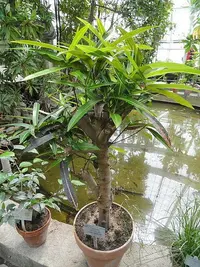
Garden croton, Codiaeum variegatum var. variegatum, is an evergreen shrub grown mainly for its striking, long-lasting foliage rather than its flowers. Leaves are often leathery and glossy, with bold patterns of yellow, orange, red, and green that intensify in strong light.
In tropical regions it is used as a landscape shrub, while in cooler climates it is commonly grown indoors as a container plant. It tends to stay compact but can become a medium-sized shrub over time.
This species prefers bright light, stable warmth, and evenly moist but well-drained soil, and it dislikes sudden changes in temperature or drafts. These traits make how to care for garden croton slightly more demanding than many beginner houseplants, but manageable with consistent conditions.

Care Difficulty
Moderate Care

Light Preference
Partial Sun

Water Requirements
Moderate Water

Temperature Preference
Tropical / Frost Sensitive

Hardiness Zone
10–12

Soil Texture
Loamy, Sandy, Organic-rich

Soil pH
Acidic (5.5–6.5), Slightly acidic (6.5–7.0)

Soil Drainage
Moist but well-drained

Fertilization
Light (every 4–6 weeks)
Scan your plant to receive care tips personalized for your specific plant
Available on iOS and Android
Codiaeum variegatum var. variegatum develops best color with bright, stable light levels each day.
This species needs evenly moist but not saturated soil to support dense foliage and stable growth.
This plant prefers warm, stable conditions and reacts quickly to cold or sudden temperature swings.
This species prefers fairly high, stable humidity to keep foliage dense and colorful.
Codiaeum variegatum var. variegatum grows best in airy, moisture-retentive but fast-draining soil.
This species is well suited to container growing due to its upright, woody habit and controllable size.
Croton benefits from modest, consistent feeding to support dense foliage and strong color.
Pruning helps Codiaeum variegatum var. variegatum stay compact, bushy, and well-shaped.
Croton grown in containers benefits from infrequent but careful repotting to maintain healthy roots.
New plants are most commonly produced from stem cuttings taken from healthy crotons.
Croton is frost sensitive and needs careful winter management in most temperate climates.

Plant Health Check
Not sure what's wrong with your plant? Check your plant's health inside the app.
The leaves and stems contain a milky latex rich in diterpene esters, which makes the plant distasteful to many herbivores and can irritate human skin and eyes on contact.
Its vivid reds, oranges, and yellows develop best under high light, because the plant increases protective pigments like carotenoids and anthocyanins in response to stronger sunlight.
This species has been cultivated as a house and garden ornamental across tropical Asia and the Pacific since at least the 19th century, valued for its long-lived foliage that keeps color throughout the year in warm climates.

In some Pacific Island and Southeast Asian cultures, this species has been traditionally planted near homes and temples as a symbolic protector, with different leaf forms and color patterns selected and named in local horticultural traditions over many generations.
Brown, crispy edges usually result from low humidity, underwatering, or exposure to hot or cold drafts. Fertilizer burn and salt buildup in the soil can also scorch margins. Adjust environment gradually and flush the potting mix if needed.
Keep your plants happy and healthy with plant identification, disease detection, and easy care guidance.
