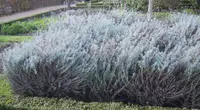
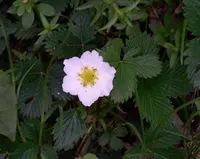
snow currant Care (Ribes niveum)

snow currant

About snow currant

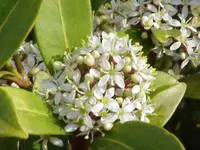
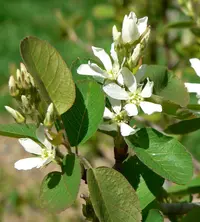
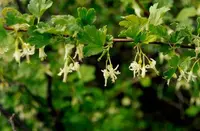
Snow currant, Ribes niveum, is a cold-hardy, deciduous shrub grown mainly for its edible berries and simple, lobed leaves. It forms a rounded, multi-stemmed shape with clusters of small flowers that develop into light-colored, translucent fruits.

This species occurs naturally in cooler regions and higher elevations, where it tolerates low temperatures and seasonal variation well. Its general toughness and disease resistance make it relatively straightforward to grow in suitable climates.

Snow currant prefers a sunny to lightly shaded spot, moderately moist soil, and good drainage. Understanding how to care for snow currant starts with matching its need for cool winters and steady moisture without waterlogging.

Main Plant Requirements

Care Difficulty

Moderate Care

Light Preference

Partial Sun

Water Requirements

Regular Water

Temperature Preference

Cold Hardy

Hardiness Zone

5–8

Soil Texture

Loamy, Sandy, Organic-rich

Soil pH

Acidic (5.5–6.5), Slightly acidic (6.5–7.0)

Soil Drainage

Moist but well-drained

Fertilization

Minimal (feed rarely)

Get Personalized Care Plan

Scan your plant to receive care tips personalized for your specific plant

Available on iOS and Android

How to Care for the snow currant

This shrub prefers cool climates with consistent light, not intense heat.

  • Provide 4–6 hours of direct morning sun with light afternoon shade; in hotter areas, use dappled or filtered light after midday.
  • Snow currant tolerates partial shade, but flowering and fruiting drop if it receives under 3–4 hours of direct sun during the growing season.
  • Watch for leaf scorch, pale foliage, or crisp edges as signs of too much strong sun, and sparse, leggy shoots as signs of insufficient light.

Ribes niveum prefers evenly moist, well-drained soil rather than constant saturation.

  • Water when the top 3–5 cm of soil feels dry, applying a deep soak at the root zone instead of light surface sprinkling.
  • Reduce watering frequency in cool, rainy periods and during winter dormancy, but avoid letting the soil dry out hard or crack.
  • Yellowing leaves and soft, blackening stems suggest overwatering or poor drainage, while drooping leaves, dry twig tips, and shriveling fruit indicate underwatering.

This cold-hardy currant shrub is adapted to temperate outdoor climates.

  • Active growth is strongest at 55–75°F (13–24°C), with flowering and fruit set most reliable in cool springs and mild summers.
  • Dormant plants tolerate winter lows around -20°F (-29°C) when established, especially with mulch protecting the root zone.
  • Prolonged heat above 85°F (29°C) can reduce fruit quality; use mulch and light afternoon shade to limit heat stress and avoid rapid freeze–thaw cycles in late winter.

Ribes niveum handles a wide humidity range and rarely needs special adjustment outdoors.

  • Target 40–60% humidity; avoid prolonged air below 30% in very hot, windy sites to reduce leaf scorch risk.
  • Mild humidity stress shows as browning along leaf edges and faster wilting between waterings.
  • In very dry microclimates, shelter snow currant from strong drying winds and use organic mulch to slow surface evaporation.

Ribes niveum prefers deep, moist, well-drained soil with moderate fertility for steady growth and fruiting.

  • Use a loamy structure rich in organic matter that crumbles easily when squeezed, avoiding compacted or heavy clay profiles.
  • Aim for slightly acidic to neutral pH around 6.0–7.0 to support nutrient availability and root health.
  • Incorporate 3–6 cm of compost plus coarse sand or fine grit into the top 20–30 cm to improve drainage and aeration.
  • Avoid waterlogged, shallow, or extremely sandy sites; in marginal soils, create a raised bed to keep roots above standing water.

This species can be grown in containers if the pot is large and stable enough for its root system and canopy.

  • Choose a container at least 40–50 cm deep to allow a strong root framework that supports upright, fruiting canes.
  • Select a heavy, frost-resistant pot material to reduce tipping risk as the shrub becomes top-heavy with foliage and fruit.
  • Ensure very free drainage, then slightly elevate the pot feet so excess water leaves quickly and does not pool under the base.

Ribes niveum benefits from modest feeding to support healthy growth and fruiting in average garden soil.

  • Apply a balanced slow-release fertilizer (around 10-10-10) once in early spring as new growth starts.
  • Alternatively, spread a 2–5 cm layer of well-rotted compost over the root zone each spring.
  • Use granular products at the low label rate or liquids at 1/2 strength to avoid lush, weak growth.
  • Avoid fertilizing in late summer and winter to prevent soft growth that may be damaged by frost.

Ribes niveum responds well to light, structured pruning that maintains an open, productive framework.

  • Carry out main pruning in late winter to very early spring while the plant is still dormant.
  • Remove dead, diseased, and damaged wood first, then thin out crossing or crowded branches.
  • Shorten older, unproductive stems to encourage new shoots that will bear future flowers and fruit.
  • Use clean, sharp bypass pruners and make cuts just above outward-facing buds to guide plant shape.

Snow currant is usually grown in the ground, so care focuses on thoughtful transplanting rather than frequent repotting.

  • Plan transplanting for late fall or early spring when soil is workable and the plant is dormant.
  • Move shrubs that show poor performance, restricted root space, or site mismatch rather than by a fixed schedule.
  • Dig a wide planting hole, keep as much root ball intact as possible, and set at the same soil depth.
  • Water deeply after transplanting, mulch 5–8 cm around (not on) the stems, and keep soil evenly moist to limit stress.

Ribes niveum is commonly propagated vegetatively to maintain desired traits and plant vigor.

  • Take hardwood cuttings in late fall to winter, 15–20 cm long, from healthy 1-year shoots.
  • Insert cuttings in a free-draining medium, keep cool and slightly moist, and allow several months for rooting.
  • Use simple layering in early spring by pegging a low, flexible stem into soil until roots form.
  • Sow seeds in fall or after a cold stratification period, using a moist, well-drained seed mix with bright, indirect light.

This shrub is generally cold hardy in temperate climates and needs only minimal winter care outdoors.

  • Apply a 5–8 cm mulch layer over the root zone in late fall, keeping material slightly away from stems.
  • Ensure soil drains well to prevent roots standing in cold, saturated conditions.
  • For container plants in colder regions, move pots to a sheltered, unheated but frost-moderated location.

Care Tips

Use multi-stem fans

Select 3–5 strong young shoots and tie them to horizontal wires or a fan-shaped frame to create an open, multi-stem structure that improves light penetration, air flow, and fruit quality.

Renewal cane rotation

Each late winter, remove at ground level 20–25% of the oldest, darkest canes and keep the same number of strong 1–2-year-old replacement shoots to maintain a steady supply of productive wood.

Fruit cluster thinning

On heavily set branches, pinch off the smallest or most crowded clusters soon after flowering so the remaining fruit develops larger berries and reduces breakage of slender shoots.

Targeted bird exclusion

Install fine, soft netting over a simple frame before berries blush and keep it lifted off the foliage so birds cannot reach fruit yet pollinators can still access the flowers earlier in the season when netting is not in place.

Mulch for root stability

Apply a 5–8 cm layer of weed-free organic mulch over the root zone, keeping it a few cm away from the stems, to moderate soil temperature, protect shallow roots, and support consistent moisture when growing snow currant.

Common Pests and Diseases

Currant aphids

These insects cluster on shoot tips and leaf undersides, sucking sap and causing curling, distortion, and sticky honeydew that can lead to sooty mold. This pest weakens new growth and can reduce flowering and fruit set.

Solution

Prune out and discard heavily infested shoot tips, then wash remaining foliage with a strong stream of water to dislodge colonies. For ongoing Ribes niveum care, use insecticidal soap or a light horticultural oil spray, applied thoroughly to leaf undersides in cool, calm weather, and encourage natural predators such as lady beetles by avoiding broad-spectrum insecticides nearby.

Currant sawfly

This pest appears as green, caterpillar-like larvae that skeletonize leaves, often stripping foliage in patches from the lower parts of the shrub upward. Symptoms include chewed leaves with only veins remaining, which can significantly weaken plants if defoliation recurs each year.

Solution

Inspect plants frequently in spring and early summer and hand-pick larvae into soapy water at the first sign of chewing. For heavier infestations, apply a targeted spinosad product in the evening when bees are not active, making sure to coat both upper and lower leaf surfaces, and remove nearby leaf litter where pupae may overwinter.

Currant blister aphid

This pest causes raised, blister-like red or yellow patches on leaves, especially on young foliage, while colonies feed inside the distorted tissue. Affected leaves may curl and lose vigor but usually remain on the plant.

Solution

Remove and discard the most distorted leaves early in the season to lower aphid numbers, then spray remaining foliage with insecticidal soap or a light horticultural oil, directing spray into curled areas as much as possible. Promote good airflow and avoid high-nitrogen fertilization, which drives the soft, lush growth that favors blister aphid buildup.

Powdery mildew

This disease produces white, powdery growth on young leaves, shoots, and sometimes fruit, followed by leaf distortion, browning, and premature drop. Symptoms include reduced vigor and poor fruit quality in humid conditions with limited air movement.

Solution

Prune to open the center of the shrub and remove dense, congested stems, then discard infected leaves and shoot tips rather than composting them. If conditions favor disease, apply a preventive fungicide labeled for powdery mildew on currants, such as sulfur or potassium bicarbonate, and maintain even soil moisture so plants are not stressed.

Leaf spot

This disease shows as small brown or purplish spots on leaves that may enlarge, merge, and lead to yellowing and early leaf drop, especially after wet weather. Repeated infections can reduce plant vigor and berry yield over time.

Solution

Rake and remove fallen leaves in autumn to reduce overwintering spores, and avoid overhead watering that keeps foliage wet for long periods. During prolonged wet spells, use a protective fungicide labeled for currants at the first sign of spotting, and keep shrubs well spaced to improve airflow and speed leaf drying, which supports healthier growing snow currant conditions.

Interesting Facts

Native Himalayan shrub

This species is naturally distributed in the western Himalayas, where it grows on cool, moist mountain slopes and forest margins, often between coniferous trees and mixed shrub layers.

White currant berries

Unlike many Ribes species with red or black fruits, this currant produces pale, almost white translucent berries that give rise to the name niveum, meaning snowy or snow-white.

Cold-adapted flowering

In its native range it is adapted to cold winters and flowers in spring soon after leaf-out, timing its bloom period to take advantage of the short, cool growing season at higher elevations.

FAQs about snow currant

Poor flowering is usually linked to too much shade, heavy pruning at the wrong time, or nutrient imbalance from excess nitrogen. Leave older wood in place, prune lightly after flowering only, and use a balanced, slow-release fertilizer.

Grow Healthy Plants with Botan Care

Keep your plants happy and healthy with plant identification, disease detection, and easy care guidance.

Botan plant care app — identify plants on mobile

Explore More Plants