Gravel mulch ring
Apply a 5–8 cm ring of coarse gravel around the base to keep stems dry at the crown, reduce soil splash, and mimic the sharp drainage of its native desert habitat.

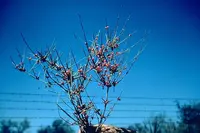
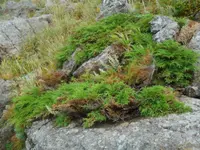
Clapweed, Ephedra antisyphilitica, is a small, shrubby desert plant with many thin, jointed green stems and very small, scale-like leaves. It forms low, rounded clumps that stay compact over time.
This species is native to arid regions of the southwestern United States and northern Mexico, where it grows on rocky, well-drained soils. It is highly drought tolerant and adapted to intense sun and poor, mineral soils.
Its slow growth, deep root system, and low water needs make it relatively easy to keep alive once established, but it dislikes heavy, wet substrates. Those conditions shape how to care for clapweed in cultivation, especially in climates with higher rainfall.

Care Difficulty
Easy Care

Light Preference
Full Sun

Water Requirements
Low Water

Temperature Preference
Warm Climate

Hardiness Zone
7–10

Soil Texture
Sandy, Loamy, Rocky

Soil pH
Neutral (7.0), Slightly alkaline (7.0–7.5)

Soil Drainage
Well-drained

Fertilization
Minimal (feed rarely)
Scan your plant to receive care tips personalized for your specific plant
Available on iOS and Android
Ephedra antisyphilitica is a desert shrub that performs best in strong, direct sun with minimal shade.
Ephedra antisyphilitica is highly drought-tolerant and prefers infrequent, deep watering once established.
This desert species thrives in heat but also withstands substantial cold when kept dry.
Humidity is not a significant factor for this desert shrub, which thrives in dry air.
This species prefers very lean, mineral, fast-draining soil that mimics desert conditions.
This species can adapt to container growing if the pot is prepared for its deep, drought-adapted root system.
Ephedra antisyphilitica is adapted to lean, sandy soils and needs only light, infrequent feeding in cultivation.
Ephedra antisyphilitica benefits from occasional light pruning to maintain a tidy, open form and remove stressed growth.
This desert shrub is usually grown in the ground, but container plants or nursery stock tolerate infrequent, careful transplanting.
Ephedra antisyphilitica is most often propagated from seed, with cuttings used less commonly due to slower, variable rooting.
This species is quite cold hardy in much of its range and generally needs minimal winter care once established in the ground.

Plant Health Check
Not sure what's wrong with your plant? Check your plant's health inside the app.
This shrub has distinctive bluish-green, jointed stems with tiny scale-like leaves so reduced that photosynthesis happens almost entirely in the stems, an adaptation to its very dry native habitats in northern Mexico and the southwestern US.
Unlike many desert shrubs that rely on insects, this species is primarily wind-pollinated, producing small, inconspicuous flowers that release lightweight pollen into the air.
Its fleshy, cone-like seed structures are eaten by small mammals and birds, and rodents often cache the seeds in buried food stores, which can later germinate and help new plants establish in harsh desert soils.

Historically, Indigenous peoples in the southwestern US used the woody stems of this plant to make simple tools and as fuel, taking advantage of its dense, slow-growing desert wood in areas where larger trees were scarce.
This species flowers best with strong light, mature age, and adequate seasonal rest. Young plants or those recently transplanted may not bloom for several years. Avoid heavy fertilization and ensure cool, dry winter conditions to support bud formation.
Keep your plants happy and healthy with plant identification, disease detection, and easy care guidance.