Install sturdy support
Set up a strong trellis or wire framework early, as branches become heavily armed and fruit-laden, making later installation difficult and risking damage to bark and roots.

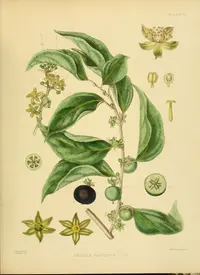
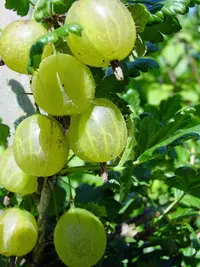
Ceylon gooseberry (Dovyalis hebecarpa) is an evergreen shrub or small tree grown for its sour, aromatic purple fruits and dense, often thorny branches. It forms a compact, bushy shape that can be trained as a hedge or small orchard tree in warm climates.
This species is native to Sri Lanka and southern India but is now cultivated in many tropical and subtropical regions. Its toughness, drought tolerance once established, and general pest resistance make it moderately easy to grow outdoors in suitable climates.
Those who want to learn how to care for Ceylon gooseberry should know it prefers full sun, well-drained soil, and moderate moisture, and it is not suited to cold or frost-prone areas.

Care Difficulty
Moderate Care

Light Preference
Full Sun

Water Requirements
Moderate Water

Temperature Preference
Warm Climate

Hardiness Zone
9–11

Soil Texture
Sandy, Loamy, Organic-rich

Soil pH
Acidic (5.5–6.5), Slightly acidic (6.5–7.0)

Soil Drainage
Well-drained

Fertilization
Minimal (feed rarely)
Scan your plant to receive care tips personalized for your specific plant
Available on iOS and Android
This sun-loving fruit shrub needs strong light to flower and fruit well.
This species prefers evenly moist but never waterlogged soil once established outdoors.
This subtropical shrub grows best in warm, frost-free conditions.
This species handles a wide range of humidity and rarely needs special humidity management.
Dovyalis hebecarpa prefers sharply drained, moderately fertile soil that does not stay wet after watering or rain.
This species can be grown in containers when given enough root volume and strong drainage.
This fruiting shrub responds well to moderate feeding during its active growing season.
Pruning Dovyalis hebecarpa manages size, encourages strong structure, and improves fruiting wood.
This species is usually grown in the ground, so focus on careful transplanting rather than frequent repotting.
Dovyalis hebecarpa is commonly propagated from seeds and semi-hardwood cuttings.
This shrub has moderate cold tolerance but benefits from simple winter protection in cooler regions.

Plant Health Check
Not sure what's wrong with your plant? Check your plant's health inside the app.
This species forms extremely dense, thorny thickets that have been used as living fences in tropical and subtropical regions to exclude livestock and human intruders without additional fencing materials.
The small purple fruits are notably sour but contain high levels of vitamin C and are often processed into jams, jellies, and juices rather than eaten fresh.
It has been used in breeding with related Dovyalis species to create hybrid fruit trees that combine improved flavor with the parent’s thorny, protective growth habit.

This species is functionally dioecious, meaning individual plants are typically either male or female, so fruit production in cultivation usually requires at least one male plant to pollinate the female plants.
Growth is moderate. Young plants can add about 30–60 cm per year under warm, frost-free conditions with adequate moisture and fertility. Growth slows as the shrub matures or if kept in a confined root space.
Keep your plants happy and healthy with plant identification, disease detection, and easy care guidance.