Quinine Conk Care (Laricifomes officinalis)

Also known as: Agarikon
Quinine Conk

About Quinine Conk

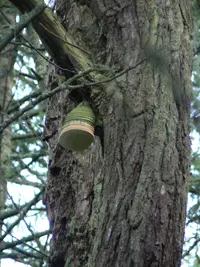
Quinine conk, Laricifomes officinalis, is a perennial wood-decay fungus rather than a leafy plant. It forms thick, hoof-shaped brackets on conifer trunks, especially larch. The surface is usually pale to yellowish, with a tough, corky texture. Inside, the flesh is strongly bitter, which inspired the common name. This species occurs mainly in montane and boreal forests of Europe and North America, where it slowly decomposes dead or weakened trees. In cultivation it is uncommon and better suited to advanced growers familiar with wood-inhabiting fungi. Successful attempts to care for Quinine Conk focus on providing cool conditions, stable moisture, and suitable conifer wood as a long-term substrate.

Main Plant Requirements

Care Difficulty

Hard Care

Light Preference

Partial Shade

Water Requirements

Moderate Water

Temperature Preference

Cold Hardy

Hardiness Zone

2–6

Soil Texture

Loamy, Rocky, Organic-rich

Soil pH

Acidic (5.5–6.5), Slightly acidic (6.5–7.0)

Soil Drainage

Well-drained

Fertilization

Minimal (feed rarely)

Get Personalized Care Plan

Scan your plant to receive care tips personalized for your specific plant

Available on iOS and Android

How to Care for the Quinine Conk

Laricifomes officinalis is a wood-decaying polypore that thrives on light-exposed but not intensely sun-baked trunks.

  • Target 2–5 hours of direct or lightly filtered sun per day, ideally morning sun with afternoon shade on south- or west-facing slopes or trunks.
  • This fungus tolerates partial shade under open conifer canopies, but deep, continuous shade can slow fruiting body development and reduce spore production.
  • Strong, exposed afternoon sun in hot summers can dry the host bark surface; in such sites Quinine Conk does better with some canopy cover or adjacent tree shade.

Laricifomes officinalis relies on moisture in the host wood and surrounding environment rather than direct watering.

  • In forests, stable ambient humidity and moderately moist, but not waterlogged, conifer wood support long-lasting conks; avoid sites with standing water around host roots.
  • Excess moisture and poor drainage in the soil can lead to anaerobic conditions in roots, which may destabilize host trees and indirectly shorten conk lifespan.
  • Extended drought is visible as brittle, cracked conks and dry, shrinking pore surfaces, indicating the host log or trunk has lost too much internal moisture for active growth.

This wood-inhabiting species is adapted to cool, mountainous climates with marked seasonal temperature swings.

  • Active growth is most reliable around 45–65°F (7–18°C), with fruiting bodies often forming or persisting longest in cool, moist seasons.
  • Laricifomes officinalis tolerates winter lows close to 5°F (-15°C) on hardy conifer hosts, especially when snow cover buffers rapid freeze–thaw cycles.
  • Prolonged heat above 80–85°F (27–29°C) combined with dry air can desiccate conks, so north-facing aspects or higher elevations reduce thermal stress over summer.

Humidity level is not a significant factor for this wood-decaying polypore fungus when grown on suitable host logs outdoors.

This species naturally colonizes conifer wood rather than mineral soil, so recreate decaying log conditions rather than preparing standard ground beds.

  • Use dense, untreated conifer logs or large chunks of larch or similar softwood as the primary substrate instead of soil.
  • Keep the wood moist but not constantly waterlogged so internal air spaces remain oxygenated and fungal tissues do not rot anaerobically.
  • Avoid burying the logs deeply in soil; partial contact with the ground is enough to conserve moisture while limiting suffocation.
  • For managed cultivation of Laricifomes officinalis, position logs on slightly raised, well-drained ground to prevent chronic saturation.

This fungus is generally unsuitable for traditional container growing, since it requires substantial woody material rather than potting mix.

Laricifomes officinalis usually grows on nutrient-poor, decaying conifer wood and rarely needs added fertilizer.

Pruning Laricifomes officinalis focuses on safety and host-tree health rather than shaping the fungus itself.

  • Carry out removal in late winter or during dry weather to reduce slipping hazards on ladders and tools.
  • Cut away only dead, crumbling, or hazardous brackets that obstruct paths or stress the host tree.
  • Use a clean, sharp pruning saw or chisel and disinfect tools before and after work to limit pathogen spread.
  • Avoid cutting deeply into living trunk tissue; focus on surface brackets and loose material.

This bracket fungus is normally not grown in containers; management centers on host-tree selection and site conditions rather than repotting.

  • Transplant only when moving infected logs or sections for study or controlled cultivation, not in ornamental landscapes.
  • Choose cool, shaded, well-ventilated forest-like sites and secure logs so they remain stable and moist but not waterlogged.
  • Handle colonized wood gently to avoid excessive shock or drying of the fungal mycelium inside the log.
  • After placement, water the surrounding soil or mulch lightly to stabilize humidity and then leave undisturbed.

Propagation of Laricifomes officinalis is specialized and usually handled by researchers or mushroom cultivators, not typical home growers.

This wood-decay fungus is naturally cold hardy in boreal and montane forests and needs no special winter protection.

Care Tips

Host tree selection

Choose only dead or recently felled conifer logs, ideally old-growth larch or similar resinous species, since this fungus is a heart-rot specialist and establishes poorly on small, dry, or already decomposed wood.

Log positioning

Place inoculated logs off bare soil on stones, bricks, or a raised rack to slow wood decay from soil microbes and maintain a more stable moisture regime around the developing conks.

Moisture buffering

Mulch lightly around, but not directly against, the log with coarse wood chips or bark to buffer moisture and reduce rapid drying, avoiding fine mulch that can stay soggy and promote competing molds.

Competition management

Regularly remove shelf fungi and obvious soft-rot competitors from the same log using a clean knife or chisel so Laricifomes officinalis can occupy the resource without being overrun by faster-growing species.

Sanitation and tools

Disinfect drill bits, plug hammers, and knives with isopropyl alcohol before working on new logs to reduce transfer of contaminant fungi and improve success when growing Quinine Conk from spawn plugs or dowels.

Common Pests and Diseases

Competing wood-decay fungi

This disease involves other wood-decay fungi colonizing the same conifer host and outcompeting existing fruiting bodies. Symptoms include fading, misshapen, or partially overgrown conks and reduced production of new brackets.

Solution

Remove and discard heavily overgrown or decomposed conks to reduce competition surfaces, and harvest only firm, actively growing brackets. In cultivation on logs, use fresh, clean conifer wood, avoid wounding logs unnecessarily, and keep them in a shaded, well-ventilated area to favor established Laricifomes officinalis mycelium over competitors.

Bark beetle damage

These insects tunnel in the bark and sapwood of conifers and can alter moisture dynamics in wood where conks develop. Symptoms include small round exit holes, boring dust, and locally dried or cracked wood around attachment zones.

Solution

When cultivating on logs, select beetle-free wood with intact bark and avoid storing logs near piles of infested firewood. If activity is noticed, move logs to a cooler, shaded, drier but well-ventilated location, remove heavily damaged sections, and maintain moderate moisture so the host wood does not become overly stressed or desiccated.

Wood-boring larvae

This pest group includes larvae of certain beetles and moths that tunnel through dead or decaying conifer wood and occasionally through the base of conks. Symptoms include galleries inside the log, fragile structural wood, frass (fine sawdust), and sometimes hollowed bases of fruiting bodies.

Solution

Cut away and discard badly tunneled sections of substrate and any conks with extensive internal damage. Store culture logs off the ground, with good airflow and limited direct light, and use physical barriers such as fine mesh or netting around stacks during peak insect activity to reduce egg-laying on the wood.

Mollusk grazing

This pest involves slugs and snails feeding on the soft edges and pore surface of young brackets. Symptoms include irregular bite marks, ragged margins, and slime trails on or near the fruiting bodies.

Solution

Hand-remove slugs and snails during damp periods, and keep the immediate area around cultivation logs free of dense groundcover that shelters mollusks. Barriers such as copper tape on stands or rough, dry mulch rings combined with drier surface conditions around the base help limit grazing pressure without affecting the fungus directly.

Interesting Facts

Historic quinine substitute

This conk was historically dried, ground, and used as a bitter tonic and malaria remedy when true cinchona quinine was unavailable, especially in parts of Europe.

Specialist larch parasite

The fungus is almost strictly confined to larch trees in nature, causing a brown heart rot that hollows trunks from the inside while the tree may still appear relatively healthy.

Strongly bitter chemistry

Its context tissue contains intensely bitter triterpenoid compounds, which give the fruiting body a lasting quinine-like taste that persists even after boiling or drying.

Botan icon

Did you know?

Some very old fruiting bodies of this species can persist on larch trunks for more than a decade, adding new growth layers each year and forming large, hoof-shaped structures that document the fungus’s age much like annual rings in wood.

FAQs about Quinine Conk

The flesh is technically edible but extremely bitter and woody, so it is not eaten as food. Historically it was used in folk medicine and as a quinine substitute, but modern internal use is not recommended without professional guidance.

Grow Healthy Plants with Botan Care

Keep your plants happy and healthy with plant identification, disease detection, and easy care guidance.

Botan plant care app — identify plants on mobile

Explore More Plants