Woolly Milkcap Care (Lactarius torminosus)

Woolly Milkcap

About Woolly Milkcap

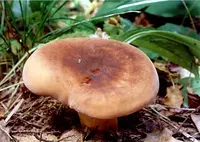
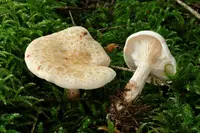
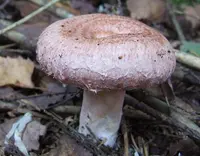
Lactarius torminosus, commonly called woolly milkcap, is a wild ectomycorrhizal mushroom that forms close partnerships with birch trees. It produces pink to peach caps with a hairy, rolled edge and concentric rings, plus white milk that turns slowly yellowish on exposure.

This species is widespread in northern Europe, North America, and similar cool climates, usually appearing in mossy or grassy ground in birch woodland. It is not a typical home cultivation species, and attempts to care for Woolly Milkcap are challenging because it depends on living tree roots and specific soil microorganisms.

It generally favors cool conditions, moist but not waterlogged soil, and light, acidic woodland substrates rather than standard potting mixes or garden beds.

Main Plant Requirements

Care Difficulty

Hard Care

Light Preference

Partial Shade

Water Requirements

Regular Water

Temperature Preference

Cool Climate

Hardiness Zone

3–7

Soil Texture

Sandy, Loamy, Organic-rich

Soil pH

Strongly acidic (4.5–5.5), Acidic (5.5–6.5)

Soil Drainage

Moist but well-drained

Fertilization

Minimal (feed rarely)

Get Personalized Care Plan

Scan your plant to receive care tips personalized for your specific plant

Available on iOS and Android

How to Care for the Woolly Milkcap

This ectomycorrhizal mushroom prefers cool, filtered forest light rather than direct, open sun.

  • Site Lactarius torminosus under birch or similar host trees where it receives 2–4 hours of soft morning sun and bright dappled shade the rest of the day.
  • Avoid strong midday and afternoon sun, which can dry the upper soil layer quickly and slow fruiting; a light tree canopy or shrub cover is ideal.
  • In summer, prioritize partial shade; in early spring and autumn, slightly more open light is acceptable as long as the soil does not bake or crack.

This species relies on consistently moist, not waterlogged, soil in association with its host tree roots.

  • Aim for soil that stays evenly moist to 5–8 cm depth; allow the surface 1–2 cm to start to dry before the next deep soak if supplemental watering is needed.
  • Use loose, well-drained, humus-rich soil so excess water can drain away; standing water or sour, anaerobic patches indicate poor conditions for Lactarius torminosus.
  • In hot, dry periods, watch for shrinking or leathery caps as a sign of insufficient moisture, and for a sour smell or slimy, collapsing caps as a sign of overwatering or waterlogged soil.

This fungus fruits best in cool to mild conditions typical of late summer to autumn woodlands.

  • Optimal fruiting usually occurs around 50–65°F (10–18°C), with mycelium growth tolerating a broader cool range in the soil.
  • The organism can survive short dips near 25–28°F (-4 to -2°C) in the soil, but repeated hard freezes can damage young developing fruiting bodies.
  • Extended heat above 77–82°F (25–28°C) combined with dry soil reduces fruiting; partial shade and mulch help buffer temperature swings between seasons.

Humidity is not a primary factor for Lactarius torminosus, which develops outdoors in natural forest conditions.

Lactarius torminosus forms mycorrhiza with birch, so soil preparation must support both tree roots and fungal growth.

  • Use a loose, humus-rich, slightly sandy loam that mimics birch woodland leaf litter and allows easy gas exchange.
  • Ensure drainage is free but not extreme, so the substrate stays evenly moist without becoming waterlogged or drying into hard clods.
  • Aim for slightly acidic conditions, typically pH 4.5–6.0, which favor both birch roots and the symbiotic fungal mycelium.
  • Incorporate well-rotted leaf mold and a small amount of sharp sand rather than heavy composts that compact and reduce aeration.

This species is not suitable for typical container growing because it relies on a stable mycorrhizal partnership with birch roots in undisturbed soil.

This ectomycorrhizal fungus relies mainly on its host tree and usually needs no direct fertilization.

Lactarius torminosus fruiting bodies do not need true pruning, but occasional cleanup supports hygiene and spore spread.

  • Remove decayed or insect-infested mushrooms using clean hands or a small knife to limit disease spread.
  • Cut or twist mushrooms at the base without disturbing surrounding soil or tree roots.
  • Clear heavy leaf litter only if it smothers emerging mushrooms, preserving the natural forest floor structure.

This species is rarely grown in pots; care focuses on transplanting compatible host trees and preserving fungal habitat.

  • Transplant only young host trees already colonized in native soil; avoid disturbing established forest patches.
  • Plan moves in cool, moist seasons such as early spring or fall to limit stress on roots and fungal mycelium.
  • Keep original soil tightly around the root ball, minimizing shaking or washing that could remove mycorrhizal threads.
  • Water host trees thoroughly after transplanting and maintain even moisture until renewed growth is stable.

Propagation of this mushroom is specialized and not typically practical for home growers.

This fungus is naturally cold hardy in its native range and usually needs no special winter care.

Care Tips

Host tree matching

Establish this mycorrhizal fungus only with suitable hosts such as birch on acidic, low-fertility soils, and avoid mixing in heavy phosphorus fertilizers that can disrupt the symbiosis and reduce fruiting.

Minimal ground disturbance

Limit raking, digging, or rototilling within the root zone of host trees, since disturbance of the fine roots and fungal mycelium can sharply reduce future mushroom production.

Leaf litter management

Maintain a thin, continuous layer of natural leaf litter from the host tree, removing only thick, matted layers so the soil stays cool and moist while still allowing the mycelium to breathe.

Moisture buffering mulch

Use a light layer of pine needles or partially decomposed wood chips rather than fresh hardwood chips to buffer moisture around host roots without creating overly rich, bacterial-dominated soil.

Fruiting season checks

During the main fruiting season, inspect the site after steady rain and cool nights, marking productive spots with discreet tags so future monitoring and caring for Woolly Milkcap can focus on proven mycelium patches.

Common Pests and Diseases

Mycophagous slugs

This pest feeds directly on the mushroom caps and gills, leaving irregular holes and surface grazing on fruiting bodies. Symptoms include slime trails on and around mushrooms and damaged or missing tissue, especially in damp conditions.

Solution

Hand-pick slugs during cool, moist periods, use physical barriers such as copper tape or coarse grit around the fruiting zone, and reduce dense ground cover that shelters them. In outdoor cultivation beds, beer traps or iron phosphate slug baits placed away from the main mycelial area can reduce populations without heavily disturbing the fungal habitat.

Fungus gnat larvae

These insects develop in moist, organic substrates and can tunnel through developing mycelium and young fruiting bodies. Symptoms include weak, malformed mushrooms, small surface holes, and visible tiny white larvae in the substrate or at the base of fruiting bodies.

Solution

Allow the surface of the substrate to dry slightly between waterings, improve drainage, and avoid waterlogging. Sticky traps for adults and a top dressing of coarse sand or fine gravel can break the life cycle, while targeted biological controls such as Bacillus thuringiensis israelensis (Bti) in irrigation water help suppress larvae without harming the mycelium.

Parasitic Hypomyces fungus

This disease occurs when a parasitic ascomycete fungus colonizes developing Lactarius fruiting bodies, causing distortion, discoloration, and a dense, crust-like overgrowth. Symptoms include loss of the normal cap surface, reduced spore production, and eventual decay of infected mushrooms.

Solution

Promptly remove and destroy parasitized mushrooms, including any obviously colonized substrate around their base, to limit spread. Avoid injuring developing fruiting bodies, maintain good spacing and airflow in cultivation areas, and rotate or rest heavily affected patches to minimize inoculum build-up while continuing normal Lactarius torminosus care instructions in unaffected zones.

Sap beetle damage

These insects are attracted to mature or damaged mushrooms and feed on caps and gills, often introducing secondary decay organisms. Symptoms include small feeding pits, clusters of tiny dark beetles on older fruiting bodies, and rapid softening and rotting of affected mushrooms.

Solution

Harvest fruiting bodies promptly at the desired stage and remove over-mature or damaged mushrooms so they do not attract beetles. Use fine mesh covers over small cultivation beds, clean away decaying organic debris, and, if needed, place baited traps a short distance from the main patch to draw beetles away from the Lactarius crop.

Interesting Facts

Acrid, burning latex

When its gills are damaged, this mushroom exudes a white to slightly pinkish latex that tastes sharply acrid and can cause a strong burning sensation in the mouth if eaten raw.

Birch specialist fungus

It forms an ectomycorrhizal partnership with birch trees, exchanging mineral nutrients and water from the soil for sugars produced by the tree, and is therefore found almost exclusively in birch woods or near individual birch trees.

Zoned woolly cap

The cap surface is densely hairy to woolly, especially near the margin, and shows distinct pinkish to salmon concentric zones, a combination of traits that helps separate it from many other milkcaps in the field.

Botan icon

Did you know?

In some northern European regions, especially parts of Russia and Finland, this otherwise inedible or mildly toxic species is traditionally eaten only after thorough processing, such as prolonged soaking and repeated boiling, to remove its acrid compounds before pickling or salting.

FAQs about Woolly Milkcap

This mushroom is considered inedible or mildly toxic when raw due to irritating compounds that can cause stomach upset. In some traditions it is eaten only after thorough parboiling, but consumption is generally discouraged for casual foragers.

Grow Healthy Plants with Botan Care

Keep your plants happy and healthy with plant identification, disease detection, and easy care guidance.

Botan plant care app — identify plants on mobile

Explore More Plants