Cep Care (Boletus edulis)

Also known as: King Bolete, Penny Bun, Porcini
Cep

About Cep

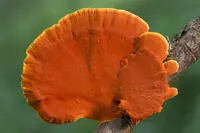
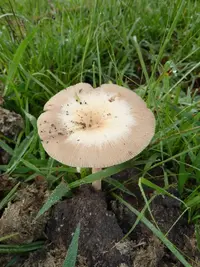
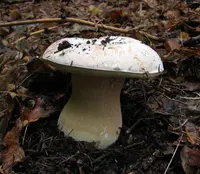
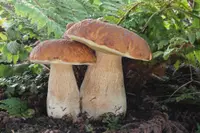
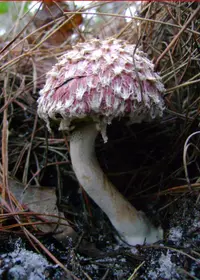
Cep, or Boletus edulis, is a highly valued edible mushroom, not a green plant. It forms a fleshy cap on a thick, pale stem and grows from soil, often under trees. The cap is usually brown and smooth, while the underside has pores instead of gills.

This species naturally occurs in forests across Europe, North America, and parts of Asia, forming mycorrhizal partnerships with tree roots. These close root relationships make it challenging to cultivate at home, so most people forage it rather than care for Cep indoors. It favors well-drained, undisturbed soils, consistent moisture, and locations with suitable host trees.

Main Plant Requirements

Care Difficulty

Hard Care

Light Preference

Partial Shade

Water Requirements

Keep Soil Moist

Temperature Preference

Cool Climate

Hardiness Zone

3–8

Soil Texture

Loamy, Sandy, Organic-rich

Soil pH

Acidic (5.5–6.5), Slightly acidic (6.5–7.0)

Soil Drainage

Moist but well-drained

Fertilization

Minimal (feed rarely)

Get Personalized Care Plan

Scan your plant to receive care tips personalized for your specific plant

Available on iOS and Android

How to Care for the Cep

Boletus edulis prefers light conditions similar to a mixed forest floor rather than open field sun.

  • Provide dappled or filtered light with brief morning sun, aiming for 2–4 hours of direct light and bright shade the rest of the day.
  • Avoid strong midday and afternoon sun, which can overheat the soil and dry the upper fungal habitat, reducing Cep fruiting.
  • Site it under deciduous trees so summer shade protects the mycelium, while increased autumn light through thinning foliage supports mushroom production.

Boletus edulis depends on consistently moist but not saturated soil around its tree partners.

  • Aim for soil that stays evenly moist in the top 5–8 cm, allowing the surface to lose gloss and feel just slightly damp before watering or expecting rainfall.
  • Favor deep, infrequent soaking that moistens 15–20 cm down, then allow partial drying; avoid puddling or standing water, which indicates poor drainage and risk of rot.
  • Reduce added water in cool, rainy seasons and increase during hot, dry spells; signs of stress include hard, cracked soil (too dry) or sour, swampy smell (overwet).

This species develops best in cool to mild conditions rather than prolonged heat.

  • Aim for an active growth range of 55–68°F (13–20°C), which supports mycelium activity and reliable fruiting in many temperate forests.
  • Tolerate short drops near 32°F (0°C), but protect the habitat from deep, repeated freezes without snow cover, which can damage surface mycelium.
  • Limit exposure to temperatures above 77–82°F (25–28°C); in hot summers, rely on canopy shade, leaf litter, and soil moisture to buffer heat around the fungal zone.

This mycorrhizal mushroom relies more on stable soil moisture than on precise air humidity, so ambient humidity is usually not a major cultivation factor.

This ectomycorrhizal fungus needs a host tree and porous, undisturbed ground rather than a conventional potting bed.

  • Prefers loose, well-aerated sandy or loamy soil with 10–30% organic matter from leaf litter or forest humus.
  • Requires free-draining structure that never stays waterlogged but retains moderate, even moisture around tree roots.
  • Thrives in slightly acidic soil, typically pH 5.0–6.5, similar to many coniferous or mixed woodland floors.
  • To mimic natural conditions, incorporate leaf mold, fine bark, and a little coarse sand into the top 5–10 cm under suitable host trees for Boletus edulis.

This species is not suitable for true container growing, as it depends on long-term mycorrhizal association with tree roots in open ground.

Boletus edulis is a forest ectomycorrhizal fungus that usually needs minimal fertilization when grown near suitable host trees.

  • Use light applications of well-rotted leaf mold or compost around host tree roots instead of high-salt synthetic fertilizers.
  • If using a balanced NPK product, choose a mild, slow-release formula and apply at 1/2 strength to avoid damaging fine roots and fungal mycelium.
  • Feed only once in early spring and once in mid-summer during active growth to support Cep without overstimulating surrounding vegetation.
  • Avoid feeding in late fall and winter, as the fungus is less active and excess nutrients can leach or disrupt soil biology.

Boletus edulis does not require true pruning, but some hygiene practices help maintain a healthy fruiting area.

  • During the main fruiting season, cut mushrooms at the base with a clean knife rather than pulling to limit disturbance of the underground mycelium.
  • Remove decaying or insect-infested fruiting bodies promptly to reduce pest buildup and disease spores in the patch.
  • Clear only light surface debris that smothers the soil, but keep a natural leaf-litter layer that supports moisture and fungal growth.
  • Avoid trimming or damaging host tree roots and fine feeder roots, as these form the essential mycorrhizal partnership.

This species is rarely grown in containers; management focuses on establishing and maintaining outdoor mycorrhizal sites rather than classic repotting.

  • Transplant only when the host tree seedling outgrows its pot, indicated by roots circling the container or very slow top growth.
  • Best timing is early spring or early fall, when temperatures are mild and soil moisture is stable, to reduce stress on roots and fungal mycelium.
  • Move the seedling with the entire root ball intact, keeping surrounding soil undisturbed to preserve Boletus edulis inoculum.
  • Water gently after transplanting, shade for a few days if sun is strong, and avoid heavy fertilization while the symbiosis re-establishes.

Establishing new Boletus edulis sites is challenging and usually done by spore-based methods or by moving inoculated host trees.

  • Use mature caps to create a spore slurry in non-chlorinated water and pour around roots of suitable young host trees in late summer or early fall.
  • Maintain moist, well-drained, slightly acidic soil and a stable leaf-litter layer, as spores need consistent humidity to germinate and colonize roots.
  • Alternatively, plant nursery seedlings pre-inoculated with Boletus edulis, which often gives more reliable long-term mycorrhizal formation.

In most temperate climates Boletus edulis is naturally cold hardy and needs little targeted winter care.

  • Allow above-ground mushrooms to die back; the important mycelium remains protected in the soil and associated tree roots.
  • Maintain a 5–8 cm layer of natural leaf litter or light mulch to stabilize soil temperature and moisture over winter.
  • Container-grown host trees with inoculum should be moved to a sheltered, frost-free but cool spot if roots are exposed to severe freezing.

Care Tips

Host tree selection

Establish colonies only under compatible mature hosts such as spruce, pine, fir, beech, or oak, and avoid planting on sites recently disturbed, compacted, or without an existing woodland canopy.

Minimal soil disturbance

Once inoculated, do not dig, till, or heavily rake the soil around host trees; instead, leave leaf litter and fine roots intact to protect the mycelium network that produces fruiting bodies.

Leaf litter management

Maintain a loose layer of mixed hardwood leaf litter or conifer needles 2–5 cm deep, topping it up each autumn so the fungal mycelium stays protected and does not dry out at the surface.

Targeted harvest technique

Twist or gently rock each mushroom at the base rather than cutting high on the stem, then backfill the small hole with leaf litter to reduce desiccation and contamination of the remaining mycelium.

Site sanitation routine

Remove and discard worm-ridden, moldy, or overmature fruiting bodies away from the production area, which helps lower local spore loads of competitors and pests and supports more sustainable long-term growing Cep.

Common Pests and Diseases

Mycophagous maggots

This pest consists of fly larvae that tunnel through young and mature fruiting bodies, leaving galleries filled with frass and soft, discolored tissue. Symptoms include spongy stems, hollow caps, and accelerated decay of the mushroom.

Solution

Harvest mushrooms as soon as caps expand, before heavy egg-laying occurs, and discard fruiting bodies that are heavily infested. For outdoor patches, use fine insect netting over the fruiting area during peak fly season and remove nearby decaying mushrooms promptly to reduce breeding sites when trying to grow Boletus edulis.

Slug and snail feeding

These pests rasp away at caps and stems, creating irregular holes, mucus trails, and rapid cosmetic damage to fruiting bodies. Symptoms include chewed margins on caps and missing sections of soft tissue, often overnight.

Solution

Hand-pick slugs and snails in the evening or early morning and use physical barriers such as copper tape or sharp grit around the fruiting area. Limit moist hiding spots by clearing dense ground litter right around the mushrooms and, if needed, apply iron phosphate slug baits placed away from the immediate harvest zone.

Hypomyces infection

This disease is caused by parasitic fungi such as Hypomyces chrysospermus that overgrow boletus fruiting bodies with a white, yellow, or brownish crust. Symptoms include distorted caps, loss of pore structure, and a felt-like or powdery coating that eventually covers the entire mushroom.

Solution

Promptly remove and discard any infected mushrooms, including adjacent small buttons, to reduce spore spread in the patch. Avoid handling healthy and infected fruiting bodies with the same tools or containers and reduce prolonged, excessive surface moisture by maintaining good air movement at the forest floor or cultivation site.

Bacterial soft rot

This disease causes water-soaked, slimy areas on caps and stems that quickly turn brown and emit an unpleasant odor. Symptoms include collapse of tissues, sticky surfaces, and rapid disintegration of the fruiting body, especially in warm, wet conditions.

Solution

Harvest only firm, dry fruiting bodies and avoid damaging them during handling, since wounds favor bacterial entry. In cultivation patches, improve drainage and air circulation, avoid overhead watering directly on mushrooms, and remove any rotting material immediately to reduce local bacterial load.

Interesting Facts

Specialist tree partner

This species forms an ectomycorrhizal partnership with certain trees, especially spruce, pine, fir, and some hardwoods, exchanging mineral nutrients from the soil for sugars from the host tree roots.

Widespread but selective

Although it occurs across much of Europe, Asia, and North America, it only fruits where suitable host trees, soil conditions, and climate coincide, which is why it can be abundant in one forest and absent in a nearby one.

Low heavy-metal uptake

Compared with some other wild mushrooms, this species is known to accumulate relatively low levels of toxic heavy metals, which is one reason it is often considered safer to collect from non-polluted forests.

Botan icon

Did you know?

The species was formally described by Carl Linnaeus in 1753 and later transferred to the genus Boletus, making it one of the earliest scientifically documented edible mushrooms and a long-standing reference species in European mycology.

FAQs about Cep

This species is a well-known edible mushroom, prized for its firm texture and nutty flavor. It must be correctly identified, cooked before eating, and collected from unpolluted areas to avoid contamination with heavy metals or road pollutants.

Grow Healthy Plants with Botan Care

Keep your plants happy and healthy with plant identification, disease detection, and easy care guidance.

Botan plant care app — identify plants on mobile

Explore More Plants