Bolbitius coprophilus Care

Bolbitius coprophilus

About Bolbitius coprophilus

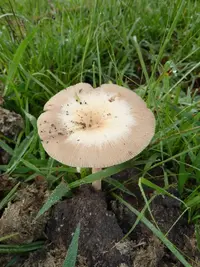
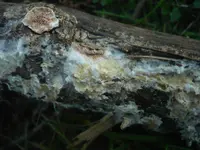
Bolbitius coprophilus is a small, short-lived mushroom rather than a leafy houseplant. It produces thin, fragile yellow to honey-colored caps that quickly expand and fade, often becoming almost transparent. This fungus typically appears in nutrient-rich, dung-based substrates, compost, or heavily manured garden beds after rain or watering.

Its fast, ephemeral growth means it often appears and disappears within a single day. Because it is a saprophyte, it feeds on decaying organic matter and does not form a traditional root system. Gardeners who want to understand how to care for Bolbitius coprophilus mainly need to manage moisture and organic material, rather than treat it as a conventional ornamental plant.


Main Plant Requirements

Care Difficulty

Moderate Care

Light Preference

Partial Shade

Water Requirements

Keep Soil Moist

Temperature Preference

Warm Climate

Hardiness Zone

Unknown

Soil Texture

Loamy, Silty, Organic-rich

Soil pH

Slightly acidic (6.5–7.0), Neutral (7.0)

Soil Drainage

Moist but well-drained

Fertilization

Minimal (feed rarely)

Get Personalized Care Plan

Scan your plant to receive care tips personalized for your specific plant

Available on iOS and Android

How to Care for the Bolbitius coprophilus

This short-lived mushroom prefers moist, open sites with mild sun exposure rather than deep shade or harsh sun.

  • Provide 2–4 hours of gentle morning sun or bright, filtered light; avoid intense midday sun that can dry the substrate too fast and shorten cap life.
  • It tolerates light dappled shade, but very dense shade reduces fruiting frequency and leads to smaller, paler caps of Bolbitius coprophilus.
  • In summer, protect from prolonged direct sun and drying winds; in cooler seasons, slightly more direct light is acceptable as long as the substrate stays evenly moist.

This fungus relies on consistently moist, nutrient-rich organic material rather than a strict watering schedule.

  • Maintain the substrate evenly moist, not waterlogged; on manured beds or compost, moisture should feel damp 2–5 cm below the surface when pinheads start forming.
  • Increase watering or irrigation frequency in hot, dry weather so the substrate never fully dries; dry, cracked surfaces sharply reduce fruiting and cause caps to collapse quickly.
  • Reduce extra watering in cool, rainy periods to prevent standing water, foul odors, or slimy patches that signal poor drainage and risk rotting the underlying organic layer.

This species fruits best in mild to warm conditions with a clear preference for frost-free weather.

  • Optimal fruiting occurs around 60–77°F (16–25°C), where moisture and microbial activity in the substrate support rapid mushroom development.
  • It tolerates brief cool dips to about 40°F (4°C), but hard frost below 32°F (0°C) kills existing fruiting bodies and can stop new flushes.
  • In hot spells above 86°F (30°C), fruiting becomes sporadic unless moisture is very high and the substrate is shaded to keep surface temperatures lower.

Humidity is not a key factor for Bolbitius coprophilus, which appears briefly on already moist substrates after rain or watering.

This fungus develops best on very moist, nutrient-rich, decomposing organic material rather than traditional garden soil.

  • Encourage fruiting on dung, heavily manured beds, or compost-rich heaps that stay consistently moist but not flooded.
  • Use a loose, crumbly organic substrate with visible fibrous material so air can reach the developing mycelium.
  • Keep the substrate slightly acidic to neutral, around pH 6.0–7.0, avoiding highly alkaline or salty conditions.
  • Improve drainage and aeration by mixing coarse composted bark, straw pieces, or shredded leaves into dense manured material.

This species can be grown in containers if the goal is to observe temporary fruiting on a managed, nutrient-rich substrate.

  • Use a deep, heavy container to anchor the wet, organic substrate and prevent tipping when it is fully saturated.
  • Drill or confirm generous side and base drainage so excess leachate can escape without waterlogging the lower substrate layers.
  • Place the container on blocks or a mesh stand to keep drainage openings clear and maintain consistent air flow around the base.

This coprophilous fungus usually grows on nutrient-rich dung and does not benefit from added fertilizer in cultivation.

Bolbitius coprophilus does not require true pruning, only simple removal of spent fruiting bodies for hygiene and spore control.

  • Snip or pinch off collapsed or decaying caps at the base to reduce mess and limit uncontrolled spore spread.
  • Remove any obviously moldy or slimy mushrooms promptly to lower the risk of secondary fungal issues nearby.
  • Use clean scissors or gloved hands, then discard removed material in the trash rather than composting.

In gardens or containers, this fungus appears where organic matter and dung are present, so management focuses on substrate rather than repotting.

  • Expect fruiting where manure or very rich compost is mixed into soil or potting media, especially in warm, wet weather.
  • To reduce future flushes, remove or replace heavily manured substrate, gently disturbing the top 2–3 in of soil to dry it out faster.
  • Transplanting host plants is possible at any mild season, but the fungus itself is not meaningfully transplanted, as it follows nutrient-rich waste.
  • Minimize root stress to nearby plants by watering after soil changes and working carefully around established root systems.

New clusters arise naturally from spores, so intentional propagation of this fungus is rarely practiced outside research settings.

This species is short-lived and highly seasonal, so no specific winter care is required for the fungus itself.

  • Fruiting typically stops in cold conditions, and remaining mushrooms quickly decay into the soil.
  • If appearance is a concern, remove old fruiting bodies before persistent freezes to keep beds tidy.
  • Container plants that hosted mushrooms can stay outdoors according to their own hardiness; the fungus will reappear only if conditions suit it again.

Care Tips

Use manure substrate

Prepare a cultivation tray with well-rotted horse or cow manure mixed with a little straw or spent mushroom compost, since this saprobic fungus fruits best on nutrient-rich dung-based substrates rather than standard potting soil.

Control wetting cycles

Trigger fruiting by keeping the manure substrate evenly moist but not saturated, then allowing a short, slight dry-down between waterings to mimic natural rainfall and drying cycles on pasture.

Provide spore source

To establish a new colony, crumble a few mature caps over fresh manure, gently press them onto the surface, and keep the tray humid so spores can germinate without being washed away.

Manage short lifespan

Plan to observe and photograph fruiting bodies soon after they appear, since caps often collapse within hours, and focus long-term expectations on maintaining the mycelium in the substrate rather than on persistent mushrooms when growing Bolbitius coprophilus.

Limit handling disturbance

Place trays or outdoor patches where foot traffic, pets, and frequent container movement are minimal, because repeated disturbance compacts the substrate and damages mycelium, reducing future flushes.

Common Pests and Diseases

Fungus gnat larvae

This pest commonly colonizes very wet, manure-rich substrates where the fungus grows and the larvae can feed on both decaying matter and young fungal tissues. Symptoms include thinning or collapse of new fruiting bodies and visible small black gnats hovering near the substrate surface.

Solution

Reduce constant wetness by allowing the substrate surface to dry slightly between misting or watering, and remove heavily decomposed organic layers that stay soggy. Use yellow sticky traps to reduce adult gnats and, if needed, apply a biological control such as Bacillus thuringiensis israelensis (Bti) as a soil drench according to label directions.

Mite feeding

These insects, often soil or mushroom-associated mites, can graze on developing caps and gills, leading to deformed, pitted, or prematurely collapsing mushrooms. Symptoms include tiny moving specks on the substrate or caps and patchy damage on young fruiting bodies.

Solution

Discard heavily infested substrate and avoid reusing contaminated manure or straw. For mild issues, improve hygiene by removing spent clusters promptly, keeping the growing area clean and well ventilated, and storing any nearby organic materials (compost, manure, straw) off the ground and covered to limit mite buildup.

Bacterial blotch

This disease causes slimy, discolored spots on caps, especially under conditions of high humidity and poor air movement. Symptoms include greasy yellow to brown patches and rapid softening of affected tissue.

Solution

Limit overhead watering and avoid prolonged surface wetness on caps by using finer misting and shorter intervals. Increase airflow around the fruiting area, immediately remove and discard affected mushrooms, and clean any tools or containers that contact the blotched tissue to reduce bacterial spread.

Green Trichoderma mold

This disease appears as dense white fungal growth that quickly turns bright green on the substrate, competing aggressively with the mushroom mycelium. Symptoms include stalled or patchy colonization of the manure and few or no new fruiting bodies in affected zones.

Solution

Physically remove and discard any portions of the substrate showing green sporulation and avoid disturbing spores into clean areas. Reduce contamination by pasteurizing or properly aging manure before use, maintaining good airflow without strong drafts that blow dust, and spacing cultures so that a heavily contaminated batch does not sit next to healthy ones.

Competing Coprinus species

These fungi readily colonize the same nutrient-rich, dung-based habitats and can overrun or displace the desired mushroom. Symptoms include different, usually ink-cap type mushrooms emerging in clusters where the target fungus was expected, often followed by black, inky spore masses as they autodigest.

Solution

Remove competing mushrooms as soon as they appear, including as much of the underlying mycelium-laden substrate as possible. Improve substrate preparation by using well-composted manure, avoiding over-fertilization, and maintaining slightly drier, more stable moisture conditions that favor growing Bolbitius coprophilus over fast, aggressive competitors.

Interesting Facts

Dung-specialist habitat

This fungus typically fruits on herbivore dung, manure-enriched soil, and heavily fertilized lawns, reflecting its specialization as a coprophilous, or dung-loving, decomposer.

Extremely short lifespan

Individual caps often appear, expand, and begin to collapse within a few hours, making it one of the more short-lived macrofungi commonly observed after rain.

Rapid color change

Caps start a vivid yellow to yellow-orange and quickly fade to a pale straw color as the thin flesh loses moisture and the spore-producing tissues mature.

Botan icon

Did you know?

The gills of this species turn from pale to cinnamon-brown as spores develop, and the resulting brown spore print is a key diagnostic feature that helps separate it from look-alike yellow lawn mushrooms in field identification.

FAQs about Bolbitius coprophilus

This mushroom is generally considered inedible and is sometimes listed as possibly poisonous. Identification can be difficult, and similar species may be harmful. For safety, it should not be collected or eaten.

Grow Healthy Plants with Botan Care

Keep your plants happy and healthy with plant identification, disease detection, and easy care guidance.

Botan plant care app — identify plants on mobile

Explore More Plants