oval-leaf blueberry Care (Vaccinium ovalifolium)

Also known as: Oval-leaved blueberry, Alaska blueberry, early blueberry
oval-leaf blueberry

About oval-leaf blueberry

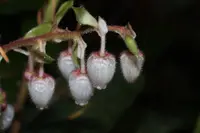
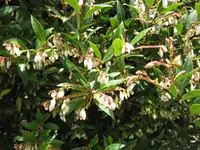
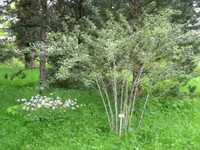
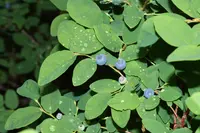
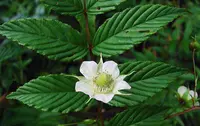
Oval-leaf blueberry (Vaccinium ovalifolium) is a deciduous shrub native to cool, moist forests and open slopes in the Pacific Northwest and parts of Alaska. It naturally forms low to medium-height thickets with upright, fine branches and small, oval leaves. In spring it produces pale, bell-shaped flowers, followed by edible blue to bluish-black berries valued by wildlife and people. This species prefers cool summers, acidic, well-drained but moist soil, and consistent moisture, which influences how to care for oval-leaf blueberry in gardens. Its hardiness and low nutrient demands make it moderately easy to grow in suitable climates, but it dislikes hot, dry conditions and alkaline soils.

Main Plant Requirements

Care Difficulty

Moderate Care

Light Preference

Partial Sun

Water Requirements

Regular Water

Temperature Preference

Cold Hardy

Hardiness Zone

3–8

Soil Texture

Sandy, Loamy, Peaty

Soil pH

Strongly acidic (4.5–5.5), Acidic (5.5–6.5)

Soil Drainage

Moist but well-drained

Fertilization

Minimal (feed rarely)

Get Personalized Care Plan

Scan your plant to receive care tips personalized for your specific plant

Available on iOS and Android

How to Care for the oval-leaf blueberry

This shrub prefers cool, bright conditions with protection from intense midday sun.

  • Provide 4–6 hours of direct morning sun with light afternoon shade; dappled light under open trees suits oval-leaf blueberry well.
  • In hotter areas, avoid strong sun from 12–4 p.m. to reduce leaf scorch and dry soil stress.
  • In cooler or coastal climates, it tolerates near full sun, but growth slows and fruiting drops if light falls below about 3–4 hours daily.

This species prefers consistently moist, acidic, well-drained soil without long drying or waterlogging.

  • Water when the top 2–4 cm of soil feels slightly dry, aiming for evenly damp but never saturated conditions around the root zone.
  • Increase watering frequency during hot, windy periods or fruiting; reduce in cool, rainy seasons while relying more on natural precipitation.
  • Signs of overwatering include yellowing leaves and soft stems, while drooping, curled leaves and dry crumbly soil suggest Vaccinium ovalifolium needs more moisture.

This cold-hardy shrub thrives in cool summer climates with significant winter chill.

  • Active growth is best at 55–70°F (13–21°C), with flowers and fruit developing well in these mild conditions.
  • Mature plants tolerate winter lows to about 0°F (−18°C), and dormant wood can survive brief colder spells under snow cover.
  • Heat above 80–85°F (27–29°C) can slow growth and stress the plant, so mulch the root zone and avoid reflected heat during hot spells.

This shrub prefers moderately moist air but usually adapts to typical outdoor humidity levels.

  • Aim for 50–70% humidity in sheltered sites, similar to cool, coastal or woodland conditions.
  • Dry, hot air can cause leaf edge browning and faster wilting, especially in containers.
  • Increase local humidity with mulch over the root zone and by grouping plants near other shrubs, avoiding overhead misting that keeps foliage wet.

Vaccinium ovalifolium needs consistently moist, acidic, well-aerated soil to grow and fruit reliably.

  • Use a loose, sandy to loamy mix rich in organic matter that holds moisture but does not become compacted.
  • Maintain acidic conditions at pH 4.5–5.5 by using ericaceous compost, peat or peat-free acidic alternatives, and avoiding lime.
  • Improve drainage and aeration by blending in pine bark fines and a small amount of perlite, especially in heavier native soils.
  • Avoid clay-heavy, waterlogged, or high-pH ground, which restricts root function and leads to nutrient deficiency and dieback.

This species can be grown in containers when moisture, acidity, and root space are carefully managed.

  • Choose a deep, sturdy pot at least 35–45 cm wide to support the woody root system and above-ground branching.
  • Use a thick, stable mulch layer on top of the potting mix to slow evaporation and protect roots from temperature swings.
  • Place containers where wind exposure is limited so the shrub does not rock in the pot and stress the fine roots.

This native shrub needs only modest feeding when grown in poor or depleted soils, so fertilization should be light and targeted.

  • Use an acid-forming fertilizer or composted pine bark rather than a high-lime product for oval-leaf blueberry.
  • Apply a balanced, slow-release fertilizer at half strength once in early spring and again in late spring if growth or fruiting is weak.
  • Avoid feeding in late summer and reduce or stop entirely in fall and winter to prevent soft, frost-sensitive growth.
  • Water thoroughly after feeding and keep fertilizer off stems and trunk to reduce burn risk.

Pruning supports healthy structure and good fruiting in Vaccinium ovalifolium without requiring heavy intervention.

  • Carry out main pruning in late winter to very early spring, before bud break.
  • Remove dead, diseased, damaged, or crossing stems first, using sharp, clean bypass pruners.
  • Thin out a few of the oldest, thickest stems at the base to encourage new, productive shoots and maintain an open shape.
  • Avoid cutting tips of young shoots heavily, since flower buds often form near the ends of 1–2-year-old wood.

This species is usually grown in the ground, so focus on careful transplanting rather than frequent repotting.

  • Transplant young shrubs in early spring or early fall, when temperatures are mild and soil is moist but not waterlogged.
  • Look for signs like poor vigor, root circling, or a pot-bound root ball before moving container-grown plants.
  • Shift to a slightly larger container or planting hole with acidic, well-drained soil, keeping the root flare at original depth.
  • Loosen circling roots gently, water thoroughly after planting, and shade for a few days to reduce transplant shock.

Vaccinium ovalifolium is most commonly propagated from cuttings to maintain desirable fruiting traits.

  • Take semi-hardwood cuttings in mid to late summer, 8–12 cm long, from healthy, non-flowering shoots.
  • Use a free-draining, acidic rooting medium such as a mix of peat and perlite, and insert cuttings with 2–3 nodes buried.
  • Apply rooting hormone to the cut base, then keep humidity high and temperatures around 65–75°F with bright, indirect light.
  • Seed propagation is possible but slower; stratify seeds cold for several months before sowing in acidic mix.

This shrub is cold hardy in much of its native range and generally needs only minimal winter care.

  • Tolerates freezing conditions, but young plants benefit from extra attention in their first 1–2 winters.
  • Apply a 5–8 cm layer of organic mulch around the root zone in late fall, keeping it slightly away from stems.
  • In very exposed or windy sites, use a breathable barrier to reduce desiccation of stems, especially on new plantings.
  • Move container-grown plants into a sheltered, unheated but frost-free or less windy position to limit root freezing.

Care Tips

Mulch For Roots

Apply a 5–8 cm layer of pine bark or wood chip mulch over the root zone each spring, keeping it 5 cm away from the stems, to stabilize soil moisture and temperature and protect the plant’s shallow roots.

Encourage Cross-Pollination

Plant at least 2–3 compatible blueberry varieties within 3–5 m and avoid heavy pesticide use during bloom so bees and other pollinators can increase fruit set and yield.

Bird Protection Netting

Install fine, flexible bird netting over a simple frame before berries begin to turn blue to prevent bird damage without stressing branches.

Snow And Wind Support

In exposed sites, use low, sturdy stakes and soft ties to gently secure main stems before winter so heavy snow and strong winds do not split or uproot the shrub.

Post-Harvest Rejuvenation

After the main harvest, remove 1–3 of the oldest, woodiest stems at the base to maintain a steady supply of young, fruitful canes and support long-term success when caring for oval-leaf blueberry.

Common Pests and Diseases

Blueberry maggot

This pest attacks the fruit, causing berries to soften, collapse, and sometimes show tiny white maggots inside. Symptoms include premature fruit drop and uneven ripening on affected bushes.

Solution

Monitor fruit from early summer with yellow sticky traps or purpose-made blueberry maggot traps and remove and destroy any infested berries. In home landscapes, thorough post-harvest cleanup, bagging fallen fruit, and, if needed, targeted use of spinosad-based sprays timed to adult fly activity can significantly reduce populations.

Blueberry gall midge

This pest damages young shoots and flower buds, leading to distorted, blackened, or blighted new growth that may fail to open or fall off. Symptoms include clusters of small larvae hidden inside damaged buds in spring or early summer.

Solution

Prune out and destroy blighted shoot tips and damaged buds as soon as they are noticed to remove larvae before they mature. Encourage good air movement and avoid heavy late-summer nitrogen that stimulates very soft growth, and in areas with repeated problems consider using fine-mesh covers over young plants during peak adult activity to reduce egg-laying on new shoots.

Mummy berry

This disease infects young shoots and flowers, causing wilted, scorched-looking leaves and later producing shriveled, pale gray fruits that resemble small mummified berries. Symptoms include early-season leaf and shoot blight followed by hard, dry berries that drop to the soil surface.

Solution

Rake up and discard mummified berries from under bushes in fall and early spring to reduce the source of spores. Mulch with a fresh 5–8 cm layer of bark or wood chips each year to bury remaining mummies, and prune to open the canopy for better drying; in high-pressure areas, fungicide sprays timed to early shoot growth and bloom may be needed following local extension guidance.

Botrytis blossom blight

This disease affects flowers and young shoots in cool, wet weather, causing brown, water-soaked blossoms that turn gray and fuzzy as spores develop. Symptoms include poor fruit set and clusters of dead flowers that remain attached to the twigs.

Solution

Improve airflow by thinning dense branches and avoid overhead irrigation during bloom so flowers dry quickly. Remove and discard dead blossoms and blighted shoot tips, and in consistently wet, cool spring climates growers may use targeted bloom-time fungicides according to local recommendations as part of broader Vaccinium ovalifolium care instructions.

Blueberry leaf rust

This disease produces yellow spots on the upper leaf surface and orange to rust-colored pustules on the undersides, leading to premature leaf drop later in the season. Symptoms include thinning foliage and reduced vigor when infections are heavy.

Solution

Remove and discard infected fallen leaves in autumn to break the disease cycle and avoid planting known alternate host plants, such as certain heaths, very close to blueberry rows. Maintain good spacing and pruning for air movement, irrigate at soil level rather than overhead, and in regions where rust is common, consider resistant Vaccinium types when establishing new plantings nearby.

Interesting Facts

Arctic-alpine specialist

Oval-leaf blueberry is naturally adapted to cold, harsh conditions and is common in subalpine and coastal tundra from Alaska to northern California and into eastern Siberia, often forming low mats on exposed, rocky sites.

Key wildlife food source

Its berries are an important seasonal food for bears, birds, and small mammals in boreal and subalpine ecosystems, supporting wildlife nutrition during short northern growing seasons.

Color-shifting foliage

The leaves are typically bluish green in summer but can turn vivid red or orange in autumn, especially in open, sunny, higher-elevation habitats.

Botan icon

Did you know?

In some coastal and high-latitude regions, this species can form extensive blueberry heaths, where it dominates the low shrub layer and creates a distinct plant community that influences soil chemistry, snow retention, and microhabitat conditions for many other organisms.

FAQs about oval-leaf blueberry

The berries are edible and are traditionally eaten fresh, cooked, or preserved. They are rich in antioxidants and vitamin C. Only consume ripe, blue fruits and avoid eating foliage or unripe green berries.

Grow Healthy Plants with Botan Care

Keep your plants happy and healthy with plant identification, disease detection, and easy care guidance.

Botan plant care app — identify plants on mobile

Explore More Plants