salal Care (Gaultheria shallon)

Also known as: shallon
salal

About salal

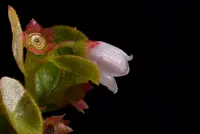
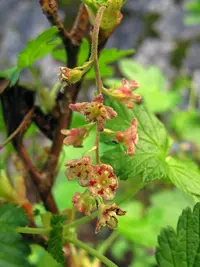
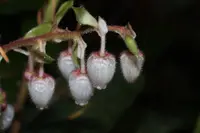
Salal, Gaultheria shallon, is an evergreen shrub native to the coastal forests of western North America. It forms dense thickets with leathery, oval leaves and small, urn-shaped white to pink flowers. Later, it produces dark purple berries that are eaten by wildlife and sometimes used for preserves.

This shrub is adapted to cool, humid, forested conditions and often grows under conifers. It is generally robust and tolerant of shade, wind, and salty air, which makes it useful for naturalistic gardens and erosion control.

Salal prefers acidic, humus-rich, moist but well-drained soil, and consistent moisture in its root zone. Its resilience and low maintenance needs make it relatively straightforward to care for salal in suitable climates.

Main Plant Requirements

Care Difficulty

Moderate Care

Light Preference

Partial Shade

Water Requirements

Regular Water

Temperature Preference

Cold Hardy

Hardiness Zone

6–8

Soil Texture

Loamy, Peaty, Organic-rich

Soil pH

Strongly acidic (4.5–5.5), Acidic (5.5–6.5)

Soil Drainage

Moist but well-drained

Fertilization

Minimal (feed rarely)

Get Personalized Care Plan

Scan your plant to receive care tips personalized for your specific plant

Available on iOS and Android

How to Care for the salal

This shade-tolerant evergreen shrub prefers cool, filtered light conditions similar to coastal woodland edges.

  • Provide bright dappled shade or 2–4 hours of gentle morning sun, avoiding harsh afternoon sun that can scorch leaves and dry soil too quickly.
  • Salal tolerates deep shade but may produce fewer flowers and berries; aim for partial shade with shifting light under trees for best growth.
  • In hotter regions, increase shade, especially in summer, using overhead canopy or north/east exposure to reduce leaf scorch and moisture loss.

This plant prefers consistently moist but not saturated soil, especially during its establishment phase.

  • Water when the top 3–5 cm of soil feels dry, soaking the root zone thoroughly, then allow excess moisture to drain away.
  • During hot or windy weather, monitor more often; drooping or curling leaves suggest drought stress, while yellowing and soft stems can indicate overwatering or poor drainage.
  • Gaultheria shallon responds best in humus-rich, well-drained soil; mulch 5–8 cm deep to stabilize moisture and reduce watering frequency.

This coastal woodland shrub is adapted to cool, mild climates with limited temperature extremes.

  • Optimal growth occurs around 50–70°F (10–21°C), with steady moisture and shelter from drying winds.
  • Plants tolerate cold down to about 10–15°F (-12 to -9°C) once established, but young specimens benefit from mulch and protection during severe freezes.
  • In summer, growth slows above 80°F (27°C); provide shade, mulch, and consistent soil moisture to prevent heat stress and leaf scorch.

This species prefers consistently moist air similar to coastal woodland conditions.

  • Aim for 50–70% humidity, as very dry indoor air can slow growth and cause leaf edges to brown on salal.
  • Watch for crisping leaf tips, rolling margins, and stalled new growth as signs of humidity stress rather than underwatering.
  • Increase humidity outdoors by planting near other shrubs, and indoors by using a pebble tray or grouping plants instead of misting frequently.

Gaultheria shallon grows best in cool, moist, well-aerated substrates with high organic content.

  • Use a loose, humus-rich mix such as 50% composted bark or leaf mold, 30% loam, and 20% coarse sand or perlite for structure and drainage.
  • Keep drainage moderate to fast; the mix should stay evenly moist but never waterlogged, which encourages root rot.
  • Target a slightly acidic pH around 5.0–6.0, avoiding lime or alkaline amendments that can cause chlorosis and weak growth.
  • Improve aeration on heavy sites by raising the planting area and blending in fine bark chips and coarse sand, avoiding compacted or clay-dominant soils.

This species can be grown in containers if moisture and root space are carefully managed.

  • Choose a deep, wide container to accommodate its creeping root system and allow lateral spread without crowding.
  • Select a thick-walled pot (wood, heavy plastic, or glazed ceramic) to buffer rapid drying and temperature swings in sun or wind.
  • Elevate the container on pot feet so drainage holes stay clear and excess water can escape quickly after rain or irrigation, preventing chronic saturation at the base.

This slow-growing native shrub needs only light, occasional feeding to support healthy foliage and berry production.

  • On poor soils, apply a thin layer of compost or well-rotted leaf mold around the root zone in early spring.
  • If growth is weak, use a balanced slow-release fertilizer (around 10-10-10) at half label rate once in spring.
  • Avoid high-nitrogen lawn fertilizers, which can produce soft, pest-prone growth in salal.
  • Do not feed in late summer or winter, as out-of-season nutrients can stimulate tender growth vulnerable to cold.

Gaultheria shallon benefits from light, periodic pruning to maintain density and encourage fresh shoots.

  • Carry out structural pruning in late winter or very early spring before new growth starts.
  • Remove dead, diseased, or crossing stems at the base using clean, sharp hand pruners.
  • Thin congested areas by cutting some older stems to ground level to let in light and air.
  • Tip back overly long shoots after flowering to control spread while preserving next year’s buds.

This shrub is usually grown in the ground; transplanting is more common than container repotting.

  • Transplant in early spring or early fall when soil is moist and temperatures are mild.
  • Look for signs like slow growth, bare centers, or roots circling a pot if grown in containers.
  • Lift with a wide root ball, keep roots shaded and moist, and replant at the same depth in acidic, well-drained soil.
  • Water thoroughly after planting, then keep evenly moist for several weeks to reduce transplant shock and support root re-establishment.

Gaultheria shallon is most reliably propagated by division or semi-ripe stem cuttings.

  • In late spring to summer, take semi-ripe cuttings 7–10 cm long from non-flowering shoots and remove lower leaves.
  • Insert cuttings in a moist, acidic, free-draining mix under high humidity and bright, indirect light until rooted.
  • In early spring, lift and divide rooted suckers or rhizomes, replanting sections with several healthy shoots.
  • Seed propagation is slow; use fresh seed, cold stratify, and provide consistently moist, acidic soil for germination.

This evergreen shrub is cold hardy in much of its range and usually needs minimal winter care outdoors.

  • In climates colder than its normal hardiness, apply a 5–8 cm mulch of bark or leaf mold around the root zone.
  • Avoid waterlogged soil in winter, as saturated conditions increase root rot risk.
  • For container plants in cold regions, move pots to a sheltered, unheated but frost-free spot or insulate the container.

Care Tips

Mulch For Moisture

Apply a 5–8 cm layer of coarse bark or leaf mold around the root zone to keep the shallow roots cool, conserve moisture, and suppress weeds without letting mulch touch the stems.

Encourage Bushy Growth

Pinch or lightly clip back the tips of vigorous shoots in late spring to stimulate side-branching and create a denser, more wind-resistant thicket over time.

Understory Planting Strategy

Site plants beneath open, high tree canopies or beside taller shrubs to mimic natural woodland shade and protect foliage from drying winds and strong afternoon sun.

Berry Production Boost

Plant at least 3–5 genetically different plants in a loose group to support better cross-pollination and more reliable berry set, especially in landscapes with few native pollinators.

Long-Term Groundcover Management

Edge around planting beds once or twice a year with a sharp spade to control stolon spread, keeping salal within its intended area while still allowing it to form a durable groundcover carpet for those growing salal.

Common Pests and Diseases

Leaf spot

This disease causes small brown to dark-purple spots that may merge into larger blotches, sometimes with a pale center, leading to premature leaf drop in damp conditions.

Solution

Remove and discard heavily spotted leaves, avoid overhead watering, and thin surrounding vegetation to improve airflow around the foliage; in repeatedly wet climates, a copper-based fungicide can be applied in early spring as a preventative according to label directions.

Rust

This disease produces orange to rust-colored pustules on the undersides of leaves, which can cause yellowing and early leaf drop in shaded, moist sites.

Solution

Prune out and dispose of infected leaves and stems, reduce shade where possible, and space plants to improve air circulation; in severe or recurrent cases, use a labeled rust-control fungicide starting at first visible symptoms and repeat as directed.

Scale insects

These insects appear as small, rounded or oval bumps on stems and leaf midribs, sucking sap and causing leaf yellowing, reduced vigor, and sticky honeydew on nearby surfaces.

Solution

Wipe or gently scrub stems with a cloth or soft brush dipped in soapy water, prune out heavily infested twigs, and apply horticultural oil during the growing season to smother remaining scale, ensuring thorough coverage of stems and leaf bases as part of Gaultheria shallon care.

Vine weevils

This pest causes irregular notches along leaf edges from adult feeding, while the larvae feed on roots, leading to poor growth and possible plant decline in containers or loose soils.

Solution

Inspect leaves at night and hand-pick adults, use sticky traps or barrier bands around containers, and, where larval damage is suspected, apply beneficial nematodes to the soil in spring or late summer following product instructions to reduce the root-feeding stage.

Powdery mildew

This disease forms a white to gray powdery coating on upper leaf surfaces, which can lead to distortion, reduced photosynthesis, and premature leaf drop, especially in shaded or crowded plantings.

Solution

Improve light and air movement by pruning nearby plants, avoid overhead watering and late-day leaf wetting, and treat early infections with a labeled sulfur or potassium bicarbonate product, making sure to cover both upper and lower leaf surfaces thoroughly.

Interesting Facts

Coastal understory architect

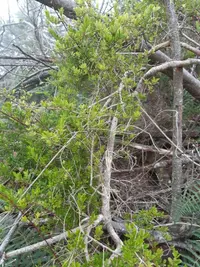
This evergreen shrub forms dense thickets in Pacific Northwest coastal forests, where its overlapping leaves and extensive rhizomes create a shaded understory that strongly reduces light and space for competing plants.

Rhizome-driven expansion

It spreads mainly through long, creeping rhizomes rather than seed, allowing single clones to occupy large areas and quickly recolonize disturbed forest floors after logging or fire.

Specialist pollinator visitors

Its urn-shaped white to pink flowers are adapted for pollination by bumblebees and other long-tongued bees, which can access the nectar inside the narrow floral opening that excludes many less efficient pollinators.

Botan icon

Did you know?

This species is a key foliage crop for the global floral industry, with wild-harvested salal stems from Pacific Northwest forests shipped worldwide as long-lasting, glossy greenery in cut flower arrangements.

FAQs about salal

This species spreads slowly to moderately by rhizomes and self-seeding, forming colonies over time. It is not usually considered invasive, but in ideal conditions it can gradually occupy open ground if not occasionally thinned.

Grow Healthy Plants with Botan Care

Keep your plants happy and healthy with plant identification, disease detection, and easy care guidance.

Botan plant care app — identify plants on mobile

Explore More Plants