Provide climbing support
Install a slim trellis or horizontal wires early so stems can be tied loosely with soft ties, which keeps the plant upright, improves light exposure on all sides, and reduces breakage in wind.

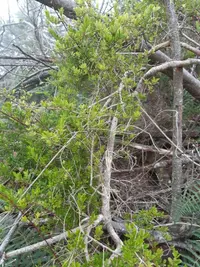
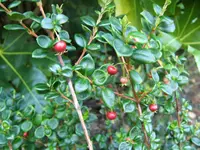
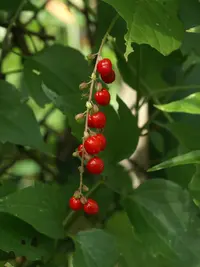
Embelia angustifolia is a slender, woody climber or shrub, usually with thin, twining stems and small, narrow leaves. In suitable conditions it can form a light, scrambling curtain of foliage. Small, often inconspicuous flowers may be followed by decorative berries, depending on the form and local conditions. It is native to tropical and subtropical Asia, where it typically grows in forest edges and thickets with filtered light. This forest origin means it prefers consistent moisture, good drainage, and protection from harsh, direct sun. These traits make it moderate in difficulty to grow, especially for those who first learn how to care for Embelia angustifolia.

Care Difficulty
Moderate Care

Light Preference
Partial Shade

Water Requirements
Moderate Water

Temperature Preference
Warm Climate

Hardiness Zone
Unknown

Soil Texture
Loamy, Sandy, Organic-rich

Soil pH
Acidic (5.5–6.5)

Soil Drainage
Well-drained

Fertilization
Minimal (feed rarely)
Scan your plant to receive care tips personalized for your specific plant
Available on iOS and Android
This species prefers bright, gentle light similar to an understory forest edge.
This shrub favors consistently moist but not saturated soil.
This plant grows best in mild, frost‑free conditions.
This species prefers moderately moist air but adapts to many home conditions if extremes are avoided.
Embelia angustifolia grows best in light, well-aerated soil that drains quickly yet holds some moisture.
This species is suitable for container growing when the pot supports its twining, somewhat spreading habit.
This shrub grows reasonably well in lean soil but benefits from light, balanced feeding in containers or poor ground.
Pruning is mainly used to maintain a tidy outline and remove weak growth on Embelia angustifolia.
This species is more often grown in the ground, so focus on careful transplanting and only occasional repotting in containers.
Propagation of Embelia angustifolia is usually done by semi-ripe cuttings or seeds when material is available.
This shrub is moderately cold hardy but young or container-grown plants benefit from simple winter protection.

Plant Health Check
Not sure what's wrong with your plant? Check your plant's health inside the app.
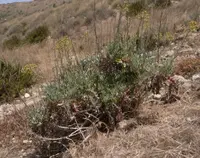
This species is native to tropical and subtropical forests of South and Southeast Asia, where it typically grows as a woody climber or straggling shrub in the shaded understory rather than in open, exposed sites.
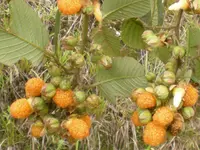
After flowering, it produces small spherical fruits that turn bright red to orange-red when ripe, which makes the plant conspicuous to birds that disperse its seeds in the wild.
The long, slender stems often twine through surrounding vegetation, allowing the plant to climb and reach better light without investing in a thick, self-supporting trunk.
Yellowing leaves usually indicate root stress from excess moisture, poor drainage, or compacted soil, sometimes combined with low light or nutrient imbalance. Check the root zone, improve drainage, remove soggy soil, and prune the most affected foliage.
Keep your plants happy and healthy with plant identification, disease detection, and easy care guidance.