Use Soil Mulch
Apply a 5–8 cm layer of pine needles, conifer bark, or other acidic mulch around the root zone to keep the shallow roots cool, suppress weeds, and maintain a stable soil pH over time.

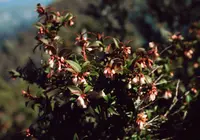
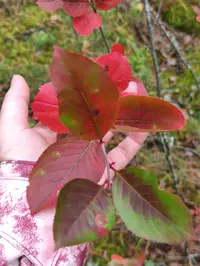
Evergreen huckleberry (Vaccinium ovatum) is a compact, long-lived shrub native to the Pacific Northwest, from coastal California to British Columbia. It typically forms dense, bushy clumps with small, glossy dark green leaves that can develop bronzy or reddish tones in cooler weather.
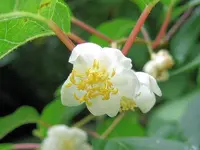
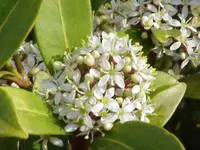
In spring, it produces small, urn-shaped white to pink flowers, followed by dark purple berries that attract birds and are edible for people. The plant grows slowly, which makes it easier to manage in smaller gardens and naturalistic plantings.
Evergreen huckleberry prefers acidic, well-drained soil, regular moisture, and light ranging from partial shade to full sun in cooler climates. These traits influence how to care for evergreen huckleberry in home landscapes.

Care Difficulty
Moderate Care

Light Preference
Partial Shade

Water Requirements
Moderate Water

Temperature Preference
Cold Hardy

Hardiness Zone
7–9

Soil Texture
Sandy, Loamy, Organic-rich

Soil pH
Strongly acidic (4.5–5.5), Acidic (5.5–6.5)

Soil Drainage
Moist but well-drained

Fertilization
Minimal (feed rarely)
Scan your plant to receive care tips personalized for your specific plant
Available on iOS and Android
This species prefers bright, cool conditions that mimic open woodland edges.
This shrub likes steadily moist but not saturated soil, especially during establishment.
This coastal shrub is adapted to mild, cool-temperate conditions with moderate seasonal variation.
This shrub prefers moderately moist air but generally tolerates typical outdoor humidity in its range.
This species needs acidic, well-drained but moisture-retentive soil to thrive.
This species is suitable for container growing outdoors when provided with a deep, stable pot.
Vaccinium ovatum benefits from light, soil-building feeding rather than heavy fertilizer use.
Vaccinium ovatum responds well to thoughtful pruning that maintains a dense, fruiting shrub.
This species is usually grown in the ground, so focus on careful transplanting or occasional pot ups for container plants.
Vaccinium ovatum is most commonly propagated from semi-hardwood cuttings, with seeds also possible but slower.
This shrub is cold hardy in much of its range and usually needs minimal winter care.

Plant Health Check
Not sure what's wrong with your plant? Check your plant's health inside the app.
This species naturally forms dense, glossy hedges in the cool, bright shade of Pacific Northwest coastal forests and can thrive under conifers where many fruiting shrubs fail.
It fruits later than many other native berries, often holding ripe, nearly black berries into late summer and fall, extending a key food source for birds and small mammals.
Young leaves often flush bronze to reddish due to anthocyanin pigments, which are thought to protect the foliage from excess light and cold while it hardens off.
Evergreen huckleberry has a naturally compact, slow-growing habit and can live for many decades, allowing old coastal stands to form stable, long-lasting shrub layers that structure the forest understory over time.
The berries are edible and widely considered good for fresh eating, jams, and baking. The leaves are not typically consumed. Only harvest from plants grown away from roadsides, pesticides, or contaminated soils, and rinse fruit before use.
Keep your plants happy and healthy with plant identification, disease detection, and easy care guidance.