Cipadessa Care (Cipadessa baccifera)

Cipadessa

About Cipadessa

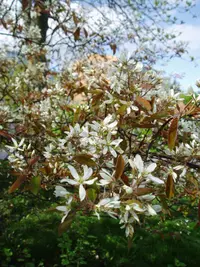
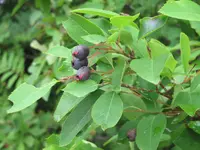
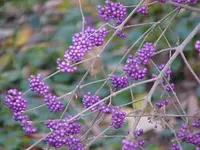
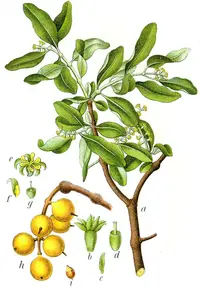
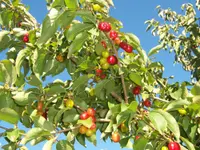
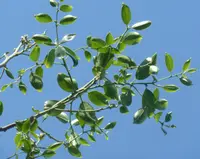
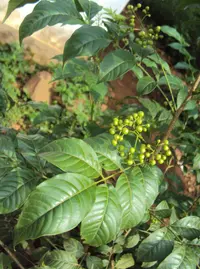
Cipadessa baccifera is a small evergreen shrub to subshrub from the mahogany family, usually found in scrubby or open woodland habitats in South and Southeast Asia. It forms many slender, branching stems with fine, divided foliage and small clusters of white to cream flowers followed by tiny berries.

In cultivation it is mainly of interest to collectors and botanical gardens rather than casual houseplant growers. It prefers warm conditions, moderate moisture, and well-drained soil, which makes it more suitable for frost-free outdoor sites or protected structures. Those who want to learn how to care for Cipadessa should first ensure they can match its need for stable warmth and good light.

Main Plant Requirements

Care Difficulty

Moderate Care

Light Preference

Full Sun

Water Requirements

Moderate Water

Temperature Preference

Tropical / Frost Sensitive

Hardiness Zone

10–11

Soil Texture

Sandy, Loamy, Organic-rich

Soil pH

Acidic (5.5–6.5), Slightly acidic (6.5–7.0)

Soil Drainage

Well-drained

Fertilization

Minimal (feed rarely)

Get Personalized Care Plan

Scan your plant to receive care tips personalized for your specific plant

Available on iOS and Android

How to Care for the Cipadessa

This shrub prefers bright, gentle sun with some protection from the harshest midday rays.

  • Provide 4–6 hours of direct morning sun with light shade or filtered light after midday to reduce leaf scorch risk.
  • Allow light partial shade in hotter regions; Cipadessa can tolerate dappled shade but flowers and fruit best with some direct sun.
  • In summer, protect from intense afternoon sun using taller plants or a light shade cloth; in winter, maximize exposure by avoiding deep shade.

Watering should keep the soil slightly moist but never waterlogged for healthy root development.

  • Before watering, check that the top 3–5 cm of soil has dried; then water slowly until the root zone is evenly moistened.
  • In warm growing seasons, expect to water more often, while in cooler months reduce frequency so the soil surface dries between waterings.
  • Yellowing, soft leaves and a sour smell indicate overwatering and poor drainage; dull, drooping leaves and dry, hard soil signal underwatering.

Stable warm conditions support strong growth and flowering for this species.

  • Aim for 68–86°F (20–30°C) for active growth; mild, consistently warm climates suit this shrub best.
  • Protect from cold below about 41°F (5°C); light, brief chills may be tolerated, but repeated exposure slows growth and increases stress.
  • Avoid frost, as freezing can damage young shoots and leaves; in extreme heat above 95°F (35°C), provide extra shade and soil moisture management to limit stress.

This shrub prefers moderate air moisture and usually tolerates typical household humidity.

  • Aim for 40–60% humidity, as very dry air over long periods can slow growth and cause marginal leaf browning.
  • Watch for curled, crisp leaf edges and premature leaf drop as signs of humidity stress during heated indoor winters or hot winds outdoors.
  • Increase humidity locally by grouping plants, placing the pot above (not in) a pebble tray with water, or sheltering from drying vents and drafts.

This species prefers a well-aerated, free-draining mineral-organic mix that does not stay wet for long.

  • Use a loamy mix with 40–60% inorganic material, such as coarse sand or fine grit, combined with compost or well-rotted leaf mold.
  • Ensure rapid drainage so water passes through in seconds; avoid compacted, sticky, or waterlogged substrates that promote root rot.
  • Aim for slightly acidic to neutral pH around 6.0–7.0, avoiding highly alkaline soils that can reduce nutrient availability and cause chlorosis.
  • For Cipadessa baccifera, improve aeration by blending in perlite or pumice rather than relying only on peat-based bagged mixes.

This shrub can be grown successfully in containers when the pot supports its woody root system and branching canopy.

  • Choose a deep, weighty container to counterbalance the shrub’s woody top growth and reduce tipping in wind or on balconies.
  • Select a pot material with moderate moisture retention, such as thick-walled terracotta or composite, to prevent rapid drying of the root zone.
  • Elevate the pot slightly on feet or blocks so drainage holes remain clear, ensuring excess water leaves the container quickly after heavy rain or irrigation.

This shrub grows in modest soils but responds well to light feeding during active growth.

  • Apply a balanced 10-10-10 or 14-14-14 fertilizer at half strength every 4–6 weeks in spring–summer for healthy Cipadessa growth.
  • Use slow-release granules scratched into the top 2–3 cm of soil for container plants, then water thoroughly.
  • In the ground, supplement poor soils once in spring with a thin layer of compost around the root zone.
  • Stop feeding in late fall and through winter to avoid forcing soft, cold-sensitive growth.

Pruning Cipadessa baccifera helps maintain a compact shape and supports healthy branching.

  • Carry out main pruning in late winter or early spring before strong new growth starts.
  • Remove dead, diseased, or crossing branches with clean, sharp bypass pruners to improve light and air movement.
  • Shorten overly long shoots to maintain size and encourage denser side branching.
  • Avoid cutting into very old, thick wood unless removing clearly damaged or poorly placed stems.

This species is more often grown in the ground, but young plants and nursery stock may need occasional transplanting.

  • Transplant in late winter or early spring when growth is just starting, choosing a mild, overcast day if possible.
  • Look for circling roots, very slow growth, or soil that dries out extremely fast as signs a container plant needs a larger pot.
  • Move up only 1 pot size, loosen circling roots gently, and plant at the same soil level to limit stress.
  • Water thoroughly after transplanting, then keep soil evenly moist and shade from strong sun for 7–10 days while roots recover.

Cipadessa baccifera is most often propagated from seed, with cuttings used where stock plants are available.

  • Collect ripe berries, clean off pulp, and sow fresh seed in a well-drained mix kept slightly moist at 70–80°F.
  • Provide bright, indirect light and patience, as germination may be slow and uneven.
  • Take semi-ripe stem cuttings in late spring–summer, using 8–10 cm pieces with several nodes.
  • Dip cut bases in rooting hormone, place in a sterile, moist, free-draining medium, and maintain high humidity until rooted.

This shrub is only lightly frost tolerant and needs some protection in areas with cold winters.

  • In climates below about 30°F, grow in containers and move plants indoors or into a frost-free greenhouse for winter.
  • For in-ground plants in marginal climates, apply a 5–8 cm mulch layer around the root zone, keeping it away from the stem.
  • Shelter from cold, drying winds and avoid winter pruning that exposes tender internal wood.

Care Tips

Wind-firm training

In windy sites, pinch back soft shoot tips and lightly prune long, whippy branches at the start of the growing season so the plant develops a lower, bushier framework that resists storm damage.

Targeted pest scouting

Inspect the undersides of leaves and young stems every 1–2 weeks during warm months, focusing on new growth where scale insects and mites tend to establish first, and treat early with horticultural soap or oil if pests are found.

Root-zone mulching

Apply a 5–8 cm layer of coarse organic mulch around, but not touching, the stem to keep the root zone cooler, reduce evaporation, and buffer moisture swings during hot spells.

Salt stress management

In coastal or roadside plantings, periodically flush the soil with a deep, slow watering to leach out accumulated salts that can burn leaf edges and reduce vigor.

Container rejuvenation

For container specimens, root prune and refresh 30–40% of the potting mix every 2–3 years to maintain good drainage and oxygen around the roots, which supports long-term growing Cipadessa.

Common Pests and Diseases

Leaf-chewing caterpillars

This pest often feeds on young Cipadessa leaves, leaving irregular holes and ragged edges. Symptoms include rapid defoliation on tender shoots, especially in warm, wet periods.

Solution

Hand-pick caterpillars where practical and prune heavily damaged shoot tips. For heavier infestations, use a targeted biological control such as Bacillus thuringiensis (Bt) on the foliage and encourage natural predators by avoiding broad-spectrum insecticides.

Sap-sucking scale

These insects attach to stems and leaf midribs, appearing as small, fixed bumps that excrete sticky honeydew. Symptoms include sooty mold growth on leaves, yellowing, and general decline in vigor.

Solution

Wipe stems and leaves with a cloth or cotton pad dipped in dilute soapy water or 70% isopropyl alcohol to remove scales and honeydew. For persistent problems, apply a horticultural oil spray to thoroughly coat stems and leaf undersides, repeating according to label directions while improving light and airflow to reduce humidity around the plant.

Leaf spot

This disease causes small water-soaked lesions that turn brown or tan with darker edges on the leaf surface. Symptoms include premature yellowing and drop of the most affected leaves, often after periods of overhead watering or prolonged rain.

Solution

Remove and dispose of affected leaves and avoid wetting the foliage by watering at soil level. Improve spacing and airflow, and if needed apply a copper-based or other labeled ornamental fungicide at the first signs of spotting, following instructions carefully as part of broader Cipadessa baccifera care.

Interesting Facts

Meliaceae family outlier

This shrub belongs to the mahogany family Meliaceae but stays a small, many-branched shrub rather than forming large timber trees like its relatives, which makes its growth form unusual in this mostly arboreal family.

Bird-dispersed berries

Its small red berries are readily eaten by birds, which then disperse the seeds in their droppings; this ornithochory, or bird-mediated seed dispersal, helps the species colonize disturbed and open habitats in its native range.

Pinnate, finely divided foliage

The shrub carries repeatedly pinnate, finely divided leaflets that give it a delicate, feathery appearance, a trait that also increases leaf surface area for light capture without creating thick, shade-casting foliage.

FAQs about Cipadessa

Lack of flowering usually comes from insufficient light, nutrient-poor soil, or stress from pruning at the wrong time. Mature wood typically blooms better than very young shoots, so avoid cutting back all older branches each year.

Grow Healthy Plants with Botan Care

Keep your plants happy and healthy with plant identification, disease detection, and easy care guidance.

Botan plant care app — identify plants on mobile

Explore More Plants