oblongfruit serviceberry Care (Amelanchier bartramiana)

Also known as: Bartram Shadbush, Few-flowered shadbush
oblongfruit serviceberry

About oblongfruit serviceberry

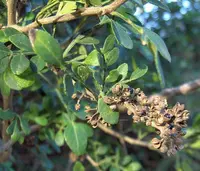
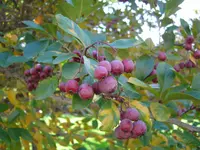
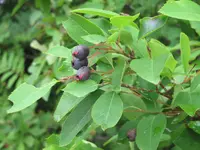
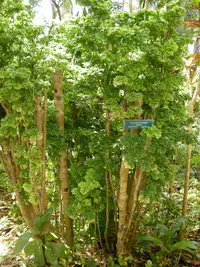
Oblongfruit serviceberry, Amelanchier bartramiana, is a small deciduous shrub or multi-stemmed small tree in the rose family. It is valued for its early white spring flowers and small edible fruits.

This species usually grows with an upright, open habit and smooth gray bark, with simple oval leaves that often develop good fall color. It is native to cool, northern regions of North America, typically found in moist woods, bog edges, and rocky slopes.

Amelanchier bartramiana is generally hardy and adaptable, but it prefers sun to light shade, evenly moist soil, and good drainage. Understanding how to care for oblongfruit serviceberry starts with matching these natural conditions as closely as possible.

Main Plant Requirements

Care Difficulty

Moderate Care

Light Preference

Full Sun

Water Requirements

Moderate Water

Temperature Preference

Cold Hardy

Hardiness Zone

2–6

Soil Texture

Sandy, Loamy, Peaty

Soil pH

Strongly acidic (4.5–5.5), Acidic (5.5–6.5)

Soil Drainage

Moist but well-drained

Fertilization

Minimal (feed rarely)

Get Personalized Care Plan

Scan your plant to receive care tips personalized for your specific plant

Available on iOS and Android

How to Care for the oblongfruit serviceberry

This shrub prefers cool, bright conditions that mimic open woodland edges.

  • Provide 4–6 hours of direct sun daily, ideally with morning sun and light afternoon shade, which supports compact growth and good flowering.
  • Tolerates partial shade, but in less than 3–4 hours of sun fruiting and fall color of oblongfruit serviceberry may be reduced.
  • In hot summers, protect from harsh afternoon sun to avoid leaf scorch; in cooler climates it can handle full sun if soil stays evenly moist.

Amelanchier bartramiana prefers consistently moist but not saturated soil.

  • Allow the top 3–5 cm of soil to dry slightly, then water deeply so moisture reaches the root zone, especially during the first 2–3 years after planting.
  • In spring and early summer, monitor closely during dry spells and increase watering during extended drought; reduce frequency in cool, rainy periods and in fall.
  • Watch for wilting, dry leaf edges, and poor shoot growth as signs of underwatering, and yellowing leaves or soggy soil as signs of overwatering and poor drainage.

This cold-hardy shrub is adapted to cool temperate climates with cold winters.

  • Active growth is strongest around 55–75°F (13–24°C), while flowering and fruit set are reliable in regions with cool springs and moderate summers.
  • Mature plants tolerate winter lows near -30°F (-34°C) when fully dormant, but young plants benefit from mulch to buffer rapid freeze–thaw cycles around the roots.
  • It handles short heat spells up to about 85–90°F (29–32°C) if soil moisture is maintained, but prolonged high heat and drying winds can stress foliage and reduce fruit quality.

This shrub tolerates a wide humidity range and usually does not need special humidity management outdoors.

  • Ideal humidity is around 40–70%, similar to typical outdoor conditions in temperate regions.
  • Plants tolerate short dry-air periods, but prolonged hot, very dry winds can crisp leaf edges and slow growth.
  • In unusually dry, exposed sites, reduce humidity stress by mulching the root zone and providing occasional wind protection during heatwaves.

This species prefers cool, moist, well-drained mineral soils similar to its native woodland and bog-edge habitats.

  • Use a loamy or sandy-loam soil with moderate organic matter from composted bark or leaf mold to balance moisture retention and aeration.
  • Aim for slightly acidic to neutral pH, roughly 5.5–7.0, as Amelanchier bartramiana often struggles in strongly alkaline soils with nutrient lockout symptoms like chlorosis.
  • Ensure drainage by avoiding heavy, compacted clay; improve structure with sharp sand and fine gravel so water moves through without ponding around the root zone.
  • Avoid sites where water stands after rain or where soil forms a hard crust, which restricts oxygen to roots and encourages root rot.

This species can be grown in containers for several years, though it performs best long term in the ground.

  • Choose a deep, heavy container (such as thick-walled ceramic) to support developing woody roots and prevent the shrub from tipping in strong wind.
  • Use a free-draining, mineral-rich mix combining peat-free compost, sharp sand, and fine gravel to keep roots cool and avoid waterlogging.
  • Position the container where the sides are shaded by neighboring pots or mulch to reduce root-zone overheating and moisture loss in summer.

This hardy native shrub or small tree usually needs minimal feeding in average garden soil when caring for oblongfruit serviceberry.

  • If growth or leaf color is weak, apply a balanced slow-release fertilizer (such as 10-10-10) at half label rate in early spring.
  • Alternatively, top-dress with a thin layer of compost around the drip line, keeping it away from direct stem contact.
  • Avoid midsummer and fall feeding to prevent soft growth that may be damaged by winter cold.
  • Do not apply fertilizer to drought-stressed plants; water first, then feed lightly once recovery starts.

Pruning Amelanchier bartramiana focuses on maintaining a healthy framework and good light penetration.

  • Carry out main pruning in late winter to very early spring before bud break, using sharp bypass pruners or loppers.
  • Remove dead, diseased, crossing, or inward-growing branches back to a healthy outward-facing bud or branch union.
  • Thin crowded interior shoots to improve air flow, which supports leaf health and reduces disease pressure.
  • Limit cuts on older wood to preserve natural form; selective thinning keeps the plant shapely without heavy topping.

This species is usually grown in the ground, so focus on careful transplanting rather than frequent repotting.

  • Transplant in early spring or fall when temperatures are mild and soil is workable, avoiding hot, dry periods.
  • Move plants when root growth fills the planting hole area, growth slows, or roots circle a nursery container.
  • Dig a wide root ball, keep soil around roots intact, and replant at the same depth in a prepared hole with loosened surrounding soil.
  • Water deeply after transplanting, then maintain even moisture and apply a light mulch to reduce root stress and encourage establishment.

Propagation of Amelanchier bartramiana is possible but slower than many shrubs, so it is done mainly by patient growers.

  • Sow fresh seeds in fall outdoors or in pots exposed to natural winter, as cold stratification supports germination.
  • Take softwood cuttings in late spring to early summer, using a rooting hormone and a moist, well-drained medium under high humidity.
  • Simple layering of low, flexible shoots in spring can root over 1–2 seasons; keep the pinned section moist and lightly covered with soil.

This species is generally cold hardy in suitable climates and usually needs little special winter care outdoors.

  • Apply 5–8 cm of organic mulch around the root zone in late fall, keeping it slightly away from the trunk to reduce rot risk.
  • Newly planted shrubs benefit from consistent soil moisture before ground freeze to limit winter root stress.
  • Container-grown plants are less hardy; move them into a sheltered, unheated but frost-moderated spot such as a cold frame or attached garage.

Care Tips

Root-zone mulching

Apply a 5–8 cm layer of wood chips or shredded bark over the root zone each spring, keeping mulch 5–8 cm away from the trunk to conserve moisture, cool the roots, and reduce weed competition.

Sucker management

Inspect the base of the plant a few times each season and cut off unwanted root suckers at ground level to maintain a single-stem or select multi-stem form and direct energy into the main framework.

Fruit-thinning strategy

On young or weak plants, remove about one-third of developing fruit clusters after bloom to reduce stress and encourage stronger shoot and root growth for future cropping.

Preventing rust spread

If cedar-apple rust appears on leaves or fruit, collect and dispose of fallen debris promptly and avoid planting near junipers, which act as alternate hosts for the fungus and increase infection pressure.

Snow and wind protection

In exposed sites, use flexible tree ties and a low, breathable windbreak for young shrubs or small trees during the first 2–3 winters to reduce limb breakage and desiccation when growing oblongfruit serviceberry.

Common Pests and Diseases

Pear slug sawfly

This pest is the larval stage of a sawfly that skeletonizes leaves, leaving only the veins and giving foliage a scorched, lacy appearance.

Solution

Spray affected foliage with a strong stream of water to dislodge larvae, then apply horticultural soap or a spinosad-based product according to label directions; for small shrubs, hand-pick or shake larvae onto a tarp and destroy them and encourage birds and predatory insects that feed on sawfly larvae.

Cedar-apple rust

This disease causes bright orange leaf spots and may lead to early leaf drop, especially when nearby junipers host the alternate stage of the fungus.

Solution

Prune out and discard infected leaves and small twigs, improve air circulation around the shrub, avoid overhead watering, and, where feasible, remove or distance ornamental junipers; in areas with severe yearly problems, consider a preventive fungicide labeled for rust on serviceberry at bud break and repeat as directed.

Fire blight

This disease leads to blackened, wilted shoots that look scorched, often with a characteristic shepherd’s crook at the tip and blighted flower clusters.

Solution

Prune out infected shoots 20–30 cm below visible symptoms during dry weather, disinfecting tools between each cut with 70% alcohol or 10% bleach solution, and avoid high-nitrogen fertilization and overhead irrigation; in regions with recurrent outbreaks, consult local extension guidance on bloom-time copper or streptomycin sprays where permitted by local regulations.

Powdery mildew

This disease produces a white to gray powdery coating on leaves, which can cause distortion and reduced vigor during humid, stagnant conditions.

Solution

Increase air circulation by selective pruning, avoid wetting foliage late in the day, and remove heavily infected leaves; for repeated issues, apply a horticultural oil or potassium bicarbonate product labeled for powdery mildew on ornamental shrubs, following label intervals.

Aphids

These insects cluster on young shoots and leaf undersides, sucking sap and causing leaf curling, sticky honeydew, and sometimes sooty mold growth.

Solution

Rinse colonies off with a firm spray of water, repeat every few days as needed, and encourage natural predators such as lady beetles; for persistent infestations, use insecticidal soap or horticultural oil, ensuring thorough coverage of shoot tips and leaf undersides.

Interesting Facts

Northern bog specialist

This species is strongly associated with cool, acidic habitats such as sphagnum bogs, pond margins, and wet heaths across northeastern North America, unlike many other serviceberries that prefer drier woodland or rocky slopes.

Distinctive oblong fruits

The common name oblongfruit serviceberry refers to its relatively narrow, elongated berries, which are more cylindrical than the rounder fruits of many related Amelanchier species.

Compact, low shrub

In its native range this plant typically forms a low, spreading shrub rather than a small tree, often staying under 2 m and creating thickets that stabilize wet, peaty soils and provide structure in open bog communities.

FAQs about oblongfruit serviceberry

Yes. The small purple-black fruits are edible and resemble blueberries in flavor, suitable for fresh eating, jams, and baking. Fruits are usually sweetest when fully ripe and can also support wildlife, especially birds and small mammals.

Grow Healthy Plants with Botan Care

Keep your plants happy and healthy with plant identification, disease detection, and easy care guidance.

Botan plant care app — identify plants on mobile

Explore More Plants