Thorn‑safe placement
Site the plant away from narrow paths and children’s play areas, and use thick gloves and long sleeves when pruning or harvesting to avoid injuries from the sharp thorns.

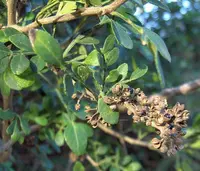
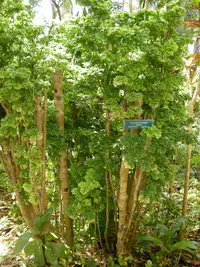
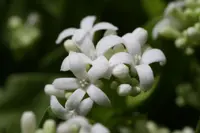
Lime pricklyash (Zanthoxylum fagara) is a small, thorny tree or large shrub from the citrus family, often used as a hedge or wildlife plant. It typically has bright green, aromatic leaves and sharp spines along its branches, forming a dense, irregular canopy.
This species is native to Florida, Texas, the Caribbean, Mexico, and Central America, where it grows in scrub, hammocks, and coastal thickets. It is valued for its toughness, drought tolerance once established, and ability to cope with poor, sandy soils, which makes it relatively easy to care for lime pricklyash in low-maintenance landscapes.
The plant prefers full sun to light shade and well-drained soil, and it can handle dry conditions better than prolonged wetness.

Care Difficulty
Easy Care

Light Preference
Full Sun

Water Requirements
Low Water

Temperature Preference
Warm Climate

Hardiness Zone
9–11

Soil Texture
Sandy, Loamy, Rocky

Soil pH
Acidic (5.5–6.5), Slightly acidic (6.5–7.0)

Soil Drainage
Well-drained

Fertilization
Minimal (feed rarely)
Scan your plant to receive care tips personalized for your specific plant
Available on iOS and Android
This sun-loving shrub thrives in warm, bright conditions with some protection from intense afternoon exposure.
This drought-tolerant shrub prefers deep, infrequent watering once established rather than frequent light applications.
This subtropical species prefers warm conditions and does best where frost is light and short-lived.
This species tolerates a wide humidity range and rarely needs special humidity management outdoors.
This species prefers well-drained, mineral soils and resents prolonged saturation.
This species can be grown in containers for several years when given a deep, very free-draining setup.
This drought-tolerant native shrub needs modest feeding, but responds well to light nutrition in containers or poor soils when caring for lime pricklyash.
Pruning Zanthoxylum fagara focuses on safety, access, and maintaining a strong, open structure.
This species is usually grown in the ground, so transplanting young plants correctly matters more than frequent repotting.
Propagation of Zanthoxylum fagara is usually done from seed, with some growers also using semi-hardwood cuttings.
This subtropical shrub is fairly cold tolerant in mild climates but needs some attention in areas with harder frosts.

Plant Health Check
Not sure what's wrong with your plant? Check your plant's health inside the app.
This species is a small, spiny tree native to southern Florida, the Caribbean, Mexico, and Central America, and it belongs to the same plant family (Rutaceae) as true citrus like oranges and limes.
The leaves serve as an important larval food source for several swallowtail butterflies, including the giant swallowtail and Schaus’ swallowtail, making this tree ecologically significant in subtropical scrub and coastal hammocks.
When crushed, the leaves and young twigs release a strong citrus-like aroma and can produce a mild tingling or numbing sensation in the mouth, a trait shared with other prickly ash species used as spice plants.

In parts of its native range, this species forms dense, thorny thickets that function as natural living fences, providing both protection for property boundaries and sheltered nesting sites for small birds.
This species performs best outdoors in warm climates, where it receives full sun, air movement, and space for its spines and roots. Indoors it tends to grow weakly, suffer from pests, and become difficult to manage long term.
Keep your plants happy and healthy with plant identification, disease detection, and easy care guidance.