Maiden's Wattle Care (Acacia maidenii)

Maiden's Wattle

About Maiden's Wattle

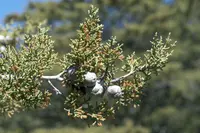
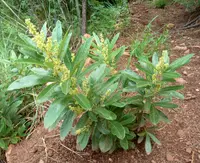
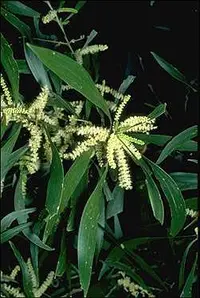
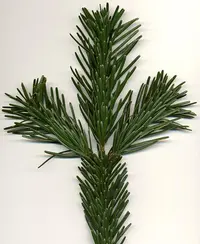
Maiden's wattle (Acacia maidenii) is a fast-growing evergreen tree from eastern Australia, often reaching small to medium tree size with a narrow, upright crown. It carries fine, feathery foliage and showy pale cream to yellow flower spikes, giving it a light, soft texture in the landscape.

In its native range it grows in warm, frost-free to light-frost climates, usually in open forests or along forest edges. The species is generally tough once established, but its rapid growth and size make it better suited to gardens with enough space and good drainage.

Those conditions, along with moderate water and plenty of sun, are the main considerations when learning how to care for Maiden's Wattle.

Main Plant Requirements

Care Difficulty

Moderate Care

Light Preference

Full Sun

Water Requirements

Moderate Water

Temperature Preference

Warm Climate

Hardiness Zone

9–11

Soil Texture

Sandy, Loamy

Soil pH

Acidic (5.5–6.5), Slightly acidic (6.5–7.0)

Soil Drainage

Well-drained

Fertilization

Minimal (feed rarely)

Get Personalized Care Plan

Scan your plant to receive care tips personalized for your specific plant

Available on iOS and Android

How to Care for the Maiden's Wattle

This fast-growing Australian tree benefits from consistent, bright outdoor light to support dense foliage and flowering.

  • Provide 6–8 hours of direct sun daily, ideally with morning sun and light afternoon shade in hotter inland or desert climates.
  • Tolerates light or dappled shade for part of the day but becomes more open and sparse if sun falls below about 4–5 hours.
  • Monitor for leaf scorch or yellowing on exposed western sides, especially in summer, and use neighboring trees or shade cloth to soften intense afternoon sun.

This species prefers a deep but infrequent watering pattern once established, supported by sharply draining soil.

  • Allow the top 5–8 cm of soil to dry before watering, then soak the root zone thoroughly so moisture reaches 20–30 cm deep.
  • Reduce watering in cool seasons and once Acacia maidenii is established; in most climates rainfall alone is sufficient outside prolonged droughts.
  • Watch for yellowing, soft leaves or persistent wet soil as signs of overwatering, and for curled, crispy leaf tips or premature leaf drop as signs of underwatering.

This subtropical tree grows best in mild, frost-free climates with warm summers and cool, not cold, winters.

  • Optimal growth occurs around 65–80°F (18–27°C), where steady warmth supports fast extension growth and flowering.
  • Tolerates brief drops to about 26–28°F (-3 to -2°C) once mature, but young trees are more tender and can suffer bark or tip damage at light frost.
  • Handles dry heat up to about 95–100°F (35–38°C) if soil moisture is adequate; extended freezes or hard frosts below 24°F (-4°C) may kill top growth.

This species handles a wide humidity range but benefits from slightly drier air than many tropical houseplants.

  • Aim for 30–50% humidity, which suits most heated indoor spaces and outdoor conditions in dry-summer climates.
  • Dry air is usually tolerated, but very low humidity combined with heat can cause leaf tip browning and slight leaf curl on Maiden's Wattle.
  • Increase humidity locally by grouping plants, placing trays of damp pebbles nearby, or lightly misting foliage during very hot, dry spells.

Acacia maidenii prefers freely draining, moderately fertile soil that does not stay wet for long.

  • Use a sandy or loamy mix with 30–50% coarse sand or fine grit plus 20–30% compost for structure and moderate nutrients.
  • Ensure rapid drainage; water should pass through in seconds, leaving the mix moist but never waterlogged or sticky.
  • Keep pH slightly acidic to neutral, around 6.0–7.0, avoiding strongly alkaline mixes that can limit nutrient uptake and cause chlorosis.
  • Improve aeration by blending in fine pine bark or chunky perlite and avoid heavy clay, peat-heavy, or compacted soils.

This species can be grown in containers for several years if root space and stability are managed carefully.

  • Choose a deep, heavy pot that resists tipping as the plant gains height and wind load above the rim.
  • Select a container material such as thick terracotta to reduce excess moisture retention while adding weight for stability.
  • Elevate the pot slightly on feet or blocks so drainage holes stay clear and water exits quickly after irrigation or rain.

This fast-growing Australian wattle benefits from light, controlled feeding in cultivation but tolerates lean soils.

  • Use a balanced, slow-release fertilizer (around 10-10-10) or well-rotted compost mixed into the topsoil in early spring.
  • Feed container-grown Maiden's Wattle every 6–8 weeks during active growth, using half-strength liquid balanced NPK.
  • Avoid high-phosphorus products, especially in native soil mixes, to prevent nutrient imbalance and root stress.
  • Stop feeding in late summer and do not fertilize in winter dormancy to allow tissues to harden and avoid weak growth.

Thoughtful pruning keeps Acacia maidenii structurally sound and manageable without stressing its fast growth.

  • Carry out main pruning in late winter to very early spring before vigorous new growth starts.
  • Remove dead, diseased, or storm-damaged branches first, cutting back to healthy wood with clean, sharp bypass pruners or a saw.
  • Thin crowded interior branches to improve light and air flow, encouraging a stable, open canopy form.
  • Shorten or redirect overly long shoots to maintain size and shape, avoiding very hard cuts into old wood where possible.

This species is usually grown in the ground, with container culture mainly for young plants or short-term display.

  • Transplant field or pot-grown Acacia maidenii in late winter to early spring while conditions are cool and soil is moist.
  • Look for roots circling the pot, reduced vigor, or quick drying soil as signals that a container plant needs a larger pot.
  • Move up only 1–2 pot sizes, keep the root ball intact, and water thoroughly to settle soil and limit transplant shock.
  • Mulch after transplanting, keep soil evenly moist but not waterlogged, and shelter young trees from strong wind until established.

Most Acacia maidenii plants are raised from seed, which gives strong tap-rooted seedlings suited to long-term growth.

  • Collect ripe seed pods, dry them, then store seeds cool and dry until late winter or early spring sowing.
  • Scarify hard-coated seeds by nicking with a blade or pouring hot (not boiling) water over them and soaking 12–24 hours.
  • Sow into a free-draining, low-phosphorus mix, just covering seeds, and keep at 65–75°F with even, light moisture.
  • Grow seedlings on in full sun to bright light, potting up carefully to avoid disturbing the developing taproot.

In mild climates this wattle is only lightly frost-tender, but young or container plants benefit from extra winter attention.

  • Expect damage below about 25°F, especially on soft new growth and young plants with shallow root systems.
  • Apply a 5–8 cm mulch layer around the root zone in late fall, keeping material slightly away from the trunk.
  • For potted specimens, shift containers into a bright, frost-free space or against a sheltered south-facing wall.
  • Use breathable frost cloth over small trees during forecast hard frosts, securing it so it does not rub foliage.

Care Tips

Early staking support

Install a sturdy stake on the windward side when the tree is young and use soft, flexible ties in a loose figure‑8, then remove the stake after 1–2 years once the trunk has thickened and can stand unaided.

Encourage deep rooting

In the first 2–3 seasons, water less often but for longer sessions so moisture reaches 30–40 cm deep, which trains roots downward and improves drought resilience and wind stability.

Mulch for root protection

Apply a 5–8 cm layer of coarse organic mulch in a wide ring, keeping it 5–10 cm away from the trunk to stabilize soil temperature, reduce weed competition, and prevent collar rot.

Controlled canopy shaping

Within the first few years, selectively remove closely crossing or inward‑growing branches during late winter to develop a single strong leader and open canopy that resists storm damage and improves airflow.

Monitor for psyllids

Check young foliage regularly for blistered, distorted leaves and sticky residue, and if psyllids appear, prune out the worst‑affected shoots and use a strong water spray or targeted low‑toxicity control before infestations build, which is a key part of caring for Maiden's Wattle.

Common Pests and Diseases

Acacia psyllids

These insects feed on young foliage and shoots, causing curling, distortion, and sticky honeydew that can lead to sooty mold growth.

Solution

Prune out heavily infested shoot tips, hose down foliage to remove nymphs and honeydew, and encourage natural predators such as lady beetles; if needed, apply a light horticultural oil or insecticidal soap to new growth according to label directions.

Borers

These insects tunnel into stems and branches, leading to dieback, weakened limbs, and small entry holes sometimes accompanied by frass (sawdust-like material).

Solution

Remove and destroy affected branches promptly, keep the tree vigorous with proper watering and no excessive fertilization, and avoid trunk wounds; for high-value specimens, consult an arborist about timing-targeted systemic insect treatments if borer activity is confirmed.

Armillaria root disease

This disease, caused by Armillaria fungi, leads to progressive decline, yellowing foliage, branch dieback, and often resin or gum exudation near the root collar in stressed trees.

Solution

Improve site drainage, avoid overwatering, and remove severely affected plants including as much of the root system and old woody debris as possible; replant only with species known to be more tolerant in infested sites and keep new trees unstressed to reduce infection risk when trying to grow Acacia maidenii.

Phytophthora collar rot

This disease affects the root collar and lower stem, causing dark sunken lesions at the base, wilted foliage, and eventual collapse under prolonged wet or poorly drained conditions.

Solution

Improve soil drainage, avoid water pooling around the trunk, raise planting height or use mounded beds, and remove soil from direct contact with the stem; in nursery or high-value situations, a registered phosphite (phosphonate) treatment can be used as part of integrated management.

Leaf spot fungi

Symptoms include small brown to dark spots on leaflets or phyllodes that may coalesce, leading to premature leaf drop in humid or crowded plantings.

Solution

Prune to improve airflow, avoid overhead watering, promptly remove and dispose of fallen infected leaves, and if spots spread rapidly in wet seasons, apply a suitable copper-based or other registered fungicide, following label directions and focusing on new foliage.

Interesting Facts

Rainforest edge specialist

This species naturally occurs along the margins of subtropical rainforests in eastern Australia, where it helps stabilize soils and tolerate periodic disturbance better than many true rainforest trees.

Nitrogen-fixing partner

Like many wattles, it forms symbioses with root-dwelling bacteria that convert atmospheric nitrogen into plant-available forms, improving soil fertility in its native habitats.

Rapid early growth

In suitable warm, moist conditions, young plants show relatively fast early growth, which allows them to quickly occupy gaps and light openings along forest edges.

Botan icon

Did you know?

Maiden's wattle was historically used in Australia as a source of tannin-rich bark for small-scale leather tanning, due to its relatively high concentration of tannins compared with many co-occurring native trees.

FAQs about Maiden's Wattle

This species is generally fast-growing, often adding 60–120 cm per year in suitable outdoor conditions. Growth is quickest in mild climates with well-drained soil and adequate moisture, then slows as the tree approaches maturity.

Grow Healthy Plants with Botan Care

Keep your plants happy and healthy with plant identification, disease detection, and easy care guidance.

Botan plant care app — identify plants on mobile

Explore More Plants