Sweet Dattock Care (Detarium microcarpum)

Also known as: Tallow Tree
Sweet Dattock

About Sweet Dattock

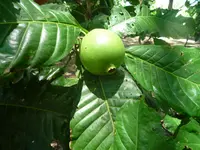
Sweet Dattock, Detarium microcarpum, is a small to medium tree from dry savanna regions of West and Central Africa. It is best known for its hard, round, edible fruits with sweet, floury pulp.

The tree has a dense, rounded crown and small compound leaves that help it tolerate heat and seasonal drought. Its deep root system and tough foliage make it naturally resilient in poor, sandy or lateritic soils.

Because it is adapted to harsh climates, it can be slow to establish in cooler or wetter regions. Light, well-drained soil and a warm, bright position support healthier growth and make it easier to care for Sweet Dattock.

Main Plant Requirements

Care Difficulty

Moderate Care

Light Preference

Full Sun

Water Requirements

Low Water

Temperature Preference

Warm Climate

Hardiness Zone

10–12

Soil Texture

Sandy, Loamy, Rocky

Soil pH

Slightly acidic (6.5–7.0), Neutral (7.0)

Soil Drainage

Well-drained

Fertilization

Minimal (feed rarely)

Get Personalized Care Plan

Scan your plant to receive care tips personalized for your specific plant

Available on iOS and Android

How to Care for the Sweet Dattock

Detarium microcarpum benefits from strong sun in warm climates but still responds to some protection at the hottest times of day.

  • Provide 6–8 hours of direct sun daily; full sun is ideal for fruiting Sweet Dattock in open ground.
  • Allow light partial shade in very hot regions, especially from harsh mid‑afternoon sun, to reduce leaf scorch and moisture stress.
  • In the dry season, clear competing shade and dust from foliage; in wetter or cooler seasons, avoid dense shade that causes weak, elongated growth.

Detarium microcarpum is drought‑tolerant once established but performs best with moderate, well‑timed watering.

  • Before watering, let the top 5–8 cm of soil dry; in deep, well‑drained ground this often means long gaps between waterings in the dry season.
  • Use sandy or loamy soil with good drainage to prevent standing water, which leads to yellowing leaves, dieback, and root rot.
  • Watch foliage as a guide: mild leaf droop and dry surface soil suggest it is time to water, while persistent wet soil and soft, dark roots indicate overwatering.

This species favors warm, tropical to subtropical temperatures and reacts poorly to cold and frost.

  • Aim for 77–95°F (25–35°C) during active growth; young trees establish fastest in consistently warm conditions.
  • Avoid temperatures below 50°F (10°C); growth slows sharply, and brief exposure near 40°F (4°C) can damage foliage and young shoots.
  • The tree tolerates hot spells up to about 104°F (40°C) if roots are mulched and soil moisture is maintained, but it is not frost‑hardy and should be shielded from cold winds.

This species tolerates a wide humidity range and rarely needs special air-moisture management.

  • Target 30–60% relative humidity, which matches most outdoor and indoor conditions in its growing range.
  • The plant copes well with dry air if soil moisture is appropriate, so avoid misting routines that keep foliage constantly damp.
  • Leaves that curl, brown at the tips, or drop after hot, very dry spells indicate stress; group plants or use a nearby water tray if growing Sweet Dattock in very arid rooms.

Detarium microcarpum prefers mineral, free-draining soil that still holds moderate moisture around the root zone.

  • Use a sandy or sandy-loam mix with 30–40% sharp sand and 20–30% well-rotted compost to balance drainage and nutrient supply.
  • Aim for slightly acidic to neutral pH, around 6.0–7.0, avoiding strongly alkaline mixes that can lock up micronutrients.
  • Improve aeration and prevent compaction by adding coarse particles such as perlite or fine gravel rather than peat-heavy components only.
  • Avoid heavy clay, waterlogged spots, or fine silt soils that stay saturated after rain, as prolonged root saturation encourages rot and poor seedling establishment.

This species can be grown in containers when given enough depth and stable, fast-draining conditions.

  • Choose a tall, heavy container to anchor the developing taproot and prevent the pot from tipping in wind.
  • Use a gritty mix and raise the pot slightly off the ground so drainage holes stay clear and water exits quickly.
  • Position the container where heat buildup on dark pot walls is limited, as overheated root zones can slow growth and stress young plants.

Detarium microcarpum is adapted to poor, dry soils and usually needs only light feeding in cultivation.

  • Apply a thin layer of well-rotted compost around the root zone once at the start of the warm growing season.
  • In low-fertility soils, use a balanced NPK granular or slow-release fertilizer at 25–50% of label rate.
  • Feed no more than 1–2 times per growing season for Sweet Dattock, then stop in late fall or during dormancy.
  • Water thoroughly after each application to move nutrients into the root zone and avoid salt buildup.

Detarium microcarpum benefits from light structural pruning to maintain a strong framework and safe shape.

  • Carry out main pruning in late dry season or late winter, before strong new growth begins.
  • Remove dead, diseased, crossing, or storm-damaged branches first using clean, sharp loppers or a pruning saw.
  • Thin crowded inner branches to improve airflow and light penetration, encouraging healthier foliage and flowering.
  • Limit cuts to smaller branches where possible to reduce wound size and lower the risk of decay.

This species is usually grown as a field tree, so care focuses on transplanting young plants rather than frequent repotting.

  • Transplant when roots fill the nursery container, circle at the base, or growth slows despite good care.
  • Choose late dry season or early rainy season so new roots establish quickly in moist but not waterlogged soil.
  • Move trees every 2–3 years while young, before they become large and difficult to establish in a new site.
  • Water well before and after transplanting, keep the root ball intact, and shade temporarily to limit transplant shock.

Detarium microcarpum is most commonly propagated from seeds, with vegetative methods used less often.

  • Collect fully ripe pods, dry them, then extract and clean the seeds before storage or sowing.
  • Sow seeds in late dry season to early rains in a free-draining, sandy mix kept evenly moist but not saturated.
  • Scarify hard seed coats lightly with sandpaper or a brief hot-water soak to improve germination rates.
  • Provide warm temperatures, good air movement, and bright light to support strong, disease-free seedlings.

In frost-free, tropical to warm subtropical climates, this species needs minimal specific winter care.

  • Young or marginally hardy trees benefit from a 5–8 cm mulch layer to insulate the root zone during cool periods.
  • In areas with occasional light frost, wrap young trunks with breathable fabric to reduce bark damage risk.
  • Container-grown plants in cooler regions should be moved indoors or to a sheltered, frost-free spot for winter.

Care Tips

Deep root training

During the first 2–3 years, water less often but very deeply to encourage a strong taproot, which improves drought tolerance and anchorage on windy, exposed sites.

Dry-season mulching

Before the dry season, apply a 5–8 cm layer of coarse organic mulch around the root zone, keeping it 5–10 cm away from the trunk to reduce evaporation and protect fine feeder roots.

Windward side staking

In open, windy locations, set a sturdy stake on the prevailing-wind side and use loose, flexible ties for the first 1–2 years to keep the young trunk upright without restricting movement or girdling.

Targeted canopy shaping

In early years, selectively remove only crossing or steeply upright branches to form a single strong leader and 3–5 well-spaced scaffold branches, which improves long-term structure and fruiting potential.

Pod harvest timing

Harvest pods when they turn fully brown and rattle slightly when shaken, then dry them in a single layer in a shaded, well-ventilated place to reduce mold risk and improve seed viability for growing Sweet Dattock.

Common Pests and Diseases

Bruchid beetles

This pest attacks the seeds and pods, boring into developing fruits and dry stored seeds, which reduces viability and eating quality. Symptoms include small round exit holes in pods or seeds and powdery frass inside damaged seeds.

Solution

Harvest pods promptly when mature and dry seeds thoroughly in the sun, then store them in airtight containers to limit beetle access. For existing infestations, sort and discard visibly damaged seeds, expose stored seeds to solar heat for several hours, or briefly freeze small seed batches to kill larvae, and keep storage areas clean and dry to prevent reinfestation.

Pod-boring moths

These insects lay eggs on young pods, and the larvae tunnel inside, feeding on developing seeds and causing premature pod drop. Symptoms include small entry holes, frass at the pod surface, and shriveled or partially eaten seeds when pods are opened.

Solution

Collect and destroy infested and fallen pods to break the life cycle and reduce larval populations. Encourage natural enemies by maintaining plant diversity nearby, use light pruning to open the canopy for better visibility, and where permitted apply targeted biological insecticides based on Bacillus thuringiensis to young pods at the start of flowering and fruit set.

Leaf-feeding caterpillars

These insects chew irregular holes in leaves and can strip young foliage during outbreaks, slowing growth and reducing shade and fruiting potential. Symptoms include skeletonized leaf blades, ragged edges, and the presence of caterpillars or droppings on leaves and branches.

Solution

Hand-pick caterpillars from reachable branches and prune heavily infested twigs, disposing of them away from the tree. For repeated attacks, apply a Bacillus thuringiensis spray to the foliage in the late afternoon, and keep the tree well watered and mulched so it can replace lost leaves more quickly.

Scale insects

This pest feeds on sap from twigs and leaves, weakening branches and sometimes causing leaf yellowing and dieback. Symptoms include small dome-shaped or flattened bumps on stems, sticky honeydew on leaves, and sooty mold growing on the honeydew.

Solution

Prune and discard heavily infested twigs, then gently scrub remaining scales from accessible branches with a soft brush and mild soapy water. For larger trees, use a horticultural oil spray during cooler parts of the day to smother scales, and encourage natural predators such as lady beetles by avoiding broad-spectrum insecticides.

Leaf spot

This disease causes small brown to dark spots on leaves that may enlarge, coalesce, and lead to premature leaf drop in humid conditions. Symptoms include circular or irregular lesions, sometimes with pale centers, and thinning foliage on affected branches.

Solution

Rake and dispose of fallen leaves and prune crowded inner branches to improve airflow and reduce leaf wetness duration. If wet, humid weather and repeated outbreaks occur, use a copper-based or other registered fungicide at the start of the rainy period, and avoid overhead irrigation that keeps foliage wet for long periods to support effective Detarium microcarpum care instructions.

Interesting Facts

Sahel woodland keystone

This small African legume tree is a dominant species in dry woodlands and savannas of the Sahel, where it helps stabilize soils and provides shade that moderates ground temperature and moisture for seedlings of other plants.

Edible wild fruit

The tree produces small, hard greenish fruits with a sweet, floury pulp that is eaten fresh or processed into snacks and beverages in several West African countries, making it an important seasonal wild food resource.

Nitrogen-fixing partner

Like many legumes, it forms root nodules with nitrogen-fixing bacteria, which convert atmospheric nitrogen into plant-usable forms and gradually enrich poor, sandy soils in its native range.

Botan icon

Did you know?

Wood from this species is notably dense and resistant to decay, so in many West African regions it is traditionally chosen for making durable tools, mortars, and construction elements that must withstand heavy wear and long-term exposure.

FAQs about Sweet Dattock

Container cultivation is possible when using a deep, sturdy pot to accommodate the strong taproot. Choose a very well-drained, gritty mix and avoid frequent repotting. Growth will usually be slower and stature smaller than in open ground.

Grow Healthy Plants with Botan Care

Keep your plants happy and healthy with plant identification, disease detection, and easy care guidance.


Botan plant care app — identify plants on mobile

Explore More Plants