Mobola Plum Care (Parinari curatellifolia)

Also known as: Hissing Tree, Muhacha, Sand-Apple
Mobola Plum

About Mobola Plum

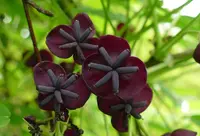
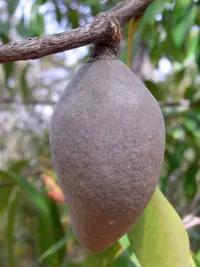
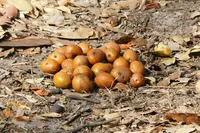
Mobola plum, Parinari curatellifolia, is an evergreen tree native to tropical and southern Africa, often found in savannas and open woodlands. It develops a dense, rounded crown with thick, leathery leaves and produces fragrant white flowers followed by edible, plum-like fruits.

The tree grows slowly but becomes very sturdy once established, tolerating poor, sandy soils and seasonal dry periods. It prefers full sun, moderate moisture, and well-drained soil, which helps guide how to care for Mobola Plum.

In suitable warm climates it is generally low-maintenance, though it can be sensitive to frost and prolonged waterlogging. Its strong taproot makes it more suitable for in-ground planting than for containers.

Main Plant Requirements

Care Difficulty

Moderate Care

Light Preference

Full Sun

Water Requirements

Moderate Water

Temperature Preference

Tropical / Frost Sensitive

Hardiness Zone

10–12

Soil Texture

Sandy, Loamy, Organic-rich

Soil pH

Acidic (5.5–6.5), Slightly acidic (6.5–7.0)

Soil Drainage

Well-drained

Fertilization

Minimal (feed rarely)

Get Personalized Care Plan

Scan your plant to receive care tips personalized for your specific plant

Available on iOS and Android

How to Care for the Mobola Plum

This African woodland tree prefers bright, open sun in warm climates.

  • Provide 6–8 hours of direct sun daily; young Mobola Plum trees benefit from morning sun with light afternoon shade in very hot regions.
  • Mature trees tolerate full sun all day but grow acceptably in bright, open partial shade, which may slightly reduce flowering and fruiting.
  • Avoid dense shade, which causes sparse, weak growth; in dry, high-radiation areas use companion plants or grasses to lightly filter the harshest afternoon sun.

This drought-tolerant woodland species prefers deep, infrequent watering once established.

  • In the ground, allow the top 5–8 cm of soil to dry before thorough watering, aiming for slow soaking rather than frequent light splashes.
  • During the first 2–3 years after planting Parinari curatellifolia, water more often in dry seasons, then reduce once roots are deep and growth looks steady.
  • Use well-drained, sandy or loamy soil; persistent puddling, yellowing leaves, or soft stems indicate overwatering, while curled, browning leaf edges signal drought stress.

This species thrives in warm, frost-free climates with distinct dry seasons.

  • Active growth occurs best around 75–90°F (24–32°C), typical of lowland tropical and warm subtropical regions.
  • Trees tolerate short peaks up to about 100°F (38°C) if soil moisture is adequate, but prolonged extreme heat with drought can scorch leaves and reduce fruit set.
  • Avoid frost; damage often starts near 32°F (0°C) and can kill young trees below 28°F (-2°C), so plant in frost-free sites or provide windbreaks in marginal climates.

This species handles a fairly wide humidity range and usually needs no special humidity control outdoors.

  • Ideal humidity is around 30–60%, similar to most warm temperate to subtropical outdoor conditions.
  • Mobola Plum tolerates dry air well if soil moisture is steady, but young container plants may benefit from the upper end of this range.
  • Humidity stress shows as leaf edge browning and slow growth; in containers, group plants or place near other vegetation to slightly raise local humidity.

Parinari curatellifolia prefers deep, well-drained, slightly acidic, sandy to loamy soil that still holds some moisture.

  • Aim for a loose, sandy loam structure with moderate organic matter to support both drainage and root anchoring.
  • For container or garden use, mix roughly 50% coarse sand, 30–40% loam or commercial mix, and 10–20% composted organic matter.
  • Target soil pH around 5.5–6.5; avoid strongly alkaline conditions, which can limit nutrient availability and cause chlorosis in new leaves.
  • Improve aeration and drainage in heavy soils by incorporating coarse sand or fine gravel and avoiding compaction from frequent foot traffic.

This tree can be grown in large containers when kept small and managed carefully.

  • Use a deep, heavy container that will not tip, since the plant forms a substantial root system and can become top-heavy in wind.
  • Select a pot with sharply draining side and base holes so water cannot pool around the taproot zone after rain or irrigation.
  • Position the container where it will not overheat on all sides, such as against a wall or partly shaded base, to reduce root stress and rapid drying.

This drought-tolerant African fruit tree grows on poor soils and usually needs only modest feeding, especially when grown in the ground.

  • For container-grown Mobola Plum, apply a balanced slow-release fertilizer (around 10-10-10) at half label rate at the start of the warm growing season.
  • Supplement with a light top-dressing of compost once per year to support soil life and trace nutrients.
  • During active growth, avoid feeding more often than every 8–10 weeks to prevent weak, overly lush shoots.
  • Stop or sharply reduce fertilizer in cool winter months, using only plain water outside the main growing season.

Parinari curatellifolia benefits from light structural pruning to maintain a strong framework and safe clearance.

  • Carry out main pruning at the end of the dry or cool season, just before active growth resumes.
  • Remove dead, diseased, crossing, or storm-damaged branches first to improve airflow and reduce pathogen entry points.
  • Thin crowded inner twigs to allow light into the canopy and encourage balanced, sturdy growth rather than tall, leggy shoots.
  • Use sharp, clean loppers or a pruning saw, making smooth cuts just outside the branch collar without leaving stubs.

This species is usually grown in-ground, so management focuses on careful transplanting of young trees rather than frequent repotting.

  • Transplant at the start of the rainy or warm season to support quick root re-establishment and reduce water stress.
  • Look for signs such as roots circling the nursery container, slow top growth, or soil drying very quickly before moving to a larger site or pot.
  • Handle the root ball gently, keeping as much soil attached as possible, and set the tree at the same depth as before in a well-drained planting hole.
  • Water deeply after transplanting, then keep soil evenly moist for several weeks while shading slightly if sun and wind are intense.

This tree is mainly raised from seed, and Parinari curatellifolia plant care starts best with fresh, viable fruit collected locally.

  • Use ripe fruits, clean away pulp, and sow fresh seeds at the start of the warm, rainy season for better germination.
  • Place seeds in a deep tray or nursery bags filled with well-drained, sandy loam kept evenly moist but not waterlogged.
  • Provide warm conditions, typically above 68°F, with bright light and protection from strong direct sun on young seedlings.
  • Transplant seedlings carefully once they are sturdy and show several true leaves, disturbing roots as little as possible.

This tropical to subtropical tree is not frost hardy and needs clear winter protection outside warm climates.

  • Avoid planting outdoors where temperatures drop below 30–32°F, or expect serious damage to young growth and leaves.
  • Mulch the root zone with 5–8 cm of organic material in autumn to buffer soil temperature and moisture swings.
  • For container specimens, move pots indoors or into a frost-free greenhouse before the first expected freeze, with as much light as possible.
  • In marginal climates, wrap young trunks with breathable fabric during cold snaps to limit bark injury and dieback.

Care Tips

Root zone mulching

Apply a 5–8 cm layer of coarse organic mulch around the root zone, keeping it 10–15 cm away from the trunk, to stabilize soil moisture and temperature while reducing weed competition for this deep-rooting tree.

Deep staking support

On windy or exposed sites, install 2–3 sturdy stakes outside the root ball and use flexible tree ties to support the young trunk for the first 2–3 years, allowing slight movement to encourage strong taper and root anchoring.

Formative canopy shaping

In the first 3–5 years, select 3–5 well-spaced scaffold branches and remove very low or steeply upright competing branches gradually, which promotes a balanced, accessible canopy and safer fruit harvest later on.

Wildlife and livestock protection

In rural or open areas, use rigid tree guards or a low post-and-wire enclosure with a 60–90 cm radius to prevent browsing, bark damage, and soil compaction from livestock or wildlife around young trees.

Drought hardening strategy

Once established, reduce irrigation frequency but water very deeply during dry spells to encourage deeper rooting, which improves long-term resilience when growing Mobola Plum in semi-arid conditions.

Common Pests and Diseases

Scale insects

These insects suck sap from young shoots and leaves, causing yellowing, stunting, and reduced fruit set on mobola plum trees. Symptoms include sticky honeydew on leaves and sooty mold growth on affected parts.

Solution

Prune and destroy heavily infested twigs, then wash smaller infestations off bark and leaves with a strong stream of water or a soft brush and mild soapy solution. For persistent problems, apply a targeted horticultural oil to trunk and branches during calm, cool periods, ensuring thorough coverage of scales while avoiding spray drift to non-target plants.

Stem borers

This pest tunnels into stems and larger branches, weakening the wood and sometimes causing limb dieback or sudden branch breakage. Symptoms include frass (sawdust-like material), entry holes on stems, and wilting foliage on affected branches.

Solution

Cut out and destroy infested branches as soon as boring activity is noticed, making clean cuts back to healthy wood. Maintain tree vigor through proper watering and mulching, and where allowed, use species-appropriate systemic or contact insecticides timed to target the adult borers before they lay eggs on the bark.

Termite damage

These insects feed on dead or weakened wood and roots, sometimes extending into stressed or older mobola plum trees, especially in dry regions. Symptoms include hollowed wood, mud tubes on trunks, and branch instability or gradual decline.

Solution

Remove and dispose of heavily damaged branches and any dead wood around the base of the tree, and reduce wood debris or old stumps near the planting site. In high-risk areas, consult local extension or pest control services for soil and trunk treatments that are appropriate for orchard or landscape trees, and keep the tree healthy with regular watering during dry spells to reduce stress-related susceptibility.

Anthracnose

This disease causes dark, sunken lesions on leaves, young twigs, and sometimes fruit, which can lead to premature leaf drop in warm, humid conditions. Symptoms include irregular brown or black spots with defined margins and occasional twig dieback.

Solution

Collect and destroy fallen leaves and pruned infected twigs to reduce the source of spores, and trim the canopy lightly to improve airflow and light penetration. In areas where anthracnose is recurrent, use a registered copper- or bio-based fungicide at the start of the rainy season, repeating according to label directions and avoiding overhead irrigation that keeps foliage wet for long periods.

Leaf spot complex

This disease group, often caused by various fungi in wetter climates, produces scattered brown or purplish spots on mobola plum foliage that may coalesce and cause partial defoliation. Symptoms include speckled leaves, occasional yellow halos, and more severe spotting on shaded, dense parts of the canopy.

Solution

Rake and remove fallen leaves, thin overcrowded branches, and avoid watering the canopy late in the day to limit leaf wetness. If spotting is severe on young or newly planted trees, a preventative fungicide labeled for broadleaf tree leaf spots can be applied at the onset of wet seasons, combined with improved spacing and pruning to keep foliage drier and more resilient.

Interesting Facts

Savanna fire survivor

This species develops a thick, corky bark that insulates the living tissue from heat, allowing mature trees in African savannas to survive frequent grass fires that would kill many other woody plants.

Hard, oil-rich fruit

Its small plum-like fruits have a very hard, stony endocarp surrounding an oily seed, which has been traditionally used as a source of edible oil in some parts of tropical Africa.

Termite mound companion

The tree often establishes near or on old termite mounds in miombo and woodland ecosystems, where the slightly raised, well-drained, nutrient-enriched soil offers an advantageous microsite for growth.

Botan icon

Did you know?

The wood of this species is so dense and hard that it is notably difficult to work with hand tools, and in rural areas it has been valued for making items that must withstand heavy wear, such as pestles and durable structural elements.

FAQs about Mobola Plum

Growth is slow to moderate. Young trees often add about 20–40 cm in height per year under warm, frost-free conditions. Poor soil, limited water, or cool temperatures can slow development significantly, especially during the first several years.

Grow Healthy Plants with Botan Care

Keep your plants happy and healthy with plant identification, disease detection, and easy care guidance.

Botan plant care app — identify plants on mobile

Explore More Plants