


Use shallow pots
Choose a wide, shallow pot rather than a deep one to suit the plant’s fibrous, surface-hugging roots and reduce the risk of soggy lower soil layers.

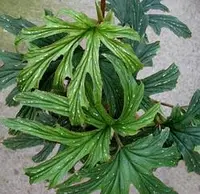
Begonia aconitifolia is a rhizomatous begonia grown mainly for its striking foliage rather than its flowers. It forms low, spreading clumps with deeply divided, lobed leaves that give it a fernlike look. Leaf surfaces often show subtle patterns and a matte texture that stand out in shaded indoor spaces.
This species comes from tropical forest habitats, where it grows in filtered light and consistently moist, well-drained soil rich in organic matter. It is considered moderately demanding, as it dislikes drying out completely and reacts poorly to cold drafts or sudden changes in humidity. With stable indoor conditions, it is relatively straightforward to care for Begonia aconitifolia.

Care Difficulty
Moderate Care

Light Preference
Bright Indirect Light

Water Requirements
Moderate Water

Temperature Preference
Tropical / Frost Sensitive

Hardiness Zone
11–12

Soil Texture
Loamy, Peaty, Organic-rich

Soil pH
Acidic (5.5–6.5), Slightly acidic (6.5–7.0)

Soil Drainage
Moist but well-drained

Fertilization
Light (every 4–6 weeks)
Scan your plant to receive care tips personalized for your specific plant
Available on iOS and Android
This species prefers bright, indirect light similar to a bright forest edge.
Watering should keep the root zone evenly moist but never saturated.
This plant favors warm, stable conditions without cold drafts or extreme heat.
This species benefits from elevated, stable humidity indoors.
This species prefers a loose, airy, organic-rich mix that drains quickly yet holds moderate moisture.
This species is well suited to container growing when moisture and stability are managed carefully.
This species benefits from light, consistent feeding during active growth for steady foliage production.
Thoughtful pruning keeps this begonia compact, healthy, and well-shaped.
This plant prefers slightly snug pots but benefits from periodic repotting to refresh the root zone.
New plants are most often produced from stem cuttings, which root reliably under stable conditions.
This tropical begonia is frost-sensitive and needs mild, protected conditions over winter.

Plant Health Check
Not sure what's wrong with your plant? Check your plant's health inside the app.
Begonia aconitifolia is native to Brazilian Atlantic forests, where it often grows as an epiphyte on rocks or tree trunks rather than rooted in deep soil, taking advantage of humid, shaded microhabitats.
The species has unusually dissected, aconite-like leaves with narrow, pointed lobes, a leaf shape that increases edge surface and helps the plant dissipate heat and moisture efficiently in warm, moist forests.
This species has been widely used in begonia breeding as a parent for cane and shrub-like hybrids, passing on its divided leaves and graceful, arching habit to many ornamental cultivars found in collections today.
Leaf curling usually results from low humidity, underwatering, or sudden temperature swings. Check for spider mites on leaf undersides. Increase humidity, keep watering consistent, and avoid placing the plant in drafts or near heating vents.
Keep your plants happy and healthy with plant identification, disease detection, and easy care guidance.

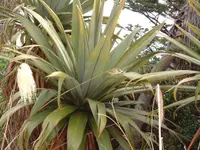
Mountain cabbage tree
Cordyline indivisa
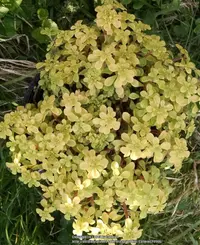
Japanese Woodland Stonecrop
Sedum makinoi 'Ogon'
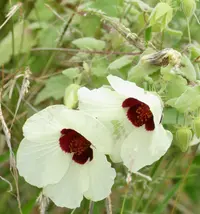
tropical rose mallow
Hibiscus vitifolius
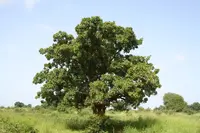
shea tree
Vitellaria paradoxa
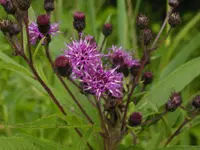
New York ironweed
Vernonia noveboracensis
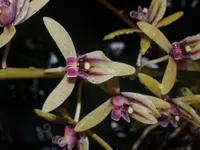
Aloe-leafed cymbidium
Cymbidium aloifolium
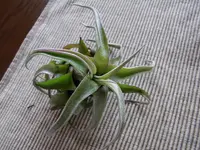
Tillandsia streptophylla
Tillandsia streptophylla
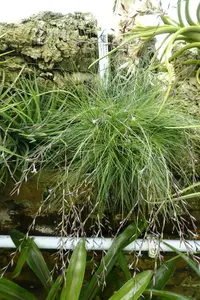
Tillandsia filifolia
Tillandsia filifolia