Columnea schiedeana Care

Columnea schiedeana

About Columnea schiedeana

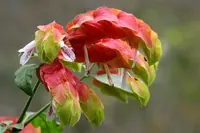
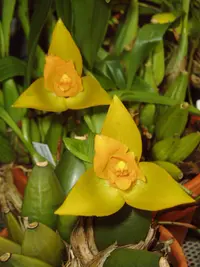
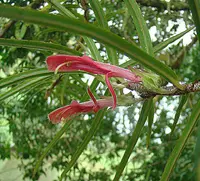
Columnea schiedeana is an epiphytic flowering plant from cloud forests of Central America and southern Mexico. It often grows on trees, with long trailing stems that can cascade over pot edges or hanging baskets. Leaves are usually small, fleshy, and arranged closely along the stems, giving a dense, arching look. The tubular flowers are typically brightly colored and attract hummingbirds in nature. This species prefers a humid, mild environment with bright, filtered light and evenly moist but airy, well-drained substrate. Once its basic needs are understood, it is moderately easy to care for Columnea schiedeana indoors, especially for growers comfortable with other tropical epiphytes.

Main Plant Requirements

Care Difficulty

Moderate Care

Light Preference

Bright Indirect Light

Water Requirements

Moderate Water

Temperature Preference

Tropical / Frost Sensitive

Hardiness Zone

11–12

Soil Texture

Loamy, Peaty, Organic-rich

Soil pH

Acidic (5.5–6.5), Slightly acidic (6.5–7.0)

Soil Drainage

Moist but well-drained

Fertilization

Light (every 4–6 weeks)

Get Personalized Care Plan

Scan your plant to receive care tips personalized for your specific plant

Available on iOS and Android

How to Care for the Columnea schiedeana

This species prefers bright, filtered light that mimics a forest understory.

  • Provide 6–8 hours of bright, indirect light each day, such as near an east or north-facing window or under light shade outdoors.
  • Tolerates light morning sun but avoid harsh midday and afternoon sun, which can scorch leaves and fade flowers on Columnea schiedeana.
  • In winter, move plants closer to bright windows or supplement with grow lights to compensate for shorter days and lower light intensity.

Watering should keep the root zone slightly moist but never saturated.

  • Let the top 2–3 cm of the potting mix dry before watering, then water thoroughly so excess drains away, avoiding standing water around roots.
  • Reduce watering in winter when growth slows, checking soil less often and allowing a bit more drying between waterings.
  • Watch for limp, dull leaves and dry stems as signs of underwatering, and for yellowing, mushy stems or a sour soil smell as signs of overwatering.

Stable, warm conditions support healthy growth and flowering.

  • Aim for 65–80°F (18–27°C) during active growth, with only small day–night fluctuations to prevent stress.
  • Protect from temperatures below 55°F (13°C); short drops to 45–50°F (7–10°C) may be survived but can slow growth and damage foliage.
  • Avoid hot, stagnant air above 85°F (29°C) by providing shade, airflow, and slightly higher humidity, keeping the plant out of cold or hot drafts year-round.

This species prefers consistently moist air and reacts quickly to dry indoor conditions.

  • Aim for 60–80% humidity, as Columnea schiedeana naturally grows in humid forest understories.
  • In drier rooms, leaves may curl, feel papery, or brown at the tips, especially along trailing stems.
  • Increase humidity with a nearby room humidifier, grouped plants, or a pebble tray, but avoid misting that keeps leaves wet for long periods.

This epiphytic shrub-like plant needs a loose, airy medium that drains rapidly yet holds some moisture.

  • Use a mix similar to epiphyte or orchid media: roughly 40% fine bark, 30% peat or coco coir, 20% perlite, 10% coarse sand.
  • Target slightly acidic conditions around pH 5.5–6.5 to support nutrient availability and root health.
  • Ensure the mix feels springy and open; add extra perlite or bark if it compacts or stays wet longer than 2–3 days.
  • Avoid heavy garden soil, straight peat, or mixes that become soggy, which can suffocate roots and promote rot.

This species is very suitable for container and hanging basket culture.

  • Choose a wide, moderately shallow pot to accommodate fibrous surface roots and support its arching or trailing growth habit.
  • Select a lightweight but sturdy container so hanging baskets or wall-mounted pots do not strain supports when the mix is moist.
  • Use pots with multiple side drainage holes or a mesh liner to let the airy mix shed excess water quickly after each watering.

This trailing epiphyte responds well to light, consistent feeding during active growth.

  • Use a balanced liquid fertilizer (around 10-10-10 or 20-20-20) diluted to 1/4–1/2 strength for Columnea schiedeana.
  • Feed every 2–4 weeks in spring and summer when growth and flowering are strongest.
  • Apply to already moist substrate to avoid root burn and salt buildup.
  • Reduce to monthly or stop feeding in fall and winter when growth slows.

Light pruning helps keep this trailing species compact and flowering well indoors.

  • Best time for pruning Columnea schiedeana is after a main flush of flowering, usually late spring or late summer.
  • Remove dead, damaged, or very weak stems with clean, sharp scissors or snips.
  • Shorten overly long or tangled shoots to maintain a balanced, cascading shape and encourage branching.
  • Pinch soft tips on young growth to increase density and future flower sites.

This plant prefers slightly tight conditions, so repotting is infrequent but sometimes necessary.

  • Check for roots circling the pot base, pushing through drainage holes, or slowed growth as signs Columnea schiedeana needs a larger container.
  • Plan repotting in late spring, every 2–3 years, when active growth supports recovery.
  • Choose a shallow, slightly wider pot with fresh, airy mix and gently loosen congested roots without tearing them.
  • Water well after repotting, keep in bright but indirect light, and maintain stable warmth to limit transplant shock.

New plants are most often produced from stem cuttings taken from healthy, flowering-age shoots.

  • Use 7–10 cm non-woody tip cuttings of Columnea schiedeana in late spring or summer.
  • Remove lower leaves, leaving 2–3 at the top, and place nodes into moist, airy medium such as perlite and peat or coco coir.
  • Maintain 70–80°F, high humidity, and bright, indirect light to support root formation.
  • Optional rooting hormone dusting and bottom heat can speed rooting; transplant once roots are 2–3 cm long.

This tropical species is frost sensitive and needs warm, stable indoor conditions in winter.

  • Move outdoor or porch-grown Columnea schiedeana indoors before temperatures drop below 55°F.
  • Keep winter room temperatures around 60–75°F and away from cold drafts or heater blasts.
  • Reduce watering slightly but never allow the root ball to dry out completely in heated rooms.
  • Provide bright, indirect light and avoid sudden temperature swings to limit stress and leaf drop.

Care Tips

Encourage Trailing Shape

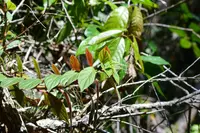
Start stems overhanging the pot edge early and gently reposition new growth every few weeks so the plant develops long, even cascades instead of congested upright clumps.

Rotate For Even Bloom

Turn the pot 90° every 1–2 weeks so all sides receive similar light exposure, which helps maintain symmetrical growth and more uniform flowering along the stems.

Refresh Exhausted Stems

Every 2–3 years, lightly thin out the oldest, woodiest stems after main flowering and keep younger, more flexible shoots, which produce more vigorous growth and better flower display.

Use Hanging Airflow

If grown in a hanging basket, leave space between the basket and walls or windows so air can move freely around the foliage, reducing the risk of fungal leaf spots and stem rot.

Gentle Pest Monitoring

Inspect the undersides of leaves and stem joints weekly with a hand lens if possible, and at the first sign of mealybugs or mites isolate the plant and treat with a mild horticultural soap, which is usually sufficient for caring for Columnea schiedeana in typical home conditions.

Common Pests and Diseases

Mealybugs

This pest often hides in leaf axils and along stems, feeding on plant sap and causing distorted growth and sticky honeydew on leaves.

Solution

Isolate the plant, then dab visible insects with cotton swabs dipped in 70% isopropyl alcohol and rinse foliage gently; follow with 2–3 applications of an insecticidal soap or neem oil spray at 7–10 day intervals, and improve light and airflow to reduce reinfestation while focusing on Columnea schiedeana care instructions that avoid overfertilizing with high nitrogen.

Spider mites

These insects thrive in warm, dry indoor air and cause fine webbing, stippled leaves, and gradual leaf drop.

Solution

Shower the plant with lukewarm water to remove mites and webs, increase humidity around the plant, and apply insecticidal soap or horticultural oil to both leaf surfaces every 5–7 days until new growth appears clean.

Soft scale

This pest appears as small, rounded bumps on stems and leaf midribs, leading to yellowing foliage and sticky honeydew that can promote sooty mold growth.

Solution

Manually remove scales with a soft brush or cloth, prune heavily infested stems, then treat remaining growth with repeated applications of horticultural oil, ensuring good coverage of stems and the undersides of leaves.

Botrytis blight

This disease causes soft, water-soaked spots on leaves and flowers that quickly turn brown and may develop gray fuzzy mold in humid, stagnant air.

Solution

Remove and discard all affected plant parts, increase air movement, avoid wetting the foliage when watering, and, if conditions stay very humid, use a labeled fungicide suitable for indoor ornamentals as a preventive spray.

Bacterial leaf spot

Symptoms include small, water-soaked lesions that turn dark and may coalesce, leading to irregular dead patches along leaf margins and between veins.

Solution

Promptly remove affected leaves, avoid overhead watering and splashing between plants, sanitize tools, and keep foliage dry; in severe or recurrent cases, discard highly infected plants to protect nearby Columnea species.

Interesting Facts

Epiphytic cliff specialist

This species naturally grows as an epiphyte or lithophyte on mossy tree trunks and shaded limestone cliffs in humid Mexican and Central American cloud forests, rather than rooted in deep soil.

Tubular hummingbird flowers

Its bright tubular flowers are specifically shaped for pollination by hummingbirds, which can easily access the nectar while contacting the reproductive parts of the flower.

Velvety trailing foliage

The stems can trail for long distances and are covered with fine hairs that give the foliage a soft, velvety appearance and help trap a thin layer of moisture around the plant surface.

FAQs about Columnea schiedeana

Lack of flowers usually relates to insufficient light, depleted nutrients, or old, unpruned stems. Provide bright but indirect light, light monthly feeding in the growing season, and prune lightly after flowering to stimulate new, flower-bearing shoots when caring for Columnea schiedeana.

Grow Healthy Plants with Botan Care

Keep your plants happy and healthy with plant identification, disease detection, and easy care guidance.

Botan plant care app — identify plants on mobile

Explore More Plants