


Seasonal rest reset
Allow a short, dryish rest in late winter by slightly reducing watering and pinching off remaining old blooms, which encourages a compact, vigorous flush of new growth in spring when caring for Chrysothemis friedrichsthaliana.

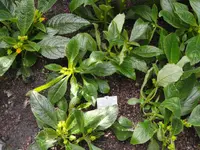
Chrysothemis friedrichsthaliana is a tropical, tuberous perennial from Central and South America, often grown as a compact indoor ornamental. It forms low mounds of soft, slightly fuzzy leaves with colorful veins and produces bright tubular flowers with contrasting bracts, giving a vivid display over the growing season.
In nature it occurs in warm, humid forest margins and shaded banks, where it receives filtered light and consistent moisture. Its fast growth and forgiving foliage make it moderate in difficulty, provided warmth, humidity, and free-draining but evenly moist soil are available.
Once the basic environment is stable, it is relatively straightforward to care for Chrysothemis friedrichsthaliana in a home or greenhouse setting.

Care Difficulty
Moderate Care

Light Preference
Partial Shade

Water Requirements
Keep Soil Moist

Temperature Preference
Tropical / Frost Sensitive

Hardiness Zone
11–12

Soil Texture
Loamy, Organic-rich

Soil pH
Acidic (5.5–6.5), Slightly acidic (6.5–7.0)

Soil Drainage
Moist but well-drained

Fertilization
Light (every 4–6 weeks)
Scan your plant to receive care tips personalized for your specific plant
Available on iOS and Android
This tropical understory plant grows best in bright, indirect light with some protection from harsh midday sun.
This species prefers evenly moist, airy soil and reacts quickly to both drought and waterlogging.
This plant thrives in warm, stable conditions similar to a humid, frost‑free tropical climate.
This species benefits from consistently moist air and reacts quickly to very dry conditions indoors.
This plant prefers an airy, organic-rich, evenly moist but sharply draining substrate.
This species adapts well to container culture when the pot is chosen to manage its spreading growth and moisture needs.
This species responds well to moderate feeding during its active growing season.
Targeted pruning keeps Chrysothemis friedrichsthaliana compact and encourages more flowering shoots.
Container-grown plants appreciate occasional repotting to maintain vigorous growth.
This plant is most commonly propagated from stem cuttings under warm, humid conditions.
This tropical species is frost-sensitive and needs protection in regions with cold winters.

Plant Health Check
Not sure what's wrong with your plant? Check your plant's health inside the app.
This species has softly pubescent, velvety leaves that reduce water loss and help protect the leaf surface from intense tropical light in its native Central American habitats.
Its bright tubular orange corollas and contrasting yellow lobes are adapted for pollination by hummingbirds, which can easily access the nectar with their long bills while transferring pollen between flowers.
The plant forms thickened, somewhat succulent rhizomes that store water and nutrients, allowing it to tolerate short dry spells in its native forest-edge environments.
Lack of flowers usually comes from insufficient light, lean feeding, or the plant being rootbound. Provide bright, indirect light, regular balanced fertilizer during the growing season, and repot when roots circle the pot to restore flowering.
Keep your plants happy and healthy with plant identification, disease detection, and easy care guidance.

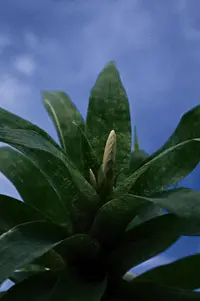
Goudaea ospinae
Goudaea ospinae
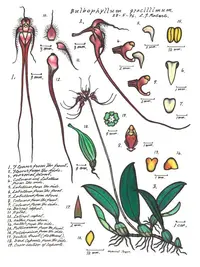
Wispy umbrella orchid
Bulbophyllum gracillimum
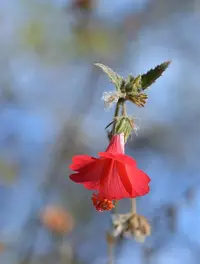
Poeppig's rosemallow
Hibiscus poeppigii
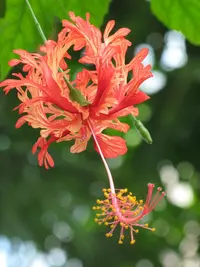
fringed rosemallow
Hibiscus schizopetalus
 POPULAR
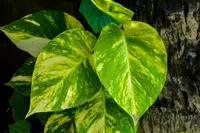
Golden Pothos
Epipremnum aureum
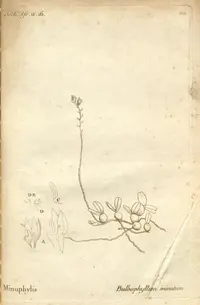
Bulbophyllum minutum
Bulbophyllum minutum
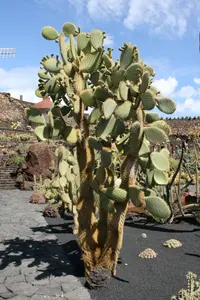
Galápagos Prickly Pear
Opuntia galapageia
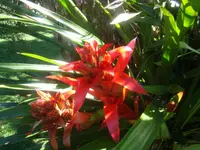
Guzmania wittmackii
Guzmania wittmackii