Ellianthus aurautiacus Care (Elleanthus aurantiacus)

Ellianthus aurautiacus

About Ellianthus aurautiacus

Elleanthus aurantiacus, often labeled Ellianthus aurautiacus in cultivation, is an epiphytic orchid that usually grows on trees in humid, montane forests. It forms dense clumps of upright, reed-like stems with narrow leaves.

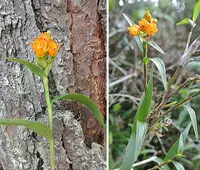
The plant is best known for its showy orange flower spikes, which appear along the stems and attract pollinators in its native range from Central to South America. Its preference for constant moisture, good air movement, and mild temperatures can make it moderately challenging for beginners.

Those used to mounted orchids or fine-grade orchid mixes will find it easier to care for Ellianthus aurautiacus in typical indoor conditions with bright, filtered light and steady humidity.

Main Plant Requirements

Care Difficulty

Hard Care

Light Preference

Partial Shade

Water Requirements

Keep Soil Moist

Temperature Preference

Tropical / Frost Sensitive

Hardiness Zone

Unknown

Soil Texture

Loamy, Peaty, Organic-rich

Soil pH

Acidic (5.5–6.5)

Soil Drainage

Moist but well-drained

Fertilization

Moderate (every 2–4 weeks)

Get Personalized Care Plan

Scan your plant to receive care tips personalized for your specific plant

Available on iOS and Android

How to Care for the Ellianthus aurautiacus

This cloud-forest orchid prefers bright, gentle light rather than harsh direct sun.

  • Provide bright, filtered light with dappled shade, such as under high tree canopy or 50–70% shade cloth, allowing 3–5 hours of soft morning sun only.
  • Protect leaves from strong midday and afternoon sun, which can cause scorching, yellow patches, or dry leaf tips on Ellianthus aurautiacus.
  • In winter, increase light exposure by moving plants to a brighter position, but still avoid low-angle, intense sun through glass.

This species prefers consistently moist but never waterlogged conditions.

  • Water when the top 2–3 cm of the mix feels just barely dry, aiming for evenly damp media rather than cycles of full drying and soaking.
  • Use a very free-draining, airy orchid mix so water flows through in seconds, reducing the risk of root rot and sour, stagnant media.
  • In cooler months, let the surface dry slightly deeper and watch for wrinkling pseudobulbs or limp leaves (too dry) versus blackened roots or a sour smell (too wet).

This orchid comes from mild, humid montane habitats and dislikes temperature extremes.

  • Aim for 60–80°F (16–27°C) for steady growth, with a slight drop at night to mimic natural cloud-forest conditions.
  • Avoid temperatures below 50°F (10°C); prolonged exposure near this level slows growth, and light frost can permanently damage foliage and roots.
  • In hot spells above 85°F (29°C), increase shade, air movement, and humidity to prevent heat stress, leaf scorch, and bud drop on Elleanthus aurantiacus.

This orchid prefers consistently high humidity to maintain healthy foliage and roots.

  • Aim for 60–80% humidity; prolonged exposure below 50% leads to leaf edge browning and slow growth.
  • It tolerates brief dry indoor air but shows stress as wrinkled pseudobulbs and crispy leaf tips.
  • Increase humidity with a room humidifier, grouped plants, or an evaporative tray, ensuring air movement to prevent fungal issues.

This species needs a loose, airy, fast-draining medium similar to an epiphytic orchid mix.

  • Use a mix of medium orchid bark, fine bark, and perlite, optionally with a small amount of sphagnum moss for moisture retention.
  • Aim for a slightly acidic pH around 5.5–6.5, which supports nutrient availability for Elleanthus aurantiacus roots.
  • Ensure the mix is chunky enough that water drains through in seconds while roots stay evenly moist, not waterlogged.
  • Avoid compact, peat-heavy, or garden soil blends that stay wet, reduce aeration, and promote root rot.

This orchid adapts well to container growing when moisture and aeration are balanced carefully.

  • Choose a tall, narrow pot or orchid basket that supports upright growth while allowing air to reach the root zone.
  • Select a breathable container material such as terracotta or slatted wood if the growing area is humid, to prevent stagnant moisture.
  • Stabilize the pot with a heavy base or cachepot if the top growth becomes tall, to reduce the risk of tipping over after watering.

This orchid benefits from light, consistent feeding during active growth but is sensitive to excess salts.

  • Use a balanced orchid fertilizer (around 20-20-20) or very dilute balanced NPK at 1/4–1/2 strength with low urea nitrogen.
  • Feed every 2–3 weeks in spring and summer when shoots and roots are actively growing, then flush the pot with plain water monthly.
  • Reduce feeding to once every 4–6 weeks in autumn and winter, or pause entirely if growth slows markedly.
  • Choose liquid formulations over slow-release pellets for finer control, especially when caring for Ellianthus aurautiacus in small containers.

Elleanthus aurantiacus needs only light pruning to maintain health and flower production.

  • Prune at the end of flowering, removing spent flowering stems at the base without cutting healthy pseudobulbs or leaves.
  • Trim dead, yellowing, or damaged foliage with clean, sharp scissors or pruning snips to limit disease entry points.
  • Avoid heavy shaping; instead thin only crowded or crossing shoots to improve air flow around the plant.
  • Disinfect tools with alcohol before and after use, and make small, clean cuts to reduce stress on the orchid tissues.

This species prefers a stable root environment and should be repotted only when clearly necessary.

  • Check for signs such as roots circling the container, breaking the pot, or growing poorly despite adequate care.
  • Plan to repot every 2–3 years in late winter to early spring, just before new root tips and shoots extend.
  • Gently loosen the old medium, trim dead or mushy roots with sterile scissors, and shift into a slightly larger pot with fresh, airy orchid mix.
  • Water lightly after repotting, keep humidity moderate-high, and shade from harsh sun for 1–2 weeks to reduce root stress.

Elleanthus aurantiacus is usually propagated by careful division rather than from seed in home conditions.

  • Divide mature clumps in late winter or early spring when repotting, once there are several healthy pseudobulbs and shoots.
  • Use a sterile knife to separate sections with at least 3–4 pseudobulbs and an active growth point for each division.
  • Pot divisions in small containers with fresh, fine to medium-grade orchid mix, keeping them slightly snug to support new roots.
  • Maintain warm temperatures, bright filtered light, and high humidity (60–80%) while new roots establish, watering lightly until growth resumes.

This orchid is frost-sensitive and needs mild, sheltered conditions through winter.

  • Keep plants above 50°F, ideally 55–65°F, avoiding sudden temperature drops and cold drafts around foliage and roots.
  • For container plants, move indoors or into a heated greenhouse before the first light frost in temperate regions.
  • Use a loose organic mulch only if grown outdoors in very mild climates, keeping it off the stems to prevent rot.
  • Water less in winter but do not allow the medium to dry out completely, and ensure good air circulation to limit fungal issues.

Care Tips

Mounting technique

Mount plants on cork bark or tree fern slabs with a thin layer of long-fiber sphagnum to mimic epiphytic growth, then secure the roots gently with biodegradable twine or soft plant ties so new roots can attach without damage.

Air movement management

Use a small oscillating fan on a low setting to provide constant gentle air flow around the foliage and roots, which reduces fungal problems and helps the plant dry evenly after misting or watering.

Water quality control

Irrigate with rainwater, reverse-osmosis, or low-mineral filtered water and periodically flush mounts or pots thoroughly to prevent salt buildup that can burn the fine roots.

Cool-night scheduling

Place the plant in the coolest suitable area of the home or greenhouse at night and avoid nighttime heating near the plant, as a regular drop of about 10–15°F between day and night supports better bud initiation and flowering.

Inspection and hygiene

Inspect leaf sheaths, pseudobulb bases, and root zones weekly for scale or mites, and if pests are seen, isolate the plant and treat promptly with a horticultural soap, keeping tools and mounting surfaces clean to support healthier long-term growing Elleanthus aurantiacus.

Common Pests and Diseases

Scale insects

This pest attaches to stems and undersides of leaves, sucking sap and causing yellowing, stunted growth, and sticky honeydew on Elleanthus aurantiacus canes. Symptoms include small brown or off-white bumps that are hard to remove with a fingertip.

Solution

Physically remove scales with a cotton swab dipped in isopropyl alcohol and gently wipe affected canes and leaf bases, then rinse with lukewarm water. Improve air movement around the plant and repeat alcohol swabbing weekly until no new scales appear; in larger collections, use a horticultural oil labeled for orchids, applied according to directions.

Spider mites

These insects thrive in warm, dry air around mounted or basket-grown plants, causing fine stippling, dull foliage, and fine webbing between leaves and pseudostems. This pest is more common on greenhouse-grown Elleanthus with insufficient humidity and air circulation.

Solution

Shower the plant thoroughly with lukewarm water, focusing on leaf undersides, and increase humidity to 60–80% while maintaining steady air movement. For persistent mites, use a miticide or insecticidal soap labeled for orchids, applied in 2–3 treatments at 5–7 day intervals, and avoid letting the plant dry excessively between waterings.

Soft rot (Erwinia)

This disease causes sudden, watery, foul-smelling collapse of stems or leaf bases, often starting where water stands in tight leaf axils. Symptoms include rapidly spreading translucent patches that quickly turn brown and mushy.

Solution

Immediately cut out all affected tissue with a sterile blade, removing a margin of healthy tissue, and discard infected material away from other orchids. Keep water out of leaf axils, improve air movement, and allow the plant to dry slightly faster; in collections, apply a bactericide labeled for orchids to nearby plants as a preventative following product instructions.

Leaf spot fungi

This disease appears as small yellow to brown spots on leaves that may enlarge and coalesce, particularly on plants grown with poor air movement or frequently wet foliage. Symptoms include dark margins around spots and occasional yellow halos.

Solution

Remove and discard heavily spotted leaves and avoid overhead watering that keeps foliage wet for long periods. Increase spacing and airflow, water early in the day, and when spotting is spreading, apply a broad-spectrum fungicide labeled for orchids according to label directions while maintaining drier leaf surfaces.

Aphids

These insects colonize tender new growth and inflorescences, feeding on sap and causing distortion, sticky honeydew, and sometimes sooty mold on the flowers and leaves. This pest is often introduced when plants are moved from outdoor to indoor growing areas during Elleanthus aurantiacus care instructions in mixed collections.

Solution

Rinse aphids off under a gentle stream of lukewarm water and pinch off heavily infested buds if needed. Follow up with insecticidal soap or a neem-based spray labeled for orchids, applied thoroughly to soft new growth and repeated after 5–7 days, while checking nearby plants to stop re-infestation.

Interesting Facts

Cloud-forest epiphyte

This orchid naturally grows as an epiphyte on trees in humid montane cloud forests of Central and northern South America, relying on moss and organic debris rather than soil for anchorage and nutrients.

Brush-like flower spikes

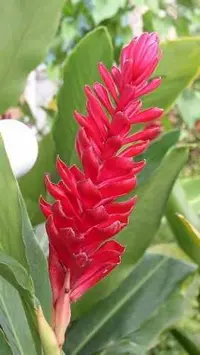
It produces dense cylindrical spikes of many small orange to reddish-orange flowers, giving a brush-like or bottlebrush appearance that makes the inflorescences highly visible to pollinators in the forest canopy.

Pollinator attraction strategy

The tubular flowers and clustered arrangement are thought to favor visitation by hummingbirds and certain insects that can navigate tight floral spaces in mid-elevation tropical forests.

FAQs about Ellianthus aurautiacus

This orchid usually blooms in cooler, drier seasons, often late fall to spring, depending on climate. It produces upright spikes densely packed with small, bright orange flowers that create a noticeable, elongated plume rather than a few large blooms.

Grow Healthy Plants with Botan Care

Keep your plants happy and healthy with plant identification, disease detection, and easy care guidance.

Botan plant care app — identify plants on mobile

Explore More Plants