
Marsh-marigold Care (Caltha palustris)

Also known as: kingcup, yellow marsh marigold, cowflock, Molly-blobs, Cow's Lips
Marsh-marigold

About Marsh-marigold

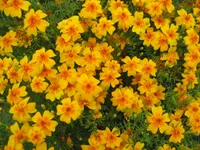
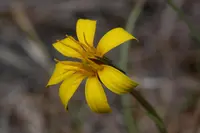
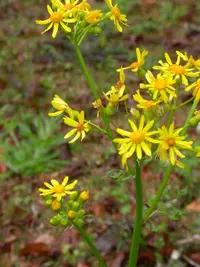
Marsh-marigold (Caltha palustris) is a perennial wetland plant from the buttercup family, valued for its early spring display in cool climates. It forms low clumps with rounded, glossy green leaves and bright yellow, buttercup-like flowers that stand out against damp soil or shallow water.

In nature, it grows along stream edges, marshes, ponds, and wet meadows across much of the Northern Hemisphere. Once given constant moisture and rich, heavy soil, it is generally reliable and long-lived.

Marsh-marigold suits pond margins and bog gardens but is less practical indoors, so most guides on how to care for Marsh-marigold focus on outdoor, water-side settings.

Main Plant Requirements

Care Difficulty

Moderate Care

Light Preference

Partial Sun

Water Requirements

Aquatic

Temperature Preference

Cold Hardy

Hardiness Zone

3–7

Soil Texture

Loamy, Silty, Organic-rich

Soil pH

Acidic (5.5–6.5), Slightly acidic (6.5–7.0)

Soil Drainage

Waterlogged tolerant

Fertilization

Minimal (feed rarely)

Get Personalized Care Plan

Scan your plant to receive care tips personalized for your specific plant

Available on iOS and Android

How to Care for the Marsh-marigold

This wetland perennial prefers bright conditions with cool, moist soil near water edges.

  • Provide 4–6 hours of direct morning sun with light or dappled shade in the afternoon to prevent leaf scorch, especially in warmer regions.
  • Tolerates partial shade, especially under open trees; in deeper shade, Marsh-marigold will flower less and stems may stretch toward light.
  • In early spring, full sun is usually safe, but by late spring–summer protect from strong afternoon sun in hot climates to avoid wilting and leaf burn.

This species naturally grows in saturated soils and shallow water, so it requires consistently wet conditions.

  • Keep the root zone constantly moist; in garden soil, do not allow the top layer to dry and avoid letting surrounding ground crack or pull away from the roots.
  • In naturalistic or pond-edge plantings, Caltha palustris can sit in 2–5 cm of standing water during spring, then in very damp soil as water levels drop in summer.
  • Signs of stress include limp, dull leaves and browning edges when too dry, or yellowing foliage and rotting crowns when standing water becomes warm and stagnant.

This cold-hardy perennial is adapted to cool, temperate climates with distinct seasons.

  • Best growth and flowering occur in spring when temperatures are around 45–65°F (7–18°C), especially in consistently moist or shallow-water sites.
  • Mature plants tolerate winter cold down to about -20°F (-29°C) if crowns stay below the frost line and soil or mud remains moist, not exposed and dry.
  • Hot weather above 80°F (27°C), especially combined with low moisture, can cause early dormancy; provide shade and ample water during heat waves to reduce stress.

This wetland perennial prefers very humid conditions and does poorly in dry air.

  • Aim for 70–100% humidity, similar to a pond margin or boggy site.
  • Dry indoor air causes drooping foliage, browning leaf edges, and faster soil drying.
  • Increase humidity outdoors by siting containers in trays of shallow water; indoors, avoid radiators and place near open water features.

This plant is adapted to saturated, oxygen-poor soils rather than conventional garden beds.

  • Use heavy clay or clay-loam with high organic matter, such as garden clay mixed 1:1 with composted manure or leaf mold.
  • Soil should stay consistently wet to waterlogged; standing water over the crown is tolerated during the growing season.
  • Slightly acidic to neutral pH (6.0–7.0) suits Caltha palustris, so avoid strongly alkaline, chalky substrates.
  • Do not add sand or perlite to improve drainage, as fast-draining or gravelly mixes cause stress and dieback.

This species can grow in containers if the setup mimics a permanent shallow bog or pond edge.

  • Choose a wide, heavy container so the saturated, soil-filled pot remains stable and does not tip in wind.
  • Use a pot without drainage holes only if it will act as a mini-pond; otherwise, submerge a draining pot inside a watertight outer cachepot.
  • Maintain a constant water level 2–5 cm above the soil surface to keep roots submerged without floating the plant loose.

Caltha palustris is a wetland perennial that usually needs only modest feeding when grown in garden soils.

  • Apply a light top-dressing of compost or well-rotted manure once in early spring as growth starts.
  • In poor or soilless pond baskets, use a balanced slow-release aquatic fertilizer at half strength each spring.
  • Avoid frequent liquid feeding; excess nutrients can reduce flowering and encourage soft, weak growth.
  • Do not feed in late fall or winter when the plant is dormant.

Pruning Caltha palustris is minimal and mainly focused on tidiness and keeping plants vigorous.

  • Cut back spent flowering stems and yellowing leaves after bloom to tidy clumps and encourage fresh foliage.
  • Remove any dead, diseased, or damaged growth at ground level using clean, sharp hand pruners or scissors.
  • Thin out congested stems in late summer or early fall to maintain airflow and reduce crown rot risk.

Marsh-marigold is most often transplanted in garden ponds or boggy beds rather than repotted frequently in containers.

  • Transplant in early spring or early fall when temperatures are mild and soil is moist but not frozen.
  • Move plants when clumps become crowded, flowering declines, or roots fill and circle a pond basket.
  • Lift the clump with plenty of surrounding soil, handle roots gently, and replant at the same depth near water.
  • Water thoroughly after transplanting and keep soil consistently wet to reduce transplant shock and root stress.

Propagation of Caltha palustris is commonly done by division, with seed used mainly for larger-scale or wild-type plantings.

  • Divide mature clumps in early spring or just after flowering, when soil is moist and workable.
  • Lift the plant, gently tease or cut the root mass into sections, each with several buds and healthy roots.
  • Replant divisions immediately into wet, organic-rich soil or pond margins, then water well to settle soil.
  • For seeds, sow fresh in moist, cool conditions outdoors to allow natural cold stratification and germination.

Caltha palustris is generally cold hardy in temperate climates and needs little special winter care in the ground.

  • In colder regions, apply a thin mulch layer after the ground cools to buffer freeze-thaw cycles around crowns.
  • Allow foliage to die back naturally; remove mushy or diseased leaves to reduce overwintering pathogens.
  • For container-grown plants, sink pots into the ground or move them into a cold, frost-free but unheated shelter.

Care Tips

Seasonal Water Level

In water gardens or ponds, gradually raise the water level in early spring to just cover the plant crown, then lower it slightly after flowering to reduce stress and discourage rot.

Divide After Flowering

Lift and divide crowded clumps immediately after flowering, replanting divisions 20–30 cm apart so each piece has several buds and can re-establish before summer heat.

Control Self-Seeding

Deadhead seed heads as they fade or cut back stems to the base after bloom if you want to prevent aggressive self-seeding into nearby beds and lawns.

Mulch For Cool Roots

In ground plantings, apply a 3–5 cm layer of fine bark or leaf mulch around but not over the crowns to keep roots cool and moist while limiting weed competition.

Monitor Summer Dormancy

Expect partial or full foliage dieback in hot summer regions, mark clump locations clearly, and avoid disturbing the soil where the roots rest dormant when caring for Marsh-marigold.

Common Pests and Diseases

Slugs and snails

This pest is very attracted to the soft, moisture-rich foliage and can rapidly skeletonize leaves, especially in wet conditions. Symptoms include irregular holes, shredded edges, and slime trails on and around the plant.

Solution

Hand-pick slugs and snails in the evening, use beer traps or iron phosphate bait around plant clumps, and reduce nearby hiding places such as boards or dense debris. In very wet garden settings, raising plants slightly or spacing clumps can reduce damage while still meeting water needs for Caltha palustris care.

Leaf spot

This disease appears as small, water-soaked or dark spots on leaves that may expand and merge in prolonged wet weather. Symptoms include yellowing tissue around spots and premature leaf decline in dense, poorly ventilated stands.

Solution

Remove and discard affected leaves to reduce pathogen spread, and avoid overhead watering in garden or container specimens. Improve air circulation by thinning crowded clumps and clean up plant debris in late season to lower the amount of overwintering inoculum.

Powdery mildew

This disease occasionally develops on foliage in late season or in stagnant, humid air, forming a white, powdery coating on leaf surfaces. Symptoms include dulled leaf color, reduced vigor, and distorted or stunted new growth if infection is heavy.

Solution

Increase air movement by spacing plants and trimming surrounding vegetation, and remove heavily infected leaves when first noticed. If needed, apply a gentle fungicidal spray such as a potassium bicarbonate or sulfur-based product, following label directions and avoiding treatment during strong sun or high heat.

Aphids

These insects cluster on young stems and flower stalks, sucking plant sap and excreting sticky honeydew that can attract ants or lead to sooty mold growth. Symptoms include curled or distorted new leaves and slowed growth, especially on plants growing at the margins of wet areas or in containers.

Solution

Rinse colonies off with a strong but controlled stream of water, repeating as needed, and pinch back heavily infested shoot tips. For persistent infestations, use insecticidal soap or a light horticultural oil, making sure to coat the undersides of leaves and tender stems while avoiding application in direct, hot sun.

Interesting Facts

Toxic yet palatable

All parts of the plant contain protoanemonin, a blistering toxin, but traditional cuisines in northern Europe have used very young leaves and flower buds as a cooked pot herb or caper substitute after thorough boiling to destroy the toxin.

Early spring nectar source

This species flowers very early in spring in cold climates, providing one of the first nectar and pollen sources for bees and other pollinators along streams, ditches, and woodland wetlands.

True wetland specialist

It is adapted to saturated, low-oxygen soils and often grows with its crown at or just below water level in marshes, slow streams, and wet meadows, where many other perennials cannot survive prolonged flooding.

Botan icon

Did you know?

In parts of central and northern Europe, this species has been used as a natural weather indicator, with the local timing of its flowering historically helping farmers estimate the start of spring field work and the risk period of late frosts.

FAQs about Marsh-marigold

Lack of flowers often comes from plants being too young, recently divided, or stressed by improper moisture. Nutrient-poor, compacted, or overly dry conditions also reduce flowering. Ensure stable, cool, wet conditions and avoid disturbing clumps in early spring.

Grow Healthy Plants with Botan Care

Keep your plants happy and healthy with plant identification, disease detection, and easy care guidance.


Botan plant care app — identify plants on mobile

Explore More Plants