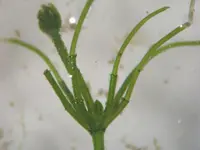
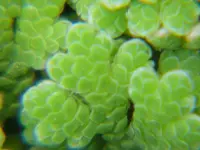
antifever fontinalis moss Care (Fontinalis antipyretica)

Also known as: Willow Moss, Greater Water-moss
antifever fontinalis moss

About antifever fontinalis moss

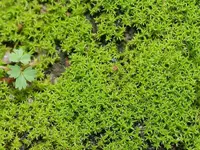
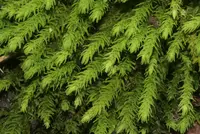
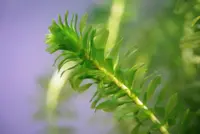
Antifever fontinalis moss (Fontinalis antipyretica) is an aquatic moss that forms dense, trailing mats in cool, clean, flowing freshwater. It often attaches to rocks, submerged wood, or other hard surfaces, creating dark green, feathery strands in streams, rivers, and lakes across Europe, North America, and parts of Asia.

This moss prefers steady water movement, stable cool temperatures, and good water quality, which makes it sensitive to pollution and sudden changes. In aquariums or outdoor water features, it is considered moderately easy if its need for clean, oxygen-rich water is respected, and its slow growth rate is understood.

Basic knowledge of how to care for antifever fontinalis moss helps keep its mats compact, healthy, and free from algae overgrowth.

Main Plant Requirements

Care Difficulty

Moderate Care

Light Preference

Partial Shade

Water Requirements

Aquatic

Temperature Preference

Cold Hardy

Hardiness Zone

3–9

Soil Texture

Sandy, Silty, Organic-rich

Soil pH

Acidic (5.5–6.5), Slightly acidic (6.5–7.0)

Soil Drainage

Waterlogged tolerant

Fertilization

Minimal (feed rarely)

Get Personalized Care Plan

Scan your plant to receive care tips personalized for your specific plant

Available on iOS and Android

How to Care for the antifever fontinalis moss

This aquatic moss thrives in cool, shaded freshwater habitats with gentle, diffuse light.

  • Provide bright shade or dappled light equal to roughly 2–4 hours of weak, indirect sun; avoid direct midday sun on exposed rocks or shallow water.
  • Antifever fontinalis moss tolerates deep shade under overhanging vegetation but may grow more slowly and form looser fronds.
  • In summer, protect from strong afternoon sun that can overheat shallow water, and in winter ensure some ambient light reaches the stream or pond surface.

Fontinalis antipyretica requires constant submersion in clean, cool, moving freshwater rather than intermittent watering.

  • Keep the plant fully underwater in streams, ponds, or aquaria with gentle flow; avoid stagnant, oxygen-poor water that promotes decay.
  • Watch fronds for pale tips or limp, shrinking patches, which suggest poor water quality or insufficient flow rather than simple underwatering.
  • Brown, foul-smelling sections indicate rot from pollution, excess nutrients, or warm, low-oxygen water; improve filtration and flow and trim damaged parts.

This moss prefers cool, well-oxygenated water and tolerates a fairly wide temperature range.

  • Optimal growth occurs around 50–64°F (10–18°C), typical of cool streams and spring-fed ponds with moderate shade.
  • It survives down to about 32°F (0°C) in unfrozen moving water, though growth slows sharply in winter conditions.
  • Prolonged exposure above 72–75°F (22–24°C) can stress the moss; in warm spells increase shading and water movement to limit overheating.

This aquatic moss requires constant high moisture and saturated conditions rather than typical room humidity management.

  • Keep the moss fully submerged or in continuously flowing water with near-100% humidity around the fronds.
  • Avoid exposure to dry air or splashing only; fronds above waterline desiccate, turning pale and brittle.
  • If grown emersed temporarily, cover with a humid dome or tent and maintain 80–90% humidity to limit stress.

This species anchors to hard surfaces and does not use conventional soil in cultivation.

  • Attach Fontinalis antipyretica to rocks, driftwood, or inert mesh; its rhizoids grip surfaces but absorb nutrients mainly from the water column.
  • If a substrate is used in aquaria or outdoor tubs, choose fine sand or smooth gravel with plenty of organic detritus trapped between particles.
  • Avoid dense, muddy, or clay-heavy substrates that smother the moss and restrict water movement around the shoots.
  • Maintain slightly acidic to neutral conditions around pH 6.0–7.5, with water circulation to keep the substrate oxygenated and prevent anaerobic pockets.

This moss is suitable for containers when grown in water-filled aquaria, tubs, or bowls rather than standard pots.

  • Use a wide, shallow container to maximize horizontal water flow and allow the moss to spread evenly across rocks or wood.
  • Fix clumps with fishing line or plant-safe glue so water movement does not dislodge them before they attach.
  • Choose glass or opaque plastic that limits rapid temperature swings, since small volumes of water heat and cool quickly in direct sun.

Fontinalis antipyretica usually thrives without added fertilizer in clean, cool, nutrient-poor water.

Pruning Fontinalis antipyretica focuses on light thinning and tidying rather than shaping.

  • Trim back dead, decaying, or algae-covered fronds at any time using small scissors or aquascaping shears.
  • Remove overcrowded or very long strands to maintain water flow, light penetration, and a compact, tidy clump.
  • Cut just above branch points to encourage denser side growth and reduce detritus accumulation in the tank.
  • Avoid heavy cutting in one session; spread work over several weeks to limit stress on the moss.

This aquatic moss is usually attached to rocks or wood, so care focuses on gentle transplanting rather than classic repotting.

  • Move clumps when growth becomes too dense, light is blocked, or water flow around the moss decreases.
  • Transplant at the start of active growth, typically in spring, and only every 1–2 years when adjustment is needed.
  • Lift the moss gently, keeping holdfasts and attached substrates intact to reduce root-like structure stress.
  • Reattach to new stone or driftwood with fine thread or mesh, then provide stable, cool, well-oxygenated water for recovery.

Propagation of antifever fontinalis moss is straightforward using small vegetative pieces rather than spores.

  • Use healthy stem fragments 2–5 cm long taken from vigorous, algae-free sections of the moss.
  • Best results occur in cool, clean, gently flowing water with moderate light and stable temperature.
  • Attach fragments loosely to rocks or wood with thread, mesh, or plant glue so water can circulate around them.
  • Allow time for rhizoids (fine anchoring structures) to grip the surface before major cleaning or strong current changes.

Fontinalis antipyretica is naturally cold hardy in temperate climates and usually needs minimal winter care outdoors.

  • In outdoor ponds, maintain sufficient unfrozen water depth and some circulation to keep the moss healthy.
  • Avoid sudden moves between very warm indoor water and near-freezing outdoor water to limit shock.
  • For indoor aquaria in winter, keep water clean, cool, and well-oxygenated, and avoid large temperature swings.

Care Tips

Anchor To Hardscape

Tie the moss in thin, flat layers onto rocks or wood using cotton thread or fine mesh so currents cannot dislodge it and it forms dense, even mats instead of loose clumps.


Control Water Flow

Place the moss where water movement is gentle to moderate, such as near but not directly in front of a filter outlet or stream inlet, to prevent fraying and breakage of the fronds.

Reduce Silt Build‑Up

Periodically swish the moss gently in a container of tank or pond water and clean mechanical filters so fine sediment does not smother the shoots and block light penetration.

Segment For Propagation

Trim and reattach 3–5 cm healthy stem pieces to new hard surfaces to quickly expand coverage and maintain a younger, more vigorous colony when growing antifever fontinalis moss.

Seasonal Light Adjustment

In outdoor ponds or unheated tanks, shift the moss to slightly shadier but still bright positions in summer and more exposed spots in winter to match its preference for cool, low‑to‑moderate light conditions.

Common Pests and Diseases

Algal overgrowth

Symptoms include dark green, slimy coatings forming on moss fronds and surfaces, often in nutrient-rich or strongly lit aquaria and ponds. This growth can smother the moss and slow new shoot development.

Solution

Reduce light intensity and duration, lower dissolved nutrients through partial water changes, and avoid overfeeding fish. Manually remove algae by gently rubbing or brushing fronds in tank water, and increase water movement so detritus does not settle on the moss, which supports long-term Fontinalis antipyretica care.

Filamentous cyanobacteria

This disease appears as blue-green, dark green, or reddish slimy mats that spread rapidly over moss cushions. These bacteria can block light, trap debris, and cause sections of the moss to weaken and detach.

Solution

Improve water quality with frequent partial water changes, strong but gentle water flow, and reduced organic waste. Manually siphon or carefully pull off mats, and in aquaria consider short-term blackout treatments or targeted spot treatment with hydrogen peroxide at safe, aquarium-tested doses while monitoring fish and invertebrates closely.

Freshwater snails

These insects do not cause the problem; instead, small aquatic snails graze on biofilm and can shred delicate new moss tips, especially when populations are high. This damage can appear as ragged or missing fronds and slow regrowth.

Solution

Limit excess food and organic debris to reduce snail reproduction, and physically remove snails by hand or with snail traps. For heavy infestations, isolate moss on removable hardscape, manually clean it, and consider introducing natural snail predators only if compatible with the aquarium or pond setup.

Aquatic leeches

This pest may arrive with wild-collected moss and hide among dense fronds, where it can stress fish and disturb the microhabitat around the moss. Activity can stir up detritus, reducing water quality around the plant.

Solution

Quarantine newly collected moss and rinse it thoroughly under running water, inspecting and manually removing any visible leeches. In established systems, use leech traps or carefully net out leeches at night when they are active, and clean detritus from around the moss to make the habitat less favorable.

Interesting Facts

Ancient aquifer indicator

This moss often colonizes cool, clean, slow-flowing streams fed by groundwater, so its presence can indicate long-term stable aquifer conditions rather than just short-term water quality.

Unusual leaf arrangement

Its narrow leaves are arranged in three neat rows along the stems, creating flattened, ribbon-like fronds that help reduce drag in moving water and increase light capture.

Winter photosynthesis strategy

In temperate climates it remains green and can photosynthesize at low temperatures under ice cover, taking advantage of clearer winter water when many aquatic competitors are dormant.

Botan icon

Did you know?

Historically, this species was packed around bottles as insulation and protection during transport of fish and amphibians, because its dense, springy mats hold water and cushion delicate cargo for long periods without soil.

FAQs about antifever fontinalis moss

Growth is moderate. In suitable cool, clean, moving water it often extends 2–5 cm per year. Low nutrients, excess heat, stagnant water, or heavy shading slow it noticeably, while stable conditions and good water quality encourage denser, longer shoots.

Grow Healthy Plants with Botan Care

Keep your plants happy and healthy with plant identification, disease detection, and easy care guidance.

Botan plant care app — identify plants on mobile

Explore More Plants