common stonewort Care (Chara vulgaris)

common stonewort

About common stonewort

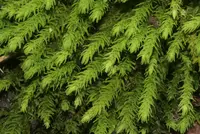
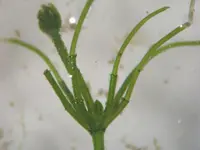
Common stonewort (Chara vulgaris) is a submerged freshwater alga that often resembles a delicate, branched aquatic plant. It forms dense underwater meadows with firm, slightly rough stems and whorled branchlets.

This species occurs in ponds, lakes, canals, and slow streams, especially in clear, still, or gently moving water with moderate hardness. It is valued in aquariums and wildlife ponds because it helps stabilize water quality and competes with nuisance algae.

Growth is usually straightforward where water is clean, mineral rich, and well lit, so the main difficulty is maintaining suitable water conditions rather than learning how to care for common stonewort.

Main Plant Requirements

Care Difficulty

Moderate Care

Light Preference

Full Sun

Water Requirements

Aquatic

Temperature Preference

Cool Climate

Hardiness Zone

4–10

Soil Texture

Sandy, Silty, Organic-rich

Soil pH

Neutral (7.0), Slightly alkaline (7.0–7.5)

Soil Drainage

Waterlogged tolerant

Fertilization

Minimal (feed rarely)

Get Personalized Care Plan

Scan your plant to receive care tips personalized for your specific plant

Available on iOS and Android

How to Care for the common stonewort

This submerged alga needs bright, stable light to photosynthesize well in ponds or slow-moving water.

  • Provide 6–8 hours of direct sun daily where possible; in hot regions, aim for morning sun with light afternoon shade to limit overheating of shallow water.
  • Common stonewort tolerates partial shade (3–4 hours sun) but growth slows and stems may become thinner and less dense over time.
  • Avoid sites shaded by trees or buildings in winter; low seasonal light and turbid water together can cause decline or dieback.

Chara vulgaris grows fully submerged and depends on consistent water depth and quality rather than pot-style watering.

  • Maintain stable water levels so shoots stay submerged; avoid frequent drawdowns that expose plants, which dry tissues and stress colonies.
  • Clear, low-nutrient water supports firm, non-slimy growth; murky, nutrient-rich water encourages filamentous algae that can smother stems.
  • Signs of stress include pale or decaying segments, foul odor, and heavy sediment on stems; improve water movement and reduce nutrient inputs instead of adding more water.

This species prefers cool to mild water and slows or dies back when temperatures move outside its comfort range.

  • Ideal growth occurs around 59–72°F (15–22°C), with dense, firm mats forming in stable, unstratified water bodies.
  • It tolerates short drops to about 32°F (0°C) if water does not freeze solid; hard frost that freezes shallow ponds can kill exposed or upper parts.
  • In summer, growth declines above roughly 82°F (28°C); deeper or shaded zones help protect it from overheating and associated oxygen stress.

This fully aquatic alga relies on water chemistry, not air humidity, so ambient humidity is not a care factor for common stonewort.

Chara vulgaris anchors in underwater sediment rather than terrestrial soil, so focus on stable, mineral-rich substrate conditions.

  • Use a thin layer of fine sand or silt over heavier mineral sediment to allow firm anchoring while limiting organic buildup.
  • Aim for slightly alkaline conditions, roughly pH 7.0–8.0, which support healthy growth and help suppress nuisance filamentous algae.
  • Avoid deep, fluffy, organic-rich substrates; they trap gases and promote decay that can damage the plant’s lower stems.
  • Keep the substrate shallow and undisturbed so roots can grip while water circulation above the sediment prevents anoxic, black layers from forming.

This species grows well in containers when kept fully submerged in stable, low-organic water.

  • Choose a wide, shallow container so light reaches the sediment and the stems can spread without shading each other out.
  • Add a heavy, inert substrate layer so anchored shoots stay in place when the container is bumped or when water is refreshed.
  • Place the container where it will not be exposed to strong temperature swings, such as metal troughs in direct sun that overheat the water.

This submerged alga grows in nutrient-rich water and usually does not need added fertilizer in managed ponds or aquaria.

Pruning Chara vulgaris is mainly a matter of aquatic housekeeping rather than shaping.

  • Trim back overgrown, yellowing, or decomposing stems during the active growing season to keep water clear.
  • Remove crowded or tangled patches to maintain water circulation and light penetration for other aquatic plants.
  • Use clean scissors or aquascaping shears, cutting stems above the sediment to avoid disturbing the substrate.
  • Skim out floating fragments after cutting so they do not decay and reduce water quality.

Transplanting this aquatic species focuses on moving healthy strands between water bodies or sections of a pond rather than classic repotting.

  • Transplant when clumps become too dense, light penetration drops, or growth slows despite good water conditions.
  • Choose late spring to early summer, when water temperatures are stable and growth of common stonewort is active.
  • Gently lift strands with minimal sediment, then reanchor them in the new site by lightly pressing into soft substrate.
  • Work slowly to limit turbidity, and avoid exposing strands to air or temperature shock for more than a few minutes.

Propagation of this alga relies on vegetative fragments and reproductive structures formed in the water column or on the sediment.

  • Use stem fragments with several branch nodes; these can root and establish new patches under stable water conditions.
  • Late spring to summer is the best period, when light levels and temperatures support rapid establishment.
  • Place fragments gently onto fine, mineral-rich substrate in shallow, calm water with good light penetration.
  • Maintain stable water chemistry and low disturbance so new holdfasts can form and anchor the developing plants.

In temperate climates this species is generally cold hardy and often persists under ice without special winter care.

  • In outdoor ponds, allow natural seasonal dieback; remaining oospores in the sediment will regenerate in spring.
  • Avoid drastic winter pond cleanouts that remove all sediment, which may contain the plant’s resistant reproductive structures.
  • For small indoor tanks, maintain a cooler rest period with reduced light and minimal disturbance rather than full dormancy.

Care Tips

Stabilize Water Chemistry

Maintain stable pH and hardness by topping up evaporated water with dechlorinated or RO water rather than doing large, sudden water changes that can shock Chara vulgaris.

Encourage Gentle Water Flow

Use a small sponge filter or low-output pump to create slow water circulation, which helps prevent debris from settling on the algae while avoiding physical damage from strong currents.

Control Suspended Sediment

Pre-rinse substrate and use a fine mechanical filter or filter floss to reduce cloudy, silt-laden water that can smother shoots and block light penetration to the plant.

Manage Competing Plants

Limit fast-growing floating plants and dense submersed species so they do not outcompete the algae for light and dissolved nutrients, especially in smaller aquaria or tubs.

Seasonal Outdoor Management

In outdoor ponds or tubs, allow the water level to fluctuate slightly with rainfall and evaporation but remove thick leaf litter and heavy algal scum in autumn to support stable, long-term growing common stonewort.

Common Pests and Diseases

Grazing snails

This pest feeds directly on the algal filaments, scraping tissues and reducing overall biomass in shallow ponds and tanks.

Solution

Limit access by using fine mesh barriers or covers, hand-remove visible snails, and reduce hiding places such as leaf litter or coarse substrate. In managed tanks, use species-appropriate snail traps or introduce natural snail predators only where compatible with other aquatic life and local regulations.

Filamentous green algae overgrowth

This disease-like overgrowth occurs when fast-growing filamentous algae smother the charophyte stems and branchlets, blocking light and impairing photosynthesis.

Solution

Reduce nutrient levels by cutting back on fertilization or fish feeding, perform partial water changes, and manually remove excess filamentous mats with a fine net or twirling tool. Maintain good water clarity and moderate water movement so chara stands retain light access and can outcompete nuisance algae, which supports stable Chara vulgaris care overall.

Epiphytic algae fouling

Symptoms include a thin, fuzzy coating of microscopic algae attached to the chara surface, giving stems a dull, dusty appearance and reducing gas exchange.

Solution

Improve light balance and nutrient control, avoid over-enrichment with phosphate and nitrate, and gently swish or rinse harvested or aquarium-grown material in clean water to dislodge epiphytes. In tanks, increase mild water circulation and consider adding compatible grazers such as small shrimps or algivorous snails to keep surfaces cleaner.

Fungal saprotrophic attack

This disease develops when decaying chara tissues are colonized by water molds or aquatic fungi, which can spread into weakened but still-living areas.

Solution

Promptly remove and discard dying or decomposing biomass to limit inoculum, and avoid heavy organic loading from uneaten food, leaves, or dead organisms. Maintain stable, cool to moderate water temperatures and adequate oxygenation so healthy stands remain vigorous and less susceptible to fungal spread.

Interesting Facts

Calcified, crunchy stems

Common stonewort often deposits calcium carbonate on its cell walls, giving the stems a rough, almost crunchy texture that can feel like coarse wire when handled.

Strong garlic-like odor

When crushed or disturbed, common stonewort releases sulfur-containing compounds that produce a noticeable garlic or onion-like smell, which helps distinguish it from many other submerged plants.

Ancient plant lineage

Common stonewort belongs to the Charophyta, a group of green algae regarded as some of the closest living relatives of land plants, making it important in studies of plant evolution.

Botan icon

Did you know?

In clear, nutrient-poor lakes and ponds, dense meadows of common stonewort can act as a natural water clarifier by stabilizing sediments and competing with planktonic algae, which helps maintain high water transparency and supports diverse aquatic communities.

FAQs about common stonewort

Growth is quite rapid under good conditions, often adding several centimeters per week in nutrient-rich, still or slow-moving water with adequate light. Cold temperatures, strong currents, shade, or low nutrients slow development significantly.

Grow Healthy Plants with Botan Care

Keep your plants happy and healthy with plant identification, disease detection, and easy care guidance.

Botan plant care app — identify plants on mobile

Explore More Plants