Regular Stem Replanting
Every 6–8 weeks, trim the healthiest red tops and replant them in small groups to keep the stand dense and prevent the lower parts from becoming bare and shaded out.

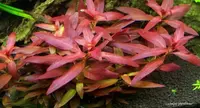
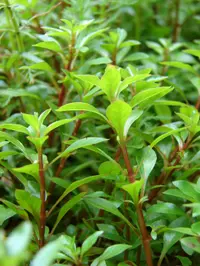
Cylindricfruit primrose-willow (Ludwigia glandulosa) is an aquatic or semi-aquatic plant known for its upright, narrow stems and striking reddish to bronze foliage. It often forms dense clumps in shallow water or along wet shorelines, giving a strong vertical accent.
In nature, it occurs in wetlands, ditches, and pond margins in parts of the southeastern United States. It can be somewhat demanding, as strong light, consistent moisture, and stable conditions are needed for the best color and growth.
Many aquarists and pond owners look for guidance on how to care for Cylindricfruit Primrose-willow because it responds quickly to changes in light, nutrients, and water quality.

Care Difficulty
Hard Care

Light Preference
Full Sun

Water Requirements
Aquatic

Temperature Preference
Tropical / Frost Sensitive

Hardiness Zone
8–11

Soil Texture
Silty, Organic-rich

Soil pH
Acidic (5.5–6.5), Slightly acidic (6.5–7.0)

Soil Drainage
Waterlogged tolerant

Fertilization
Heavy (weekly, diluted)
Scan your plant to receive care tips personalized for your specific plant
Available on iOS and Android
This aquatic plant develops its best red coloration under strong, stable light levels.
This species prefers constantly wet to submerged conditions rather than fluctuating moisture.
Stable warmth strongly supports vigorous growth and coloration in this species.
This amphibious species prefers moderate humidity but adapts to a range if roots stay consistently wet.
Ludwigia glandulosa requires waterlogged yet oxygenated, fine-textured substrate for stable growth.
This species is well suited to container culture in ponds, tubs, or large aquatic planters.
Ludwigia glandulosa benefits from modest, steady nutrition rather than heavy feeding.
Thoughtful pruning keeps Ludwigia glandulosa dense, healthy, and well-shaped.
Transplanting rather than frequent repotting suits Ludwigia glandulosa, which is often grown in ponds or aquatic containers.
New Ludwigia glandulosa plants are most commonly produced from stem cuttings under stable warm conditions.
Cold sensitivity means Ludwigia glandulosa needs thoughtful winter management in regions with freezing temperatures.

Plant Health Check
Not sure what's wrong with your plant? Check your plant's health inside the app.
This species develops its characteristic deep red to purple foliage only under strong light; in low light, the leaves stay mostly greenish and lose their ornamental value.
It is native to shallow, slow-moving waters and seasonally flooded wetlands in the southeastern United States, where it grows rooted in mud with stems and leaves emerging above or just below the water surface.
The plant has small glandular structures on its leaves and stems, which is reflected in the name glandulosa and can give the foliage a slightly sticky or dotted appearance at close inspection.

In parts of its native range, dense stands of Ludwigia glandulosa can provide important refuge for aquatic invertebrates and fry of small fish species, increasing habitat complexity in otherwise open, muddy shallows.
This species performs best outdoors in shallow water or consistently wet soil with full sun. Indoors it is difficult to maintain strong light and water conditions, so tanks or ponds under artificial lighting work better than regular houseplant setups.
Keep your plants happy and healthy with plant identification, disease detection, and easy care guidance.