


Substrate Containment
Grow this rush in a wide, shallow nursery pot or aquatic basket lined with fine mesh so its rhizomes and roots stay contained and do not invade nearby planting zones in ponds or bog beds.

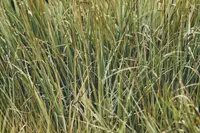
Brownfruit rush, Juncus pelocarpus, is a slender, grasslike wetland plant native to North America. It typically grows in clumps along lake shores, marshes, and boggy edges. The plant forms narrow, upright stems with small brown seed heads that give it a fine, minimalist look, often used in naturalistic or pond-side plantings. It prefers consistently moist to wet conditions, sandy or peaty soils, and full sun to light shade. Due to its need for steady moisture and specific habitat, care for brownfruit rush is easier for growers who can provide a reliably damp site or water feature.

Care Difficulty
Moderate Care

Light Preference
Full Sun

Water Requirements
Aquatic

Temperature Preference
Cold Hardy

Hardiness Zone
3–8

Soil Texture
Sandy, Silty, Organic-rich

Soil pH
Acidic (5.5–6.5), Slightly acidic (6.5–7.0)

Soil Drainage
Waterlogged tolerant

Fertilization
Minimal (feed rarely)
Scan your plant to receive care tips personalized for your specific plant
Available on iOS and Android
This wetland rush prefers abundant sun but tolerates some shade in hotter regions.
This species is adapted to saturated soils and does best with constantly moist conditions.
This rush is cold-hardy yet handles warm summers when moisture is consistent.
This semi-aquatic rush prefers high humidity and moist air conditions for healthy growth.
This species thrives in consistently wet, organic-rich substrates that resemble marsh or pond-edge conditions.
This rush can grow well in containers if moisture retention and stability are managed carefully.
This wetland rush needs only light feeding in most garden or container settings.
Pruning Juncus pelocarpus is mainly hygienic, helping maintain tidy clumps and healthy shoots.
This rush is more often transplanted in wetland or pond margins than repotted indoors.
Juncus pelocarpus is commonly propagated by division or seed to expand plantings in wet areas.
This rush is cold hardy in much of its native range and usually needs minimal winter care outdoors.

Plant Health Check
Not sure what's wrong with your plant? Check your plant's health inside the app.
This rush typically grows along sandy or peaty shorelines of lakes and slow streams, often in shallow water that fluctuates seasonally, making it an indicator of relatively undisturbed, low-nutrient wetland margins in its native range.
Its very thin, almost threadlike stems and reduced leaf blades are adaptations to life in saturated soils and shallow water, helping reduce drag from waves and ice and limiting tissue that could be damaged by flooding.
The species has a scattered distribution across northern North America, with populations in parts of the northeastern US, the Great Lakes region, and Canada, reflecting its preference for cool climates and specific shoreline microhabitats.
The species epithet pelocarpus refers to its fruit, which often becomes partially buried or embedded in soft, muddy substrates, a feature linked to how its seeds settle and persist in shifting shoreline sediments.
This species performs much better outdoors in consistently moist to wet ground, along pond margins, or in shallow water. Indoors it is difficult to keep humidity, light, and water regimes stable enough for long‑term health.
Keep your plants happy and healthy with plant identification, disease detection, and easy care guidance.

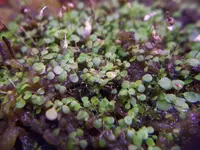
striped bladderwort
Utricularia striatula
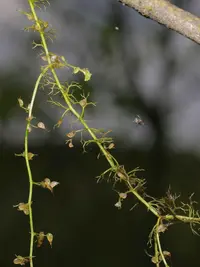
lesser bladderwort
Utricularia minor
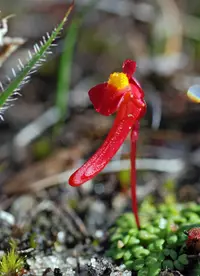
Redcoats
Utricularia menziesii
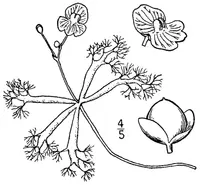
little floating bladderwort
Utricularia radiata
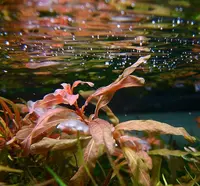
Ludwigia inclinata var. verticillata 'Pantanal'
Ludwigia inclinata
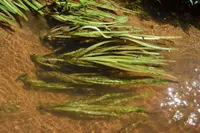
American eelgrass
Vallisneria americana
Cape pondweed
Aponogeton distachyos
Bladderwort
Utricularia australis