Cape pondweed Care (Aponogeton distachyos)

Also known as: Common Waterblommetjie, water hawthorn, Cape Hawthorn
Cape pondweed

About Cape pondweed

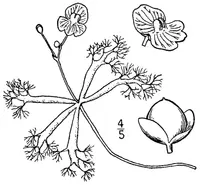
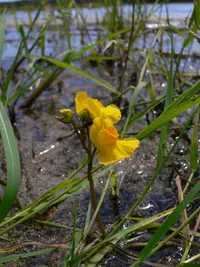
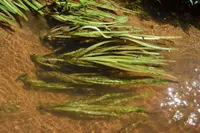
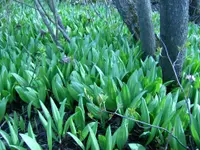
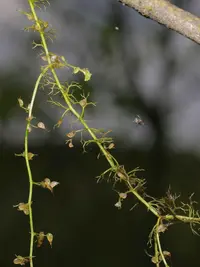
Cape pondweed, Aponogeton distachyos, is an aquatic perennial grown mainly for its floating, lance-shaped leaves and distinctive white, vanilla-scented flowers. It typically forms clumps in still or slow-moving water, creating a spreading mat at the surface.

This species is native to South Africa but is widely used in ornamental ponds in temperate regions. It is considered relatively easy to grow if its need for cool water and full sun to light shade is met.

It prefers clean, still or gently moving water and a rich, muddy substrate rather than regular garden soil. Understanding these natural conditions helps clarify how to care for Cape pondweed.

Main Plant Requirements

Care Difficulty

Moderate Care

Light Preference

Full Sun

Water Requirements

Aquatic

Temperature Preference

Cool Climate

Hardiness Zone

6–9

Soil Texture

Loamy, Silty, Organic-rich

Soil pH

Slightly acidic (6.5–7.0), Neutral (7.0)

Soil Drainage

Waterlogged tolerant

Fertilization

Light (every 4–6 weeks)

Get Personalized Care Plan

Scan your plant to receive care tips personalized for your specific plant

Available on iOS and Android

How to Care for the Cape pondweed

This aquatic plant thrives in bright conditions but benefits from protection from intense midday sun.

  • Provide 4–6 hours of direct morning sun or late-afternoon sun, with dappled or filtered light at midday to prevent leaf scorch on Cape pondweed leaves.
  • Site ponds so plants receive partial shade from taller vegetation or structures, especially in hot climates with strong summer sun.
  • In winter, shorter days reduce flowering; in cooler regions, choose the sunniest pond position available to support growth and bud formation.

This species is a true aquatic plant that prefers consistently submerged, still or slow-moving water.

  • Grow in ponds or water features where the crown sits 15–45 cm below the surface, keeping leaves and flowers floating at the top.
  • Water level should stay stable; sudden drops leaving tubers exposed cause drying and stress, while deep flooding that buries foliage reduces vigor.
  • Signs of poor conditions in Aponogeton distachyos include yellowing or rotting leaves from stagnant, foul water, or crisp, collapsing foliage if water recedes and soil stays dry.

This aquatic plant prefers cool to mild water and air temperatures for strongest growth and flowering.

  • Optimal growth occurs around 50–68°F (10–20°C); flowering is often best in cool spring and autumn conditions rather than peak summer heat.
  • Tolerates brief dips near 32°F (0°C) if tubers are protected under water, but repeated hard frosts can damage exposed crowns and young leaves.
  • Heat tolerance extends to about 77–82°F (25–28°C) if water is deep enough and shaded; in hotter climates, provide more shade and water circulation to prevent overheating.

This aquatic species relies on water immersion, so ambient air humidity is rarely a limiting factor.

This plant grows best rooted in a submerged, rich, silty substrate rather than typical potting soil.

  • Use 10–15 cm of heavy loam or clay garden soil capped with 2–4 cm of rinsed sand or fine gravel to anchor tubers.
  • Ensure the pond or container has minimal water movement near the roots so fine particles are not washed away.
  • Maintain slightly acidic to neutral conditions, roughly pH 6.5–7.5, for stable nutrient availability for Aponogeton distachyos.
  • Avoid peat-based or very light, fluffy mixes that float, cloud the water, or allow tubers to rise out of the substrate.

This species is very suitable for growing in large water containers or tubs outdoors.

  • Choose a wide, low container at least 25–30 cm deep so tubers can sit below the water surface while leaves and flowers reach up freely.
  • Use a sturdy, frost-resistant container that will not crack or tip when filled with water and heavy substrate.
  • Line the container with a planting basket or fine mesh to keep substrate contained while allowing easy seasonal removal of Cape pondweed if needed.

This aquatic perennial benefits from moderate feeding in containers and nutrient-poor ponds.

  • Use a balanced slow-release aquatic fertilizer or aquatic tablets instead of loose compost to avoid water fouling.
  • Feed every 4–6 weeks during active growth in spring–summer, placing tablets deep near the tuber.
  • Apply at 1/2–3/4 the label rate for pond plants to reduce algae and leaf burn risk.
  • Stop feeding when Cape pondweed enters dormancy in late fall and through winter.

Targeted pruning keeps Aponogeton distachyos healthy, tidy, and flowering well.

  • Cut yellowing, decaying, or damaged leaves at the base with clean scissors to limit rot in the water.
  • Remove spent flower spikes just above the waterline to redirect energy to new leaves and blooms.
  • Thin crowded foliage in dense plantings to maintain light penetration and good water circulation.
  • Inspect during the main growing season and trim small amounts at a time to avoid stressing the plant.

This aquatic species is often grown in baskets or shallow containers for easy placement and control.

  • Transplant or divide every 2–3 years when growth slows, leaves crowd, or roots and tubers fill the basket.
  • Best timing is early spring before strong new growth, so the plant can re-establish quickly in warmer water.
  • Lift the basket gently, rinse away excess silt, and handle tubers carefully to avoid snapping brittle roots.
  • Replant into a slightly larger mesh basket with heavy loam, cover tubers lightly, and submerge gradually to reduce shock.

New plants are most commonly produced from division and seed, rather than from cuttings.

  • Divide tubers in early spring, ensuring each section has at least one growing point and some roots attached.
  • Plant divisions in heavy loam in aquatic baskets, then submerge in shallow, calm water with good light.
  • For seed, collect mature pods, sow fresh in trays of shallow water, and maintain 64–72°F for germination.
  • Thin seedlings once true leaves appear, then move the strongest young plants into individual pond baskets.

This pond plant is fairly cold tolerant but still benefits from thoughtful winter management in colder areas.

  • In mild climates, allow foliage to die back naturally while the submerged tuber overwinters at pond bottom.
  • Where water may freeze deeply, move baskets to the deepest unfrozen zone or to a cool indoor tank.
  • For marginal plantings in soil, add 5–8 cm of mulch over the root zone to buffer freeze–thaw cycles.

Care Tips

Seasonal Water Level

In outdoor ponds, lower the water level slightly in late fall so the tubers sit deeper and more insulated from frost, then top it back up in spring as new growth appears.

Rotting Leaf Removal

Inspect the plant weekly and remove yellowing or slimy leaves with clean scissors to maintain water quality and reduce the risk of fungal problems around the tubers.

Tubers Over Division

Instead of frequent division, allow a few strong tubers to establish and simply thin weak or overcrowded ones every 2–3 years to keep flowering consistent and vigorous.

Fish And Snail Balance

Keep herbivorous fish and snails at moderate densities so they help clean algae from leaves without stripping new growth or chewing flower spikes.

Cold Rest Management

In very cold climates, lift the tubers in late fall, store them moist in a breathable bag with damp sand at 40–50°F, and replant in spring to support long-term success when growing Cape pondweed.

Common Pests and Diseases

Leaf miners

This pest tunnels inside the submerged leaves, creating pale, winding trails that eventually cause the leaf to yellow and disintegrate. Damage is more common in outdoor ponds where flying adults can access the foliage above water.

Solution

Remove and discard affected leaves to break the life cycle, and skim any floating debris from the pond surface. Encourage natural predators by avoiding broad-spectrum pond chemicals, and if damage is heavy, use a pond-safe, systemic insecticide labeled for leaf miners on aquatic ornamentals, following local regulations and dosage carefully.

Pond snails

These insects are often introduced with new plants and can graze heavily on the soft leaves and flower stalks, leaving irregular holes and ragged edges. Symptoms include slow decline of foliage and visible snails or egg masses on leaves, pots, or pond walls.

Solution

Hand-pick snails and scrape off egg clusters regularly, especially from young Cape pondweed leaves and crowns. In contained ponds or tubs, use physical barriers, snail traps, or introduce appropriate biological control (such as certain fish species) while monitoring carefully so the snails do not outcompete or overgraze the plant.

Algal overgrowth

This disease is not caused by a pathogen but by nutrient and light imbalance that allows filamentous or blanket algae to smother leaves and stems. Symptoms include a green, slimy coating or long strands of algae that reduce light reaching the plant and impede gas exchange.

Solution

Shade part of the pond, reduce direct sun to around 4–6 hours where possible, and limit nutrient input by feeding fish lightly and avoiding fertilizer excess. Manually remove algae, increase water movement or aeration, and, if needed, use pond-safe algaecides at the lowest effective dose while monitoring Aponogeton distachyos for stress.

Crown rot

This disease affects the growing point where leaves and roots meet, often after prolonged warm, stagnant, or organically polluted water. Symptoms include soft, brown, foul-smelling tissue at the crown and sudden collapse of leaves despite apparently adequate water depth.

Solution

Lift and discard severely affected plants, and remove decaying plant matter and sludge from the pond to lower organic load. For mild cases, trim all soft tissue back to firm, white growth, improve water circulation, keep water cooler where possible, and avoid over-fertilizing or crowding plants around the crown.

Water lily aphids

These insects colonize the emergent leaves and flower spikes, sucking sap and causing distortion, sticky honeydew, and sooty mold on above-water parts. Infestations are most visible on buds and the upper surfaces of floating or emergent leaves.

Solution

Rinse aphids off with a gentle but firm stream of clean water, directing insects into the pond where fish can eat them. For persistent infestations, treat emergent parts with a low-toxicity insecticidal soap or horticultural oil labeled for aquatic-adjacent use, keeping sprays off open water as much as possible and repeating at 5–7 day intervals if needed.

Interesting Facts

Night-scented waterblooms

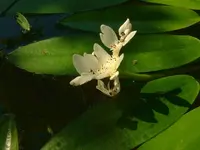
The floating white flowers open mainly in the late afternoon and evening and release a strong vanilla-like fragrance that attracts nocturnal pollinators in their native South African wetlands.

Edible aquatic seeds

The plant produces corky, floating fruits containing seeds that have traditionally been eaten in South Africa, where the whole plant is known as waterblommetjie and used in regional cuisine.

Cool-season water plant

Unlike many tropical aquatics, this species grows and flowers best in cool water and often goes dormant in mid-summer heat, resuming active growth in cooler seasons.

Botan icon

Did you know?

This species was introduced to Europe in the 17th century and became naturalized in mild-climate regions such as parts of the United Kingdom and western Europe, where it sometimes persists in ponds and slow waterways far from its native Cape region of South Africa.

FAQs about Cape pondweed

Lack of flowers usually comes from water that is too warm or too shaded, or from nutrient-poor conditions. This plant flowers best in cool, clean, still water with moderate nutrients and several hours of light.

Grow Healthy Plants with Botan Care

Keep your plants happy and healthy with plant identification, disease detection, and easy care guidance.

Botan plant care app — identify plants on mobile

Explore More Plants