Harvest To Stimulate
Begin light harvesting once stems reach 15–20 cm, always leaving at least 1/3 of the foliage so the plant responds by branching and producing denser, more tender new growth.

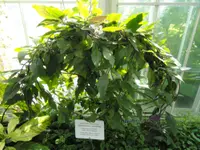
Longevity spinach (Gynura procumbens) is a fast-growing leafy perennial often used as an edible groundcover or container plant. It belongs to the daisy family but is grown for its foliage, not its flowers.
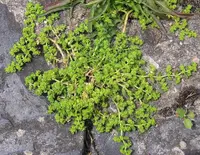
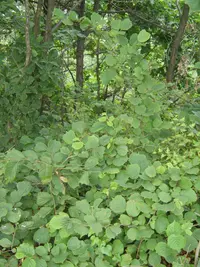
The plant forms low, spreading mounds of soft, bright to dark green leaves that can be lightly toothed. In warm climates it stays evergreen and can root where stems touch the soil.
It is native to Southeast Asia and thrives in warm, humid conditions. It is generally easy to grow if protected from cold, given partial sun, and kept in moist, well-drained soil.
For beginners, it is a forgiving plant, so learning how to care for longevity spinach is straightforward once its preference for warmth and regular moisture is understood.

Care Difficulty
Easy Care

Light Preference
Partial Sun

Water Requirements
Regular Water

Temperature Preference
Tropical / Frost Sensitive

Hardiness Zone
10–11

Soil Texture
Loamy, Sandy, Organic-rich

Soil pH
Acidic (5.5–6.5), Slightly acidic (6.5–7.0)

Soil Drainage
Moist but well-drained

Fertilization
Light (every 4–6 weeks)
Scan your plant to receive care tips personalized for your specific plant
Available on iOS and Android
Gynura procumbens grows best with bright, indirect light and mild direct sun exposure.
This species prefers consistently slightly moist soil but does not tolerate waterlogged conditions.
This plant grows best in warm, frost-free conditions typical of tropical to subtropical climates.
This species grows well in moderate room humidity but benefits from slightly moist air.
Gynura procumbens prefers a loose, airy, organic-rich substrate with fast drainage.
This spreading herb is well suited to container growing.
Gynura procumbens benefits from light, consistent nutrition during active growth.
Pruning Gynura procumbens helps maintain a compact, leafy plant with good air flow.
Container-grown plants appreciate occasional repotting to refresh soil and support vigorous growth.
This species is most often propagated from softwood stem cuttings for consistent results.
This plant is frost-sensitive and needs mild, protected conditions in cooler climates.

Plant Health Check
Not sure what's wrong with your plant? Check your plant's health inside the app.
This species develops soft, slightly succulent leaves that are commonly eaten raw or lightly cooked as a leafy vegetable in parts of Southeast Asia, unlike many ornamental Gynura species that are not used as food crops.
The plant is native to lowland tropical regions of Southeast Asia, where it naturally grows as a sprawling understory herb in warm, humid habitats with bright but filtered light.
In the wild, its long, creeping stems root readily at the nodes when they touch moist soil, allowing the plant to form dense colonies and quickly occupy open ground, a growth habit useful to understand for Gynura procumbens plant care.
Yellowing leaves usually come from overwatering, poor drainage, nutrient imbalance, or natural aging of older foliage. Check that the pot drains freely, reduce watering if soil stays wet, and provide regular, balanced feeding during active growth.
Keep your plants happy and healthy with plant identification, disease detection, and easy care guidance.