Amaioua guianensis Care

About Amaioua guianensis

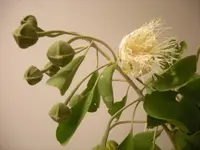
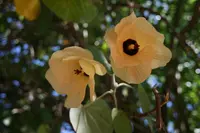
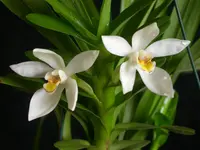
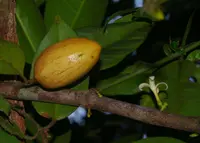
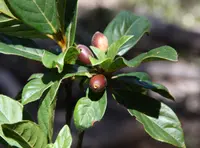
Amaioua guianensis is a tropical shrub or small tree in the coffee family, native to lowland rainforests of northern South America and parts of Central America. It forms a dense, multi-branched crown with glossy green leaves and small white flowers, followed by rounded fruits that attract wildlife.

In its natural habitat it grows in warm, humid conditions with consistent soil moisture and partial shade to filtered sun. Gardeners who care for Amaioua guianensis should note that it prefers well-drained, organic-rich soil and protection from cold or drying winds, which makes it better suited to frost-free climates or specialized collections.

Main Plant Requirements

Care Difficulty

Moderate Care

Light Preference

Partial Shade

Water Requirements

Moderate Water

Temperature Preference

Tropical / Frost Sensitive

Hardiness Zone

11–12

Soil Texture

Loamy, Sandy, Organic-rich

Soil pH

Acidic (5.5–6.5)

Soil Drainage

Moist but well-drained

Fertilization

Minimal (feed rarely)

Get Personalized Care Plan

Scan your plant to receive care tips personalized for your specific plant

Available on iOS and Android

How to Care for the Amaioua guianensis

This tropical shrub prefers bright conditions with some protection from intense midday sun.

  • Provide 4–6 hours of direct morning sun with light afternoon shade, or bright dappled light under taller trees.
  • Tolerates partial shade (2–4 hours direct sun) but flowering and fruiting of Amaioua guianensis may decrease in too much shade.
  • In hot summers, shield from harsh sun between 11 a.m. and 3 p.m. to reduce leaf scorch, and monitor for sparse, leggy growth as a sign of insufficient light.

Watering should keep the soil consistently moist but never stagnant.

  • Allow the top 2–4 cm of soil to dry slightly before the next deep watering, then soak the root zone thoroughly.
  • Use well-drained, organic-rich soil; prolonged puddling or sour smell around roots indicates poor drainage and risk of rot in Amaioua guianensis.
  • In hot, dry periods, increase frequency if leaves lose turgor or curl, and in cooler or rainy seasons reduce watering to prevent yellowing leaves and soft stems from overwatering.

This species thrives in warm, frost-free tropical to subtropical climates.

  • Aim for 70–86°F (21–30°C) for active growth; short peaks up to about 95°F (35°C) are tolerated if soil moisture is stable.
  • Avoid temperatures below 50°F (10°C); exposure near 41–45°F (5–7°C) can slow growth, cause leaf drop, and increase disease susceptibility.
  • Protect from frost and cold winds; in marginal climates, plant in a sheltered microclimate and monitor autumn and spring cold snaps that may damage young shoots.

This tropical shrub prefers consistently moist air and reacts to extended dryness.

  • Aim for 60–80% humidity using grouped plants, trays with water and pebbles, or a room humidifier.
  • It tolerates brief dips to 40–50% but prolonged dry air leads to brown leaf tips and marginal scorch.
  • Increase humidity if new leaves emerge small or curl at the edges, or if buds dry and drop prematurely.

This species grows best in loose, aerated, slightly acidic to neutral soil that drains freely yet retains some moisture.

  • Use a mix of 40% compost, 40% loam, and 20% coarse sand or perlite to balance moisture retention and drainage.
  • Keep pH around 6.0–7.0; amend alkaline ground with peat or leaf mold to reduce pH gradually.
  • Improve aeration by incorporating chunky organic matter such as fine bark or coconut husk chips, especially in heavier soils.
  • Avoid compacted clay, waterlogged spots, or pure sand where roots of Amaioua guianensis cannot access steady moisture and oxygen.

This species can be grown in containers if the pot supports deep, spreading roots and steady moisture balance.

  • Choose a tall, relatively deep pot to accommodate its strong taproot and reduce tipping in windy sites.
  • Select a heavier material such as ceramic or thick-walled terracotta to stabilize vigorous top growth outdoors.
  • Ensure drainage holes clear quickly and elevate the pot slightly so runoff cannot pool under the container base.

This species is a nutrient-moderate tropical tree, so thoughtful feeding supports steady growth without forcing soft, weak tissue.

  • Use a balanced slow-release fertilizer (around 10-10-10) or well-rotted compost at the start of the warm growing season for Amaioua guianensis.
  • Apply granular or slow-release products lightly into the topsoil, avoiding direct contact with the trunk and main roots.
  • Feed 1–2 times during the active season only, then stop or reduce to very light compost topdressing in cooler months or dormancy.
  • If using liquid fertilizer, dilute to 1/2 strength and apply to moist soil to reduce root burn risk.

Pruning helps maintain structure, remove weak growth, and keep this small tree safe and manageable in landscapes.

  • Schedule pruning at the end of the dry or cool season, just before active growth starts, to reduce stress on Amaioua guianensis.
  • Remove dead, diseased, crossing, or storm-damaged branches first, cutting back to healthy tissue or a side branch.
  • Thin congested interior twigs to improve air flow and light penetration, which lowers disease risk and maintains a balanced crown.
  • Use clean, sharp bypass pruners or a pruning saw, making smooth cuts just outside the branch collar without leaving stubs.

This species is usually grown in the ground, so transplanting young trees correctly is more important than frequent repotting.

  • Transplant in late spring or early summer when soil is warm and the plant can re-establish quickly, especially for Amaioua guianensis.
  • Look for circling roots, poor drainage, or slowed growth in containers as signs a larger pot or ground planting is needed.
  • Move up only 1 container size or into a well-prepared planting hole with loose, organically enriched soil to limit transplant shock.
  • Water thoroughly after moving, keep soil evenly moist but not waterlogged for several weeks, and shade lightly in very hot, dry weather.

Propagation is usually done from seed, with vegetative methods less documented and more experimental for home growers.

  • Collect ripe fruits from Amaioua guianensis, clean seeds, and sow them fresh for best viability.
  • Sow seeds in a sterile, well-drained mix, keep at 75–85°F, and maintain consistently moist but not saturated conditions.
  • Provide bright, indirect light and good air flow; germination may be slow and uneven, so label and monitor trays carefully.
  • Semi-hardwood cuttings in warm, humid conditions with rooting hormone can be tried, though success rates may be variable.

This lowland tropical tree is frost sensitive and needs protection in climates with cool or freezing winters.

  • In frost-free areas, Amaioua guianensis generally needs only basic care and mulch to stabilize soil moisture in winter.
  • In marginal climates, apply a 5–8 cm organic mulch layer around the root zone, keeping it slightly away from the trunk.
  • For container plants, move indoors or into a greenhouse before temperatures drop near 40°F, giving bright, indirect light and reduced watering.

Care Tips

Deep root establishment

During the first 2–3 years, give one slow, deep watering at the drip line every 10–14 days in the warm season rather than frequent light splashes to encourage a deep, wind‑resistant root system.

Wind and form training

In exposed sites, loosely stake young trunks on the windward side and remove lower side shoots gradually over 1–2 seasons to develop a straight, self-supporting framework.

Mulch management

Maintain a 5–8 cm layer of coarse organic mulch in a 60–90 cm radius around the base, keeping it 5–8 cm away from the trunk to stabilize soil moisture and reduce weed competition.

Targeted structural pruning

Inspect annually and remove only crossing, inward-growing, or weakly attached branches, keeping the canopy open enough that dappled light reaches inner foliage to reduce fungal issues.

Soil moisture monitoring

In the first warm season after planting, insert a soil probe or narrow trowel 15–20 cm deep near the root zone every 1–2 weeks to verify that the mid-profile stays evenly moist but not waterlogged when growing Amaioua guianensis.

Common Pests and Diseases

Leaf miners

This pest tunnels inside young leaves, creating pale winding trails and distorted foliage on seedlings and saplings. Damage is most common on plants growing at the forest edge or in full sun plantings.

Solution

Remove and destroy affected leaves to reduce the larval population, then monitor new flushes of growth closely. If damage is heavy, apply a targeted systemic insecticide or neem-based product to young foliage and maintain good plant vigor through regular watering and mulch so the plant can outgrow minor injury while following general Amaioua guianensis care instructions.

Scale insects

These insects attach to stems and leaf undersides, sucking sap and causing yellowing, stunted growth, and sticky honeydew that may attract sooty mold. Infestations occur mainly on cultivated trees and shrubs in warm, humid sites.

Solution

Prune out heavily infested twigs and wipe remaining colonies with a cloth dipped in dilute alcohol or insecticidal soap. For larger plants, use an oil spray during mild weather to smother scale, and encourage natural predators by avoiding broad-spectrum insecticides.

Whiteflies

These insects cluster on the undersides of leaves, flying up in small clouds when disturbed and causing leaf yellowing and drop. Symptoms include sticky honeydew on foliage and surrounding surfaces, which can lead to sooty mold growth.

Solution

Regularly shake branches and use a strong stream of water to dislodge adults and nymphs, focusing on leaf undersides. In nursery or landscape settings, combine yellow sticky traps with repeated applications of insecticidal soap or neem oil, ensuring thorough coverage in the cooler parts of the day.

Anthracnose

This disease causes small dark leaf spots that may enlarge into irregular lesions with tan centers and darker margins, sometimes leading to premature leaf drop on young trees. Symptoms include more severe spotting during warm, wet weather or on poorly ventilated sites.

Solution

Prune and dispose of infected leaves and twigs, and avoid overhead irrigation to keep foliage as dry as possible. Improve airflow around the plant and, in high-value plantings, apply a copper-based or other labeled fungicide at the start of warm, rainy periods.

Leaf spot complex

This disease group includes several fungi that create scattered brown to black spots on leaves, which may coalesce and cause partial defoliation in humid climates. Symptoms include more intense spotting on shaded, slow-drying foliage or nutritionally stressed plants.

Solution

Collect and discard fallen leaves to reduce fungal spores, and maintain an open canopy with light pruning to speed leaf drying. If spotting is recurrent and severe, use a preventative fungicide labeled for ornamental trees at the beginning of the rainy season and support plant health with balanced fertilization and adequate soil moisture.

Interesting Facts

Amazon understory shrub

This species is a small understory tree or shrub native to lowland rainforests of northern South America, where it grows in warm, humid, partially shaded habitats rather than in open, exposed sites.

White, tubular flowers

It produces small white tubular flowers typical of the coffee family Rubiaceae, which are visited by insects that transfer pollen between plants.

Fleshy bird-dispersed fruits

Its fleshy fruits are eaten by birds and other animals in the Amazon, which then disperse the seeds through their droppings, helping maintain genetic exchange among distant populations and supporting growing Amaioua guianensis in fragmented forest landscapes.

FAQs about Amaioua guianensis

This small tree has a moderate growth rate. In warm, frost-free climates it typically adds about 20–40 cm of height per year, faster in deep, consistently moist, fertile soils and slower in compacted or drought-prone sites.

Grow Healthy Plants with Botan Care

Keep your plants happy and healthy with plant identification, disease detection, and easy care guidance.

Botan plant care app — identify plants on mobile

Explore More Plants