Bumble Tree Care (Capparis mitchellii)

Also known as: Wild Orange, Bimbil
Bumble Tree

About Bumble Tree

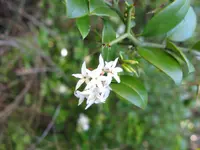
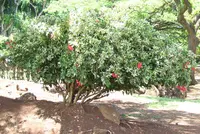
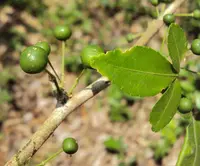
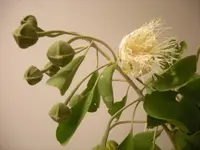
Bumble tree, Capparis mitchellii, is a slow-growing, drought-tolerant shrub or small tree native to arid and semi-arid regions of inland Australia. It usually stays compact, with a gnarled trunk, small tough leaves, and rounded yellow fruits that split to reveal bright seeds.

This species is adapted to poor, dry soils and strong sun, which makes it hardy once established but slower and more challenging in typical garden conditions. It generally prefers full light, well-drained soil, and low to moderate moisture. Gardeners who care for Bumble Tree need patience, as growth is gradual and transplanting can be sensitive.

Main Plant Requirements

Care Difficulty

Moderate Care

Light Preference

Full Sun

Water Requirements

Low Water

Temperature Preference

Warm Climate

Hardiness Zone

9–11

Soil Texture

Sandy, Loamy, Rocky

Soil pH

Slightly acidic (6.5–7.0), Slightly alkaline (7.0–7.5)

Soil Drainage

Well-drained

Fertilization

Minimal (feed rarely)

Get Personalized Care Plan

Scan your plant to receive care tips personalized for your specific plant

Available on iOS and Android

How to Care for the Bumble Tree

Capparis mitchellii thrives in strong sun typical of arid and semi‑arid regions.

  • Provide 6–10 hours of direct sun daily; full sun is ideal for compact growth and flowering of the Bumble Tree.
  • Allow light afternoon shade in very hot inland areas to reduce leaf scorch, especially on young plants or during heatwaves.
  • Avoid deep shade; plants in less than 4 hours of direct sun become sparse, flower poorly, and may be more prone to pests.

This drought-adapted shrub prefers infrequent, deep watering and very free-draining soil.

  • Water only when the top 5–8 cm of soil is completely dry; in-ground plants often need no summer watering once established.
  • During the first 1–2 years, water deeply then allow the soil to dry fully, reducing frequency in winter and after heavy rain.
  • Capparis mitchellii shows overwatering through yellowing, soft leaves and dieback, while underwatering leads to limp, curled foliage that recovers after deep soaking.

This species is adapted to hot, dry climates but has limits at both cold and extreme heat.

  • Aim for active growth in 70–95°F (21–35°C); it tolerates short spikes to about 105°F (40°C) if soil is not waterlogged.
  • Protect from frost; foliage is damaged around 30°F (−1°C), and hard freezes below 25°F (−4°C) may kill young plants.
  • In cooler regions, choose a warm, sheltered microclimate that avoids cold drains and strong winter winds to reduce stress.

Humidity is not a major factor for Capparis mitchellii, which is adapted to dry inland climates.

  • Target 30–50% humidity, as the Bumble Tree naturally copes well with arid conditions.
  • Dry indoor air is usually tolerated, but prolonged >60% humidity can promote fungal issues on young growth.
  • Watch for black spotting or persistent surface mold on potting mix as signs humidity is too high and improve air movement rather than misting.

Capparis mitchellii prefers mineral, fast-draining soil that mimics its native arid habitats.

  • Use a gritty, sandy mix such as 50–60% coarse sand or fine gravel with 40–50% loam-based potting mix.
  • Ensure very sharp drainage; water must pass through quickly without pooling, or roots may suffocate and rot.
  • Aim for slightly alkaline to neutral pH (7.0–8.0), avoiding strongly acidic mixes rich in peat.
  • For containers, improve aeration by adding coarse material (pumice, scoria, or crushed gravel) and avoid dense, water-retentive composts.

This species can be grown in containers, especially in dry, sunny outdoor positions.

  • Choose a deep, heavy container to anchor the woody root system and prevent wind rock as the shrub matures.
  • Use a pot with multiple drainage holes so water exits quickly, then elevate the base on pot feet to avoid waterlogging.
  • Select light-colored pots in very hot climates to reduce root-zone overheating from intense sun on the container walls.

Capparis mitchellii is adapted to low-nutrient soils and usually needs only light feeding in cultivation.

  • For container or poor-soil plants, use a balanced slow-release fertilizer (e.g., 10-10-10) at half strength in spring.
  • Apply once at the start of the warm growing season; avoid frequent repeat doses.
  • In summer, supplement with a light top-dressing of compost if growth appears weak.
  • Stop feeding Bumble Tree in late fall and keep soil nutrition steady but lean over winter.

Pruning Capparis mitchellii is mainly done to maintain structure and remove damaged growth.

  • Carry out light pruning in late winter or early spring before active growth starts.
  • Remove dead, diseased, crossing, or inward-growing branches to improve airflow and light penetration.
  • Shorten overly long shoots to maintain a compact, balanced canopy without heavy cutting.
  • Use sharp, clean bypass pruners and make cuts just above a bud or side branch to limit stress.

This species is more often transplanted in the ground than grown long term in containers.

  • Transplant young plants in late winter to early spring when soil is moist and temperatures are mild.
  • Look for signs such as roots circling the pot, tight root mass, or stunted growth before shifting to a larger container or planting site.
  • Disturb the roots as little as possible; gently loosen only the outer roots and keep the root ball intact.
  • Water thoroughly after transplanting, provide light shade and wind protection for 1–2 weeks, and avoid heavy pruning at the same time.

Capparis mitchellii is usually propagated from seed, which can be slow and somewhat variable.

  • Collect fully ripe fruit, clean seeds, and sow in late winter to early spring.
  • Scarify hard seed coats lightly with sandpaper and soak in warm water for 12–24 hours to improve germination.
  • Use a free-draining, sandy mix and maintain warm temperatures around 70–80°F with moderate moisture, not waterlogging.
  • Seedlings benefit from strong light and careful watering; transplant only once roots are well established.

This drought-adapted shrub is moderately frost tolerant and usually needs minimal winter care in mild climates.

  • In areas with light frost, no special action is typically required once the plant is established.
  • In colder regions, mulch lightly around the root zone to buffer rapid soil temperature swings, keeping mulch off the trunk.
  • For container-grown plants in frost-prone zones, move pots to a sheltered porch or unheated greenhouse during hard freezes.

Care Tips

Encourage Deep Roots

Plant young shrubs in a slightly raised mound and keep the root zone weed-free and unmulched so the crown stays dry and the plant develops a deep, drought-resilient root system.

Protect From Heavy Soils

In clay or compacted sites, install the plant on a low berm or in a raised bed with a free-draining mix to prevent waterlogging, which this species tolerates poorly.

Minimal Disturbance Zone

Avoid cultivating, digging, or frequent foot traffic within 30–40 cm of the trunk to protect brittle feeder roots and reduce transplant shock or decline.

Heat and Wind Hardening

Over 2–3 weeks, gradually expose nursery plants to full sun and drying winds before planting out to reduce leaf scorch and improve establishment when growing Bumble Tree.

Flower And Fruit Monitoring

During flowering and fruiting, regularly check for insect damage or fungal spots on buds and fruits so any pest or disease issues are treated early, before they affect the next season’s crop.

Common Pests and Diseases

Caper white caterpillars

This pest feeds on young leaves, buds, and sometimes flowers, leaving ragged edges and holes. Symptoms include defoliation on new growth and visible green‑and‑white caterpillars and clusters of yellow eggs on leaf undersides.

Solution

Hand-pick caterpillars and remove egg clusters from leaves, then dispose of them in soapy water. For heavier outbreaks, use a targeted biological spray containing Bacillus thuringiensis (Bt) in the late afternoon and encourage natural predators such as birds by avoiding broad-spectrum insecticides.

Scale insects

These insects attach to stems and leaf veins as small, dome-shaped bumps and suck plant sap, which can cause yellowing leaves and reduced vigor. Sticky honeydew and sooty mold may appear on leaves and nearby surfaces.

Solution

Wipe affected stems with a cloth or cotton swab dipped in isopropyl alcohol to remove individual scale, then prune heavily infested twigs. For ongoing Capparis mitchellii plant care outdoors, support beneficial insects like lady beetles and apply a light horticultural oil spray during mild weather to smother remaining scale, coating stems and leaf undersides thoroughly.

Leaf spot

This disease causes small brown, tan, or dark spots on leaves that may expand and merge, sometimes leading to premature leaf drop. Symptoms include more severe spotting after extended humid or rainy periods, especially on dense, unpruned plants.

Solution

Remove and discard affected leaves from the plant and ground to reduce spores, and avoid overhead watering to keep foliage as dry as possible. Improve airflow by light pruning, and if spotting continues in wet seasons, apply a copper-based fungicide according to label directions, focusing on young leaves and interior canopy surfaces.

Interesting Facts

Desert rain specialist

This arid-zone shrub often flowers and fruits in response to irregular rainfall events rather than strict seasons, a strategy that helps it exploit short windows of good conditions in Australia’s inland deserts and dry woodlands.

Larval food for caper white

The native butterfly Belenois java (caper white) uses this species as a larval host plant, with caterpillars feeding on its foliage during episodic population booms that can lead to large regional migrations.

Deep-rooted survivor

Mature plants develop very deep and wide root systems that tap into subsoil moisture, allowing them to withstand long drought periods on rocky slopes, sand plains, and gibber country in central Australia.

Botan icon

Did you know?

The edible yellow fruits, commonly called bush capers or native pomegranates, have long been used as traditional bush tucker by Aboriginal communities, who value both the sweet aromatic pulp and the seeds as an important seasonal food in inland Australia.

FAQs about Bumble Tree

Poor flowering often comes from insufficient heat, light, or plant age. This species usually needs several years to mature, warm conditions, and seasonal dryness. Avoid heavy pruning of young wood, and do not overfertilize with high‑nitrogen products.

Grow Healthy Plants with Botan Care

Keep your plants happy and healthy with plant identification, disease detection, and easy care guidance.

Botan plant care app — identify plants on mobile

Explore More Plants