Guadeloupe cucumber Care (Melothria pendula)

Also known as: creeping cucumber
Guadeloupe cucumber

About Guadeloupe cucumber

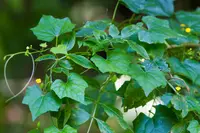
Guadeloupe cucumber, Melothria pendula, is a small vining plant in the cucumber family that produces tiny, dark green, grape-sized fruits. It often scrambles over low vegetation or fences and can self-seed readily where conditions suit it.

This species is native to the Americas, from the southern United States through Central and parts of South America, and it often appears as a volunteer in warm, disturbed sites. Its fast growth and ability to spread can make it weedy in gardens, so care for Guadeloupe cucumber includes monitoring unwanted seedlings.

The plant prefers warmth, moderate moisture, and well-drained soil, and it tolerates light shade but fruits best with good light exposure.

Main Plant Requirements

Care Difficulty

Moderate Care

Light Preference

Partial Sun

Water Requirements

Moderate Water

Temperature Preference

Warm Climate

Hardiness Zone

8–11

Soil Texture

Sandy, Loamy, Organic-rich

Soil pH

Acidic (5.5–6.5), Slightly acidic (6.5–7.0)

Soil Drainage

Moist but well-drained

Fertilization

Minimal (feed rarely)

Get Personalized Care Plan

Scan your plant to receive care tips personalized for your specific plant

Available on iOS and Android

How to Care for the Guadeloupe cucumber

This vining species prefers bright, warm conditions similar to other summer annual cucurbits.

  • Provide 4–6 hours of direct morning sun with light afternoon shade; in hotter regions, give filtered light after 1–2 p.m. to prevent leaf scorch.
  • Tolerates partial shade (2–4 hours sun) but fruiting Guadeloupe cucumber vines may be reduced and internodes become longer and sparser.
  • In spring and fall, maximize sun exposure; in midsummer, watch for pale, crispy leaf edges as a sign of excessive sun and yellow, weak growth as a sign of insufficient light.

This species prefers evenly moist but not saturated soil during its active growing season.

  • Allow the top 2–4 cm of soil to dry before watering again; use your finger to check moisture rather than following a fixed schedule.
  • Ensure soil drains freely; prolonged puddling or a sour smell indicates poor drainage and raises risk of root rot and yellow, limp foliage.
  • In hot summer, expect faster drying and more frequent watering, while in cooler late season growth slows, leaves may wilt less, and watering needs drop.

This warm-season vine grows best under stable, frost-free outdoor conditions.

  • Aim for 70–85°F (21–29°C) for strong vegetative growth and flowering; growth slows noticeably below about 65°F (18°C).
  • Protect from frost; tissue damage can occur near 32°F (0°C), and plants are usually killed by a hard freeze below 28°F (-2°C).
  • The plant tolerates brief heat up to 95°F (35°C) if soil moisture is maintained, but long hot, dry spells can cause flower drop and smaller fruit.

Humidity is rarely a limiting factor for Melothria pendula, which adapts well to typical household and outdoor levels.

  • Target 40–60% humidity, which suits this species and similar Guadeloupe cucumber vines in most homes and gardens.
  • The plant tolerates drier air but prolonged levels below 30% may slow growth and cause slight leaf edge crisping.
  • If air is very dry, group plants or place the pot on a pebble tray with water, keeping the root zone out of standing water.

Melothria pendula prefers loose, well-aerated, consistently moist but not waterlogged soil.

  • Use a loamy, organic-rich mix such as 50–60% all‑purpose potting mix, 20–30% compost, and 10–20% perlite or coarse sand for drainage.
  • Aim for slightly acidic to neutral pH, around 6.0–7.0, which supports nutrient availability and healthy root function.
  • Improve aeration by incorporating coarse materials (perlite, pumice, or fine bark) rather than relying only on peat‑heavy or compacted mixes.
  • Avoid heavy clay, poorly drained sites, or spots that stay soggy after rain, since waterlogged conditions promote root rot and weak growth.

This species is well suited to container growing on patios, balconies, or in small gardens.

  • Choose a pot at least 25–30 cm deep to allow space for its vining root system and to slow rapid drying of the mix.
  • Use a stable, heavier container or secure the pot if adding a trellis, as the vine’s climbing growth can make it top‑heavy.
  • Select a pot material that matches your climate: terracotta for wetter regions to shed moisture faster, or glazed/plastic in hot, dry areas to reduce water loss.

This vigorous vine benefits from modest feeding but often grows acceptably in average garden soil.

  • Use a balanced liquid fertilizer (around 10-10-10) at 1/2 strength for caring for Guadeloupe cucumber in containers.
  • Feed every 3–4 weeks during the warm growing season if growth or fruiting seems weak.
  • On rich garden soil, rely mainly on compost or a light top-dressing once in spring.
  • Stop feeding in late fall and avoid fertilizing dormant plants over winter.

Pruning helps keep Melothria pendula manageable and encourages healthier, tidier growth.

  • Best time is late winter or early spring before vigorous new growth starts.
  • Remove dead, damaged, or diseased stems first using clean, sharp hand pruners.
  • Thin out tangled or overcrowded vines to improve air flow and reduce fungal problems.
  • Tip back overly long runners to control spread and maintain the desired shape on trellises or fences.

This species is usually grown in-ground, so transplanting young plants matters more than frequent repotting.

  • Transplant in spring after frost when seedlings have several true leaves and soil is warming.
  • Move container plants only when roots circle the pot, drainage slows, or growth declines.
  • Choose a slightly larger container or new bed with well-drained soil, and handle roots gently to limit stress.
  • Water thoroughly after transplanting, then keep soil evenly moist and shaded for a few days while roots recover.

Melothria pendula is most often propagated from seed, though soft stem pieces can also root.

  • Collect ripe fruits, clean the seeds, and sow in spring on warm, moist seed-starting mix.
  • Maintain 70–80°F and bright, indirect light for steady germination and sturdy seedlings.
  • For cuttings, take non-woody tips in late spring or summer and place in moist, well-drained medium.
  • Keep cuttings humid but not waterlogged until new roots and growth appear.

In mild climates this vine behaves as a self-seeding annual, so it usually needs little deliberate winter care.

  • It is not frost hardy; top growth dies back after hard freezes in most regions.
  • In cooler areas, allow some fruits to mature fully so seed can overwinter in soil and sprout next year.
  • Where winters are very cold, grow in containers and discard or re-sow each spring rather than storing plants.

Care Tips

Use Climbing Support

Install a light trellis, mesh, or netting 60–120 cm high so the vines can climb freely, which keeps fruit off wet soil and reduces slug and rot problems when growing Guadeloupe cucumber.

Timed Harvesting

Pick the small, dark fruits promptly and regularly with scissors or by pinching the stem, as this reduces unwanted self-seeding and prevents the plant from diverting energy into excessive seed production.

Contain Spreading Habit

Grow the plant in large containers or raised beds and edge them with boards or bricks to limit runners, making it easier to manage its spread and prevent it from invading nearby planting areas.

Monitor Volunteer Seedlings

Check surrounding soil in spring for volunteer seedlings and remove or transplant them young, before the roots establish deeply and the vines tangle with other crops.

Targeted Pest Scouting

Inspect the undersides of leaves and young shoot tips weekly for spider mites, aphids, and leaf miners, and wash them off with a firm water spray or treat early with an appropriate horticultural soap if populations start to build.

Common Pests and Diseases

Cucumber beetles

These insects chew small holes in leaves and flowers and may transmit bacterial diseases that stunt growth or distort fruits. Symptoms include skeletonized foliage and reduced vigor in young vines.

Solution

Hand-pick beetles in small infestations, and use yellow sticky traps or floating row covers to protect young plants. Reduce nearby cucurbit weeds that harbor beetles, and apply a targeted spinosad or pyrethrin-based spray in the evening if damage is heavy, following label directions.

Spider mites

These pests feed on the undersides of leaves, causing fine stippling, bronzing, and possible webbing in hot, dry conditions. Symptoms include dull, dusty-looking foliage that may yellow and drop early.

Solution

Rinse vines thoroughly with a strong stream of water, especially the leaf undersides, and repeat several times per week. Increase humidity around the plants, prune heavily infested growth, and use insecticidal soap or horticultural oil, ensuring full coverage of leaf undersides.

Powdery mildew

This disease produces white, powdery patches on leaves, leading to yellowing, leaf curl, and early leaf drop, especially in crowded or shaded plantings. Symptoms include a dusty coating that spreads from older to younger leaves over time.

Solution

Improve air circulation by thinning vines and avoiding overhead watering, then remove and discard badly affected leaves. Apply a sulfur, potassium bicarbonate, or horticultural oil fungicide at the first sign of disease and continue at labeled intervals until conditions become drier and cooler.

Downy mildew

This disease causes yellow angular spots on upper leaf surfaces with gray to purplish fuzzy growth underneath, often after warm, humid or rainy weather. Symptoms include fast-spreading leaf blight that can defoliate vines and reduce fruit set.

Solution

Avoid wetting foliage, water early in the day, and space plants so leaves dry quickly. Remove infected leaves promptly and use a copper-based or phosphorous acid fungicide at the first sign of spotting, rotating products according to label guidance to slow resistance.

Aphids

These insects cluster on shoot tips and leaf undersides, sucking sap and excreting sticky honeydew that can lead to sooty mold. Symptoms include curled, distorted new growth and a general decline in vigor in heavily infested vines.

Solution

Spray plants with a firm jet of water to knock aphids off and repeat every few days as needed. Encourage or introduce natural predators like lady beetles, remove heavily infested shoot tips, and apply insecticidal soap or neem oil to young colonies while temperatures are below 85°F.

Interesting Facts

Fruit color shift

The small fruits start green with pale mottling and turn nearly black when fully ripe, and the color change signals a shift from edible to strongly purgative pulp for humans.

Dual pollination strategy

The species produces separate male and female flowers on the same plant and is visited by a range of small bees and flies, which helps maintain genetic diversity in wild populations.

Weedy vine behavior

In warm, humid regions, this fast-growing vine often appears as a self-sown weed in gardens, climbing over shrubs and fences while completing its life cycle quickly from seed to fruit.

Botan icon

Did you know?

The plant is native to the southeastern United States and parts of Central and South America, and in some Caribbean landscapes it has become so common in disturbed sites that it is used informally as a visual indicator of warm, frost-free microclimates.

FAQs about Guadeloupe cucumber

This vine spreads quickly by seed and self-sowing, especially in warm climates. It can form dense tangles over shrubs and fences. Regular pruning and removing unwanted fruits help prevent unwanted spread and limit its coverage area.

Grow Healthy Plants with Botan Care

Keep your plants happy and healthy with plant identification, disease detection, and easy care guidance.

Botan plant care app — identify plants on mobile

Explore More Plants