Atlantic Ivy Care (Hedera hibernica)

Also known as: Irish ivy
Atlantic Ivy

About Atlantic Ivy

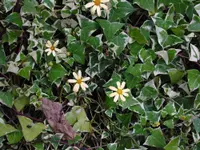
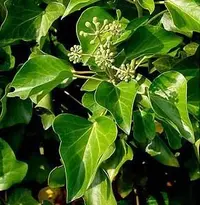
Atlantic ivy (Hedera hibernica) is a vigorous, evergreen climbing vine often used as groundcover or for covering walls, fences, and large structures. It forms dense mats of glossy, lobed leaves that stay green year-round in mild climates.

This species is native to western Europe, especially coastal regions with cool, moist conditions. It attaches to surfaces with small aerial roots and can spread quickly in suitable environments.

Atlantic ivy is generally hardy and adaptable, which makes it relatively simple to care for Atlantic Ivy in many gardens. It prefers bright, indirect light, evenly moist but not waterlogged soil, and good drainage to avoid root problems.

Main Plant Requirements

Care Difficulty

Easy Care

Light Preference

Partial Shade

Water Requirements

Moderate Water

Temperature Preference

Cold Hardy

Hardiness Zone

5–9

Soil Texture

Loamy, Clay, Organic-rich

Soil pH

Acidic (5.5–6.5), Slightly acidic (6.5–7.0)

Soil Drainage

Moist but well-drained

Fertilization

Minimal (feed rarely)

Get Personalized Care Plan

Scan your plant to receive care tips personalized for your specific plant

Available on iOS and Android

How to Care for the Atlantic Ivy

This vigorous climber prefers bright, indirect light with protection from harsh midday sun.

  • Outdoors, aim for 3–5 hours of gentle morning sun with afternoon shade; dappled or north/east-facing exposure suits Atlantic Ivy well.
  • Tolerates partial to full shade, but in deep shade growth becomes sparse and leaves may lose color contrast over time.
  • Avoid strong afternoon sun, especially in summer, as leaf scorch, bleaching, and crispy edges can develop, particularly in dry or exposed sites.

This species prefers evenly moist, well-drained soil rather than constantly wet or very dry conditions.

  • Before watering, let the top 3–5 cm of soil dry; in most garden settings this means checking moisture 1–2 times per week in warm seasons.
  • Reduce watering in cool or rainy periods, allowing the surface to dry more deeply, since Hedera hibernica dislikes waterlogged soil and stagnant moisture.
  • Watch for yellowing, soft leaves as a sign of overwatering, and dull, drooping, or curling leaves as an indicator of underwatering or drought stress.

This ivy is hardy and tolerates a wide temperature range, especially in temperate outdoor climates.

  • Best growth occurs around 50–75°F (10–24°C), with consistent moisture and shelter from extreme drying winds.
  • Mature plants typically tolerate brief drops to about 5°F (−15°C) once established, but young plants benefit from protection during hard frosts.
  • In hot summers above 85°F (29°C), provide shade and reliable soil moisture, as prolonged heat and dry conditions can lead to leaf scorch and stress.

This species grows well in typical indoor humidity but benefits from slightly moist air.

  • Target 40–60% humidity for stable foliage growth, similar to most heated homes.
  • Plants tolerate short dry-air periods, but prolonged humidity below 30% may cause leaf edge browning and crisp tips.
  • Increase humidity by grouping plants, placing the pot on a pebble tray with water below the pot base, or running a nearby humidifier.

Hedera hibernica prefers moderately fertile, moist but well-drained soil with a crumbly structure.

  • Use a loamy, organic-rich mix built from roughly 2 parts all-purpose potting mix, 1 part compost, and 1 part perlite or fine bark for structure.
  • Ensure rapid drainage so water does not pool around the roots, as persistent waterlogging encourages root rot and weak growth.
  • Aim for slightly acidic to neutral pH around 6.0–7.0, avoiding strongly alkaline or saline substrates that limit nutrient uptake.
  • Improve aeration by blending in coarse materials such as perlite, pumice, or pine bark, and avoid heavy clay-based soils that compact easily.

This species is well suited to container growing for groundcover, trailing, or topiary forms.

  • Choose a wide, stable pot to counterbalance trailing or climbing growth that can otherwise pull lightweight containers over in wind.
  • Select a container material that fits watering habits, using terracotta to dry faster in wet climates and glazed or plastic pots to retain moisture in hot, dry sites.
  • Ensure large, unobstructed drainage holes so excess water exits quickly, preventing saturation that encourages shallow, weak roots.

Hedera hibernica grows well with modest feeding, especially in containers or poor soils.

  • Use a balanced liquid fertilizer (such as 10-10-10) at 1/2 strength for Atlantic Ivy during active growth.
  • Feed every 4–6 weeks in spring and summer for potted or heavily trimmed plants.
  • Avoid fertilizing in late fall and winter, or limit to very light feeding if growth continues indoors.
  • In the ground, rely mainly on compost or slow-release granules mixed into the topsoil in spring.

Pruning Hedera hibernica helps control spread, maintain shape, and remove weak growth.

  • Carry out main pruning in late winter or early spring before vigorous new growth starts.
  • Remove dead, damaged, or crossing stems first, then shorten overly long or invasive runners.
  • Use clean, sharp hand pruners or shears; cut just above a leaf node to encourage branching.
  • Hard cutting back of overgrown areas will stimulate dense new foliage but may temporarily expose bare stems.

Hedera hibernica is usually grown in the ground, so transplanting is more common than repotting.

  • Transplant in early spring or early fall when temperatures are mild and soil is workable.
  • Look for roots circling containers, water running off quickly, or stalled growth as signs a potted plant needs a larger pot.
  • Shift to a container 2–5 cm wider with well-drained mix, handling the root ball gently and loosening only tight outer roots.
  • Water thoroughly after moving, keep soil evenly moist for 1–2 weeks, and shade briefly to reduce transplant shock.

Hedera hibernica is commonly multiplied from vegetative material rather than seed.

  • Take 8–12 cm stem cuttings in spring or early summer from non-flowering shoots with at least 2–3 nodes.
  • Remove lower leaves, insert cuttings into moist, free-draining mix, and keep humidity high and light bright but indirect.
  • Stem layering works well outdoors; pin a flexible runner to the soil, cover a node, and sever once well rooted.
  • Division of rooted mats is possible in cool, moist weather, replanting sections promptly and watering thoroughly.

Outdoor Hedera hibernica is generally cold hardy in much of the US and needs minimal winter attention.

  • Mulch the root zone with 5–7 cm of leaf mold or bark in fall to moderate soil temperature and moisture.
  • In very exposed sites, snow or ice can scorch foliage; accept some cosmetic damage and trim in spring.
  • Overwinter containers in a sheltered, unheated spot or move to a cool, bright indoor area to prevent root freeze.

Care Tips

Root containment

In the ground, install a 30–40 cm deep root barrier or plant into a large sunken container to prevent the plant from spreading aggressively into lawns, beds, or neighboring properties.

Structured wall training

When growing Atlantic Ivy on walls or fences, fix a grid of stainless-steel wires or plastic-coated trellis and loosely tie young stems to it so they establish a clear framework and avoid pulling on weak mortar or loose boards.

Layering for propagation

To create new plants, peg a healthy, flexible stem to the soil surface, lightly cover a node with moist soil, and cut and pot up the newly rooted section after 2–3 months.

Groundcover height control

For use as groundcover, run a mower or string trimmer over the bed at the highest setting 1–2 times per year to keep growth dense, low, and tidy without having to hand-prune every runner.

Winter weight management

In colder or snowy climates, reduce mass on vertical supports in late fall by thinning out older, woody stems so the structure is less likely to be damaged by the combined weight of foliage, ice, and snow.

Common Pests and Diseases

Spider mites

This pest often appears on stressed plants grown in dry, warm indoor air and causes fine stippling, bronzing, and webbing on leaves. Symptoms include dull, dusty-looking foliage that may drop prematurely.

Solution

Rinse foliage thoroughly with a strong but controlled stream of water, including leaf undersides, and repeat every few days for 1–2 weeks. Increase humidity slightly, isolate the plant, and if needed apply insecticidal soap or a horticultural oil labeled for spider mites, ensuring full coverage of both leaf surfaces.

Scale insects

These insects attach to stems and leaf veins as small, dome-like bumps, sucking sap and weakening the vine. Symptoms include sticky honeydew, sooty mold growth, and slow, sparse new growth.

Solution

Physically remove visible scale with a cotton swab dipped in isopropyl alcohol, then wash the plant with lukewarm water and mild insecticidal soap. Inspect weekly and repeat treatments until no new scale appears, paying extra attention to woody stems and leaf axils where pests hide while growing Atlantic Ivy outdoors or indoors.

Aphids

These insects cluster on soft shoot tips and young leaves, feeding on sap and causing curling, distortion, and a sticky residue. This pest can also attract ants and promote the development of black sooty mold on the foliage.

Solution

Prune off heavily infested shoot tips, then spray the entire plant with a firm stream of water to dislodge remaining aphids. Follow with applications of insecticidal soap or a light horticultural oil every 5–7 days until new growth appears clean, and avoid excessive nitrogen fertilization that encourages very soft, aphid-prone growth.

Bacterial leaf spot

This disease causes small, dark, water-soaked spots on leaves that may develop yellow halos and irregular shapes. Symptoms include patches of necrotic tissue and early leaf drop, especially in dense, damp growth.

Solution

Remove and discard affected leaves and any fallen debris, then improve air circulation by thinning crowded stems and avoiding overhead watering. Keep foliage dry as much as possible and, in severe or persistent cases, use a copper-based bactericide labeled for ornamental foliage plants according to the product directions.

Rhizoctonia aerial blight

This disease typically starts as brown, sunken lesions on stems and leaves near the soil line and can cause entire sections of vine to collapse. Symptoms include rapid spread through dense mats of ivy, especially under warm, humid, poorly ventilated conditions.

Solution

Cut out and discard all visibly affected stems and surrounding healthy-looking material to create a clean margin, and remove surface debris from the pot or bed. Improve airflow, avoid wetting foliage, reduce overcrowding, and if the problem persists treat the planting with a fungicide labeled for Rhizoctonia on ornamentals, following all label instructions carefully.

Interesting Facts

Native Atlantic range

This species occurs naturally along the Atlantic coasts of western Europe, from Ireland and Britain south to parts of France and the Iberian Peninsula, typically in mild, moist, oceanic climates.

Stronger climbing roots

Compared with many other Hedera species, it develops particularly robust aerial roots that allow it to adhere very firmly to stone, brick, and tree bark, which is why it is often seen covering old walls and coastal cliffs.

Coastal wind tolerance

It shows notable tolerance to salt-laden winds and exposed maritime conditions, so it often forms dense ground and cliff cover in coastal habitats where many other woody climbers fail to persist.

Botan icon

Did you know?

In parts of its introduced range, especially in the Pacific Northwest of the United States, this species has proven more aggressively invasive than English ivy, forming thicker mats and outcompeting native understory vegetation over large areas.

FAQs about Atlantic Ivy

This species spreads quickly through long, rooting stems and can form dense carpets on soil, walls, and trees. In mild climates it often becomes invasive outdoors, so regular pruning and physical barriers are important to keep it contained.

Grow Healthy Plants with Botan Care

Keep your plants happy and healthy with plant identification, disease detection, and easy care guidance.


Botan plant care app — identify plants on mobile

Explore More Plants