Early stand monitoring
Inspect young plants weekly from emergence to tillering and thin or rogue out weak, off-type, or diseased clumps so the stand stays even and competition for light and nutrients remains balanced when growing loose silkybent.

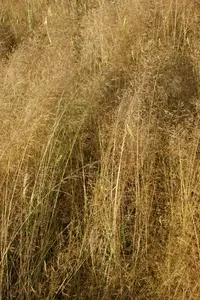
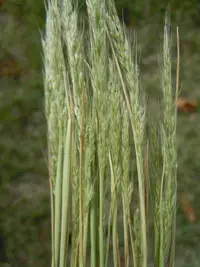
Loose silkybent (Apera spica-venti) is a fine-textured annual grass known for its soft, airy seed heads and slender stems. It forms loose tufts that sway easily in the wind and can create a hazy, delicate effect in open areas.
This species is native to Europe and parts of Asia but has spread widely into fields, roadsides, and disturbed soils in North America. It favors open, sunny sites with well-drained, often poor or sandy soils.
Once established, it self-seeds freely and can become a weed in agricultural land, which affects how to care for loose silkybent in managed spaces. Its growth is generally easy where light, space, and bare soil are available.

Care Difficulty
Easy Care

Light Preference
Full Sun

Water Requirements
Moderate Water

Temperature Preference
Cold Hardy

Hardiness Zone
3–8

Soil Texture
Sandy, Loamy, Silty

Soil pH
Acidic (5.5–6.5), Slightly acidic (6.5–7.0)

Soil Drainage
Well-drained

Fertilization
Minimal (feed rarely)
Scan your plant to receive care tips personalized for your specific plant
Available on iOS and Android
This cool-season grass prefers open, bright conditions similar to field edges and light meadows.
This species prefers consistently moist but not waterlogged soil, especially during active growth.
This annual grass is adapted to cool climates and shows strongest growth in mild temperatures.
Humidity is not a major factor for this hardy temperate grass.
This species prefers light, well-drained mineral soil that does not stay wet for long.
This grass can be grown in containers, mainly for short-term display or study rather than long-term culture.
This grass typically thrives in lean soils and usually needs no fertilizer when grown outdoors.
Pruning Apera spica-venti is mainly done for appearance and to limit self-seeding.
Loose silkybent is usually field-grown, so focus on transplanting rather than routine repotting.
This annual or short-lived grass is most commonly propagated from seed rather than by division.
As an annual or short-lived grass in most climates, Apera spica-venti usually needs no special winter care.

Plant Health Check
Not sure what's wrong with your plant? Check your plant's health inside the app.
This grass completes its life cycle within a single growing season, germinating in autumn or early spring, overwintering as small seedlings, then flowering and setting seed in late spring to early summer before dying back.
Its delicate, open panicles and very light seeds are adapted for wind dispersal, allowing the species to spread efficiently across open fields, roadsides, and disturbed soils.
In several European cropping systems, populations of this species have evolved resistance to commonly used post-emergence herbicides, making it a well-studied model for grass-weed resistance management in cereal fields.
This grass spreads readily by seed and can form loose colonies, especially in disturbed or open soil. In managed gardens it is often considered weedy, so remove seed heads before they shatter and monitor nearby beds regularly.
Keep your plants happy and healthy with plant identification, disease detection, and easy care guidance.