Lily Turf Care (Liriope muscari 'Big Blue')

Also known as: Monkey Grass
Lily Turf

About Lily Turf

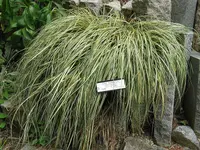
Liriope muscari 'Big Blue', commonly called lily turf, is a hardy, grass-like perennial often used as a border, edging, or groundcover. It forms dense clumps of arching, strap-shaped leaves that stay attractive for most of the year.

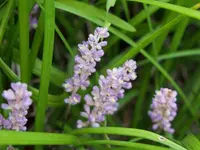
In late summer to early fall, it produces upright spikes of violet-blue flowers, followed by small dark berries. The plant originates from East Asia but is widely grown in gardens across temperate regions.

It is valued for its durability, shade tolerance, and ability to handle a range of soils, which makes it easy to care for Lily Turf in many landscapes.

Main Plant Requirements

Care Difficulty

Easy Care

Light Preference

Partial Shade

Water Requirements

Moderate Water

Temperature Preference

Cold Hardy

Hardiness Zone

5–10

Soil Texture

Sandy, Loamy, Clay

Soil pH

Acidic (5.5–6.5), Slightly acidic (6.5–7.0)

Soil Drainage

Moist but well-drained

Fertilization

Minimal (feed rarely)

Get Personalized Care Plan

Scan your plant to receive care tips personalized for your specific plant

Available on iOS and Android

How to Care for the Lily Turf

This hardy groundcover grows best with a balance of sun and shade across the day.

  • Provide 4–6 hours of sun daily, with morning sun and afternoon shade ideal, especially in hotter climates.
  • Tolerates light to moderate shade; in deeper shade, Liriope muscari 'Big Blue' may produce fewer flowers and looser clumps.
  • Avoid harsh, unfiltered afternoon sun in hot summers, which can scorch leaves; in winter, increased light is usually safe as sun intensity is lower.

This plant prefers consistent moisture but dislikes waterlogged soil.

  • Water when the top 3–5 cm of soil feels dry, soaking the root zone and allowing excess to drain away.
  • In spring and summer, check soil weekly during dry spells; in fall and winter, reduce watering as growth slows and rainfall often increases.
  • Signs of overwatering include yellowing, soft leaves and root rot smell; brown, crispy tips and shrinking clumps indicate underwatering or very dry soil.

This species is a durable perennial that tolerates a wide range of outdoor temperatures once established.

  • Optimal active growth occurs around 60–80°F (16–27°C), with strongest foliage and flower production in mild spring and early summer conditions.
  • Cold-hardy to about 0°F (-18°C) or slightly lower with mulch; foliage may burn in hard freezes, but roots usually survive and regrow in spring.
  • Handles short heat waves up to about 95°F (35°C) if soil stays slightly moist; prolonged extreme heat with dry soil increases leaf scorch and stress.

This plant handles a wide humidity range, so indoor air usually suits it well.

  • Target 30–60% humidity, typical of most heated and cooled homes.
  • It tolerates short periods of dry air, but prolonged exposure can cause brown leaf tips and marginal scorch.
  • If air is very dry, group pots together or place a tray of water and pebbles nearby to slightly raise local humidity.

This plant prefers loose, moist, well-drained ground with moderate organic content.

  • Use a loamy, crumbly soil rich in organic matter, such as a mix of garden loam, compost, and pine bark fines.
  • Ensure fast drainage; avoid heavy, compacted clay unless amended with compost and coarse sand to improve aeration.
  • Aim for slightly acidic to neutral pH, about 6.0–7.0, which suits Liriope muscari 'Big Blue' root function and nutrient uptake.
  • Avoid waterlogged or constantly saturated conditions, which encourage root rot and weak, sparse foliage.

This species is well suited to container growing outdoors on patios, balconies, or entryways.

  • Choose a pot deep and wide enough to allow clump expansion, leaving at least 5–8 cm between root mass and pot wall.
  • Select a heavier container material, such as ceramic or thick plastic, to keep the spreading foliage mass from tipping in wind.
  • Raise the pot slightly on feet or bricks so drainage holes stay clear and runoff exits quickly after heavy rain.

Liriope muscari 'Big Blue' benefits from light, steady nutrition but performs well without heavy feeding.

  • Apply a balanced slow-release fertilizer (around 10-10-10) at half strength once in early spring as new growth starts.
  • Supplement with a thin layer of compost around the clumps in spring to improve soil structure and trace nutrients.
  • Avoid additional fertilizer after late summer so growth can harden before cold weather and dormancy.
  • Do not feed during winter; the plant is dormant and excess nutrients may cause weak, tender growth.

Pruning helps keep Liriope muscari 'Big Blue' dense, tidy, and free of damaged foliage.

  • Cut back old, tattered leaves in late winter or very early spring before new growth emerges.
  • Remove dead, diseased, or broken leaves at the base using clean, sharp shears or a hedge trimmer for larger plantings.
  • Thin out crowded or matted sections to improve air flow and reduce fungal issues.
  • Avoid cutting into fresh new shoots, as this can weaken the plant and reduce flowering.

This plant is usually grown in the ground, so focus on dividing and transplanting clumps rather than frequent repotting.

  • Look for crowded clumps, reduced flowering, or roots circling inside containers as signs it needs more space.
  • Plan transplanting or division for early spring or early fall, when temperatures are mild and soil is workable.
  • Lift the clump, gently tease apart or cut through the root mass into sections, keeping healthy roots and shoots together.
  • Replant divisions at the same depth, water thoroughly, and shade lightly for a week to reduce transplant stress.

Liriope muscari 'Big Blue' is most reliably propagated by division rather than from seed.

  • Divide mature clumps in early spring or early fall, when weather is cool and soil moisture is stable.
  • Use a sharp spade or knife to cut clumps into sections with several shoots and a good root portion each.
  • Replant divisions promptly into prepared soil, firm gently, and water well to settle roots and remove air pockets.
  • Keep the soil evenly moist, not waterlogged, for the first 2–4 weeks to support new root growth.

This lily turf is generally cold hardy and needs only minimal winter care in most temperate climates.

  • Tolerates moderate frost once established, though foliage may discolor or burn in very cold snaps.
  • Apply a 5–7 cm layer of mulch around the root zone in late fall to buffer soil temperature and moisture.
  • In colder zones or exposed sites, container plants benefit from being moved to a sheltered, unheated but frost-free area.

Care Tips

Edge Containment

Install a shallow physical barrier 5–8 cm deep along beds to prevent rhizomes from creeping into lawn or paths, making long-term clump control much easier.

Divide For Vigor

Lift and divide crowded clumps every 3–5 years in early spring, replanting only the healthiest outer sections to maintain dense foliage and consistent flowering.

Targeted Weed Suppression

Plant in staggered offsets (not straight rows) and space clumps closely to create a closed canopy that shades out weed seedlings and reduces the need for hand-weeding.

Winter Clean-Up Timing

Shear or mow foliage low just before new growth emerges in late winter, which removes fungal-spotted leaves and old flower stalks without damaging tender new shoots.

Slopes And Erosion

Use staggered drifts across gentle slopes, spacing plants so root systems slightly overlap, to create a living mat that helps stabilize soil and reduce surface erosion when growing Lily Turf.

Common Pests and Diseases

Anthracnose

This disease causes tan to dark brown leaf spots that often develop purple to black borders and can lead to dieback of leaf tips or entire fans in severe cases.

Solution

Remove and discard heavily spotted foliage to reduce spore load, then keep overhead watering to a minimum and water at soil level. Improve air circulation, avoid dense overcrowding, and if needed apply a labeled fungicide for anthracnose according to local Lily Turf care instructions.

Pythium root rot

This disease leads to thinning clumps, stunted growth, and leaves that yellow, bronze, then collapse, often in poorly drained or overwatered sites.

Solution

Improve drainage by raising beds or amending soil with coarse material, and reduce watering so soil dries slightly between waterings. Remove and discard severely affected plants and consider a soil-applied fungicide labeled for Pythium if the site has a history of this problem.

Southern blight

This disease causes sudden wilting and collapse of fans, with brown lesions at the crown and white fungal growth with small tan sclerotia at the soil line in warm conditions.

Solution

Carefully dig out and discard infected plants with surrounding soil to remove sclerotia, and avoid moving contaminated soil or mulch. Maintain clean mulch, improve airflow, and in high-value plantings consider a fungicide labeled for southern blight as a preventative around unaffected clumps.

Scale insects

These insects appear as small, immobile bumps on leaves or stems and can cause yellowing, reduced vigor, and sticky honeydew on foliage.

Solution

Prune out heavily infested leaves, then wipe or gently scrub remaining foliage with a soft cloth dipped in soapy water. For persistent infestations, use a labeled horticultural oil or systemic insecticide, applied according to label directions and timed to target the crawler stage.

Slugs and snails

This pest feeds on foliage, leaving irregular holes, ragged edges, and slime trails on or around the plant, especially in moist, shaded beds.

Solution

Hand-pick at night or early morning, reduce dense groundcover and excess mulch that provide hiding spots, and avoid frequent overhead watering. If damage remains high, deploy iron phosphate or other labeled slug and snail baits, placing them outside the main clumps where pests travel.

Interesting Facts

Dense clumping habit

This cultivar forms tight, fountain-like clumps up to about 45–60 cm wide, making it much more robust and filling than many other Liriope muscari selections used as edging plants.

Distinctive flower spikes

It produces relatively tall, upright spikes with closely packed violet to lavender flowers, which are more conspicuous and showy than those of many smaller or paler liriope cultivars.

Notable cold tolerance

Compared with some variegated and dwarf forms, this selection is known for reliable performance in colder temperate climates, remaining a long-lived, stable groundcover where less vigorous cultivars thin out over time.

FAQs about Lily Turf

Lack of flowers usually comes from too much shade, recent division, or poor nutrition. Allow 1–2 years after planting, avoid heavy nitrogen fertilizers, and consider a light spring feed labeled for ornamentals to support blooming.

Grow Healthy Plants with Botan Care

Keep your plants happy and healthy with plant identification, disease detection, and easy care guidance.

Botan plant care app — identify plants on mobile

Explore More Plants