Spring clump division
Every 3–5 years, lift and divide congested clumps in early spring before strong new growth starts to maintain vigor and prevent lodging of tall stems.

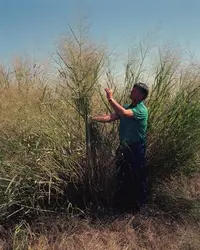
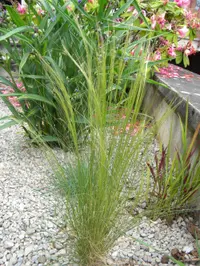
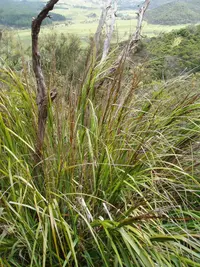
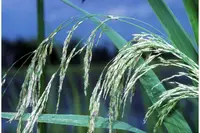
Switchgrass, Panicum virgatum, is a perennial warm-season grass native to North American prairies, open fields, and roadsides. It forms upright clumps with airy flower panicles and fine-textured foliage that often colors attractively in autumn.
This species is widely used in ornamental borders, naturalistic plantings, and erosion control due to its deep root system and tolerance of wind and poor soils. It is generally easy to grow because it adapts to a wide range of light, moisture, and soil conditions.
Gardeners who want to learn how to care for switchgrass usually focus on matching its preference for full sun and moderately moist, well-drained soil, especially during establishment.

Care Difficulty
Easy Care

Light Preference
Full Sun

Water Requirements
Low Water

Temperature Preference
Cold Hardy

Hardiness Zone
3–9

Soil Texture
Sandy, Loamy, Clay

Soil pH
Acidic (5.5–6.5), Slightly acidic (6.5–7.0)

Soil Drainage
Well-drained

Fertilization
Minimal (feed rarely)
Scan your plant to receive care tips personalized for your specific plant
Available on iOS and Android
Panicum virgatum thrives in open, bright sites that receive direct sun most of the day.
This warm-season grass prefers consistent moisture during establishment, then becomes notably drought-tolerant.
This warm-season prairie grass is adapted to a wide range of outdoor temperatures across much of North America.
This species is largely indifferent to indoor humidity and performs reliably in typical outdoor conditions.
This warm-season grass thrives in moderately fertile, well-structured mineral soils with reliable drainage.
This species can grow in large containers outdoors if the pot provides depth, stability, and fast drainage.
This warm-season grass grows well in average soil, so fertilizing Panicum virgatum should stay light and targeted.
Pruning Panicum virgatum focuses on seasonal cleanup rather than frequent shaping.
This grass is usually grown in the ground, so focus on dividing and transplanting rather than frequent container repotting.
Panicum virgatum is commonly propagated by division or seed, depending on whether clonal uniformity is needed.
This native warm-season grass is very cold hardy and usually needs minimal winter care in the ground.

Plant Health Check
Not sure what's wrong with your plant? Check your plant's health inside the app.
Switchgrass develops an extensive root system that can reach depths of 2–3 m in mature stands, which helps stabilize soil and improve its structure over time.
As a warm-season C4 grass, switchgrass uses water and sunlight very efficiently and stores large amounts of carbon in both its roots and long-lived soil organic matter.
Native stands of switchgrass in North American prairies provide nesting cover, food, and winter shelter for many birds, small mammals, and beneficial insects, supporting diverse grassland ecosystems.

Switchgrass has been widely studied as a model bioenergy crop because it is native to North America, grows well on low-fertility soils, and can produce high biomass yields without the intensive fertilizer and pesticide inputs required for many conventional crops.
Yellowing often results from water stress, nutrient-poor soil, or natural seasonal aging. Check for waterlogged or very dry soil, improve drainage if needed, and apply a balanced slow‑release fertilizer in spring to support healthy foliage.
Keep your plants happy and healthy with plant identification, disease detection, and easy care guidance.