Prevent clump smothering
Cut back and remove lodged or matted foliage in late winter so new shoots can emerge freely and air can move through the clump, which lowers fungal risk when growing Houghton's sedge in dense plantings.

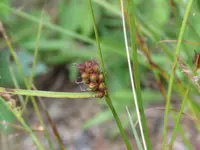
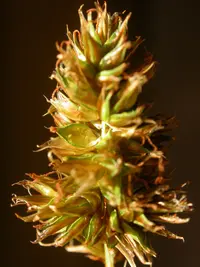
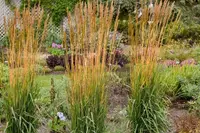
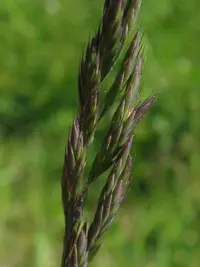
Houghton's sedge (Carex houghtoniana) is a cool-season, clump-forming grass-like perennial native to dry, sandy habitats in parts of North America. It typically forms loose tufts of fine, arching leaves with airy, narrow flower spikes that add a subtle texture rather than bold color. In the wild it grows in prairies, open woods, and sandy banks, showing good tolerance to drought and poor soils once established. These traits make it relatively low maintenance, though consistent moisture during establishment improves success. Gardeners who care for Houghton's sedge should focus on providing sun to light shade, well-drained soil, and protection from heavy foot traffic.

Care Difficulty
Easy Care

Light Preference
Full Sun

Water Requirements
Moderate Water

Temperature Preference
Cold Hardy

Hardiness Zone
3–7

Soil Texture
Sandy, Loamy, Rocky

Soil pH
Acidic (5.5–6.5), Slightly acidic (6.5–7.0)

Soil Drainage
Well-drained

Fertilization
Minimal (feed rarely)
Scan your plant to receive care tips personalized for your specific plant
Available on iOS and Android
This cool-season sedge prefers bright outdoor conditions with some protection from harsh afternoon sun.
This species prefers consistently moist but not waterlogged soil, especially in active growth.
This hardy sedge tolerates a wide temperature range typical of temperate climates.
This species handles a wide humidity range and rarely needs special humidity management.
This sedge prefers loose, sandy to sandy-loam soil that drains quickly yet retains some moisture near the roots.
This species can grow in containers if the pot is configured to mimic its naturally well-drained, sandy conditions.
This native sedge generally needs little feeding in average to lean soils.
Carex houghtoniana benefits from light, periodic cleanup rather than structural pruning.
This sedge is usually grown in the ground, with transplanting needed only when clumps outgrow their space.
Carex houghtoniana is most reliably propagated by division, with seed used mainly for larger restoration plantings.
This cold-hardy sedge usually requires little special winter care in its suitable climate range.

Plant Health Check
Not sure what's wrong with your plant? Check your plant's health inside the app.
This species is strongly associated with very dry, nutrient-poor sandy soils, especially on dunes, sandy barrens, and jack pine or oak-pine woodlands, and is often used as an indicator of open, early-successional sand habitats.
Unlike many sedges that spread by rhizomes, it typically forms tight, tufted clumps with minimal vegetative spread, which helps stabilize loose sand without quickly forming dense, closed sod.
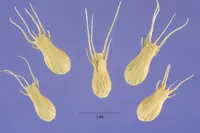
Its fruits are enclosed in small, inflated sacs called perigynia that are pale, finely veined, and taper into a short beak, a combination of characters botanists use to separate it from closely related sandland sedges.

Houghton's sedge is considered a conservation concern or tracked species in several parts of its native range because its specialized dry-sand habitats have been reduced and fragmented by development, stabilization of dunes, and changes in fire regimes.
This species spreads slowly by short rhizomes and self-seeding, but it is not usually aggressive. In garden settings it forms loose clumps over time. Occasional division or removal of unwanted seedlings keeps patches in check.
Keep your plants happy and healthy with plant identification, disease detection, and easy care guidance.