Edge containment
Install a shallow plastic or metal edging 10–15 cm deep around planting areas to prevent rhizomes from creeping into lawns or beds where barley sedge is not wanted.

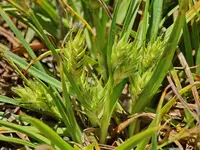
Barley sedge, Carex hordeistichos, is a small, cool-season sedge forming dense, tufted clumps of fine, grass-like leaves. It is a perennial plant, returning year after year from its base.
This species naturally occurs in moist meadows, stream banks, and lowlands across parts of Europe and western Asia. It is adapted to seasonally damp soils and tolerates light shade to open sun in cooler climates.
The plant stays relatively low and compact, which makes it suitable for naturalistic plantings, informal lawns, or mixed borders. It is generally considered undemanding once established, especially if soil stays evenly moist. Gardeners who want to learn how to care for barley sedge usually focus on providing consistent moisture and avoiding very dry, exposed sites.

Care Difficulty
Easy Care

Light Preference
Partial Sun

Water Requirements
Regular Water

Temperature Preference
Cold Hardy

Hardiness Zone
4–8

Soil Texture
Loamy, Silty, Organic-rich

Soil pH
Acidic (5.5–6.5), Slightly acidic (6.5–7.0)

Soil Drainage
Moist but well-drained

Fertilization
Minimal (feed rarely)
Scan your plant to receive care tips personalized for your specific plant
Available on iOS and Android
This cool-season sedge prefers consistent light levels similar to an open meadow edge.
This species prefers evenly moist conditions and does not tolerate prolonged drought well.
This hardy sedge suits temperate climates with cool to mild growing seasons.
Humidity is not a critical factor for this species in typical outdoor or household conditions.
This sedge prefers moist, well-aerated mineral soil that does not stay waterlogged for long periods.
This species adapts well to container growing for patios, balconies, or small gardens.
This cool-season sedge needs only light feeding, as barley sedge naturally thrives in lean soils.
Pruning Carex hordeistichos focuses on tidying old foliage and maintaining a clean clump form.
Carex hordeistichos is usually grown in the ground and benefits from occasional division or transplanting to refresh crowded clumps.
Multiplying Carex hordeistichos is most practical through division, with seed used mainly for larger restoration or meadow projects.
This sedge is generally cold hardy in temperate climates and needs minimal winter care once established.

Plant Health Check
Not sure what's wrong with your plant? Check your plant's health inside the app.
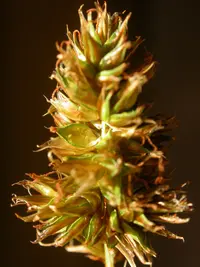
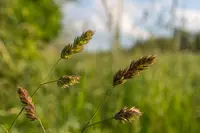
This sedge produces dense, spike-like inflorescences that resemble small barley heads, which is the origin of its species name hordeistichos, meaning barley spike.
In the wild, it often occurs on calcareous substrates rich in lime, such as base-rich grasslands and open wood margins, rather than on acidic soils.
It tends to start growth and flower relatively early in the season compared with many other sedges, giving it an advantage in cooler spring conditions before taller vegetation closes the canopy.
This species spreads slowly to moderately by short rhizomes and self-seeding, usually forming manageable clumps. It is not considered aggressive in most gardens, but in moist, fertile soil it can gradually fill open spaces.
Keep your plants happy and healthy with plant identification, disease detection, and easy care guidance.