Prevent Lodging
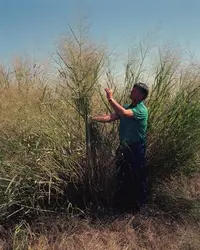
In windy or exposed sites, plant in tight clumps or short staggered rows so the stems support each other and reduce lodging, rather than relying on stakes later in the season.

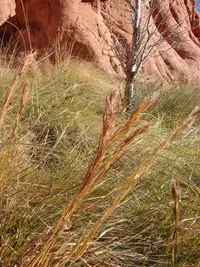
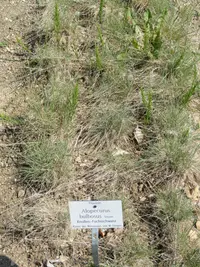
Bushy bluestem, Andropogon glomeratus, is a warm-season ornamental grass native to wet meadows, ditches, and coastal plains in the southeastern United States. It forms upright clumps with dense, fluffy seed heads that turn coppery to straw-colored in fall.
This species typically grows in moist to wet soils and tolerates seasonal flooding better than many ornamental grasses. It prefers full sun, where stems stay sturdy and the foliage colors best.
The plant is generally undemanding if given enough moisture and is valued for erosion control, wildlife cover, and fall interest. Gardeners who learn how to care for bushy bluestem usually find it reliable in rain gardens and naturalistic plantings.

Care Difficulty
Easy Care

Light Preference
Full Sun

Water Requirements
Regular Water

Temperature Preference
Cold Hardy

Hardiness Zone
6–9

Soil Texture
Sandy, Loamy, Clay

Soil pH
Acidic (5.5–6.5), Slightly acidic (6.5–7.0)

Soil Drainage
Moist but well-drained

Fertilization
Minimal (feed rarely)
Scan your plant to receive care tips personalized for your specific plant
Available on iOS and Android
Andropogon glomeratus grows best in open, bright sites with consistent sun exposure.
Andropogon glomeratus prefers moist soil but adapts to short dry spells once established.
This warm-season grass thrives in temperate to hot climates with mild winters.
This species is largely indifferent to indoor humidity and focuses more on light and soil moisture than air moisture.
Andropogon glomeratus prefers lean, mineral soils that mimic open meadow or wetland margins.
This grass can be grown in containers if the pot is large, stable, and drains quickly.
This native warm-season grass needs minimal feeding, but light nutrition can support growth in poor soils when caring for bushy bluestem.
Pruning Andropogon glomeratus is mainly done to maintain appearance and encourage fresh growth.
This grass is usually grown in the ground, so management focuses on transplanting rather than frequent repotting.
Andropogon glomeratus is commonly propagated by division or seed to expand plantings or refresh aging clumps.
This species is cold hardy in much of its range and generally needs little winter care in the landscape.

Plant Health Check
Not sure what's wrong with your plant? Check your plant's health inside the app.
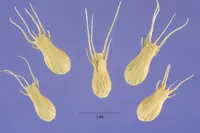
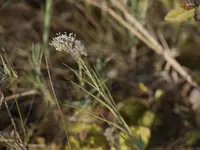
This species produces dense, silky, cream-colored seed heads in late summer to fall that persist into winter and provide both visual structure and seed for wildlife.
It naturally occurs in moist to seasonally wet habitats such as roadside ditches, marsh edges, and pond margins, showing a strong tolerance for periodic flooding and poorly drained soils.
The plant has a tufted, basal growth form that allows it to resprout after fire, so it often increases in abundance in fire-managed pine savannas and flatwoods.

Bushy bluestem is frequently used in ecological restoration projects across the southeastern United States because its dense clumps stabilize wet, disturbed soils and help reestablish native wetland and roadside plant communities.
This species is usually not invasive in managed gardens. It may self-seed moderately, especially in moist, open sites. Remove unwanted seedlings and cut back seed heads before dispersal if spread becomes a concern when growing bushy bluestem.
Keep your plants happy and healthy with plant identification, disease detection, and easy care guidance.