big bluestem Care (Andropogon gerardi)

Also known as: turkeyfoot, big blue
big bluestem

About big bluestem

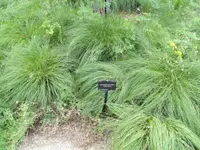
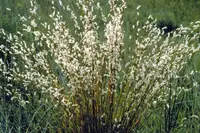
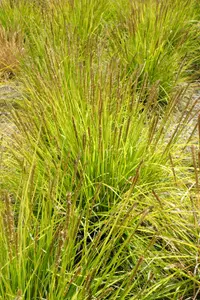
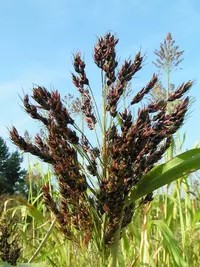
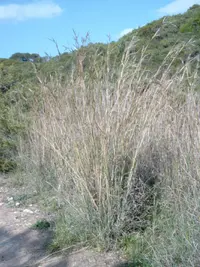
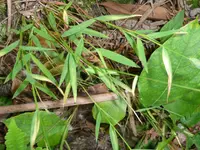
Big bluestem, Andropogon gerardi, is a warm-season perennial grass native to North American prairies, tallgrass meadows, and open roadsides. It forms upright clumps with tall stems and narrow leaves that turn bronze or reddish in late season.

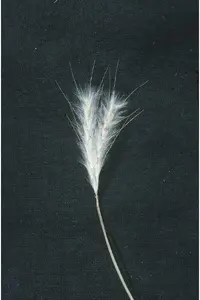
The flowering stems often branch into a three-part shape sometimes compared to a turkey foot, giving the plant a distinctive profile in the landscape. It is adapted to poor, dry soils and once established is highly drought-tolerant.

Because it thrives in full sun and does not require rich soil or frequent watering, it is generally easy to maintain in suitable climates. Understanding how to care for big bluestem mainly involves providing sun, well-drained soil, and space for its mature height.

Main Plant Requirements

Care Difficulty

Easy Care

Light Preference

Full Sun

Water Requirements

Low Water

Temperature Preference

Cold Hardy

Hardiness Zone

3–9

Soil Texture

Sandy, Loamy, Clay

Soil pH

Acidic (5.5–6.5), Slightly acidic (6.5–7.0)

Soil Drainage

Well-drained

Fertilization

Minimal (feed rarely)

Get Personalized Care Plan

Scan your plant to receive care tips personalized for your specific plant

Available on iOS and Android

How to Care for the big bluestem

This warm-season prairie grass thrives in open, sunny sites with long daily light exposure.

  • Provide full sun for 6–8+ hours per day; growth becomes weak and floppy with less than 4–5 hours of direct light.
  • Big bluestem tolerates light afternoon shade, but strongest stems and best fall color develop in unfiltered sun.
  • In cool, cloudy regions, maximize exposure by avoiding shade from trees or buildings; in very hot, dry climates, slight late-afternoon shade reduces leaf scorch.

This deep-rooted grass prefers infrequent, deeper watering once established.

  • Allow the top 5–8 cm of soil to dry before watering; soil should feel dry at the surface but slightly cool and firm below.
  • Water weekly during the first growing season in dry climates, then only during prolonged drought once plants are established.
  • Use well-drained soil; yellowing, lodging, or soft stems suggest overwatering, while curled, crispy leaves and slow growth indicate the need for water for Andropogon gerardi.

This species is a hardy warm-season grass adapted to wide outdoor temperature swings.

  • Optimal active growth occurs around 75–90°F (24–32°C), when soil is warm and night temperatures stay above about 55°F (13°C).
  • Mature plants tolerate winter lows to about -20°F (-29°C) in the ground, surviving as dormant crowns even when top growth is fully killed by frost.
  • During summer heat waves above 95°F (35°C), growth may slow; maintain soil moisture but avoid creating waterlogged, overheated conditions around the roots.

This prairie grass is highly tolerant of low humidity and seldom needs special moisture control outdoors.

Andropogon gerardi thrives in lean, well-drained mineral soils and tolerates a range of fertility levels.

  • Use sandy or sandy-loam soil with moderate organic matter to mimic its native prairie conditions.
  • Ensure sharp drainage; water must not pool around roots, which are prone to rot in soggy sites.
  • Aim for slightly acidic to neutral pH, roughly 6.0–7.5, which suits most garden soils.
  • Improve heavy clay by mixing in coarse sand and fine gravel to increase pore space and aeration.

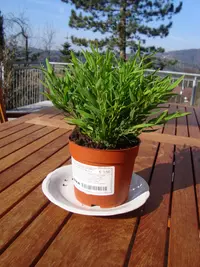
This species can be grown in containers, but only when the pot provides enough depth and stability for its tall, clumping growth.

  • Choose a deep, heavy container (at least 30–40 cm tall) to anchor the tall foliage against wind sway.
  • Use a very fast-draining mix of sandy loam with coarse sand or fine gravel to prevent waterlogging in the root zone.
  • Position the container where runoff can drain freely, since standing water around the base can destabilize the tall clump.

This native warm-season grass usually needs little feeding in average garden soil.

  • For poor or very sandy soils, apply a light top-dressing of compost in spring before active growth.
  • If using fertilizer, choose a balanced slow-release product (around 10-10-10) at half label strength.
  • Feed once in mid-spring during the growing season; avoid additional applications to prevent floppy growth.
  • Do not fertilize big bluestem in late fall or winter, when the plant is dormant.

Pruning Andropogon gerardi is mainly done to manage size and refresh the clump.

  • Cut back the entire clump to 10–15 cm in late winter or very early spring before new shoots emerge.
  • Remove dead, broken, or lodging stems during the season using clean, sharp shears.
  • Thin out a few crowded stems at the base to improve air flow and maintain an upright shape.
  • Leave standing stems and seed heads through winter if desired for wildlife and structure, then cut down in one pass.

This tall prairie grass is usually grown in the ground and is moved only when needed.

  • Plan transplanting in early spring or early fall, avoiding hot, dry weather to limit stress.
  • Look for signs such as a congested center, declining vigor, or roots circling a container if grown in pots.
  • Divide large clumps every 3–5 years, replanting vigorous outer sections at the same soil depth.
  • Water thoroughly before and after moving, and keep the root zone evenly moist until new growth establishes.

Multiplying Andropogon gerardi is straightforward through division or seed.

  • Divide mature clumps in early spring as new shoots emerge, using a sharp spade or knife.
  • Replant divisions promptly into prepared soil, keeping crowns level with the surface and watering well.
  • Sow fresh seed in fall outdoors for natural cold stratification, or in late winter after 4–6 weeks of cold, moist chilling.
  • Provide full sun and well-drained soil for both divisions and seedlings to establish quickly.

This species is very cold hardy and typically needs minimal winter care in the ground.

  • In cold regions, leave standing foliage to catch snow and insulate the crown naturally.
  • If desired, add a light 5–7 cm mulch around the base after soil freezes, keeping mulch off the crown.
  • For container-grown plants, move pots to a sheltered, unheated area to reduce root freeze-thaw damage.

Care Tips

Early root establishment

In the first year, pinch off most flowering shoots so the plant diverts energy to roots, which improves long‑term stand density and drought resilience when growing big bluestem.

Clump division timing

Divide overcrowded clumps only in early spring before active growth, replanting divisions at the same depth and watering once deeply to reduce transplant shock and maintain stand vigor.

Wind and lodging management

In very exposed sites, plant in drifts or mixed with other sturdy prairie grasses so neighboring plants buffer wind and reduce the risk of tall stems bending or lodging in storms.

Targeted thatch reduction

If old stems and leaf bases form a dense mat, rake or lightly dethatch in early spring after snow melt but before new shoots appear to improve air flow and reduce foliar disease risk.

Seed head handling

For ornamental use, leave some seed heads on the plant through winter for structure and wildlife, then cut and remove them before spring to limit self‑seeding into unwanted areas.

Common Pests and Diseases

Rust

This disease causes small orange to brown pustules on leaves and can reduce plant vigor, especially in dense, humid stands.

Solution

Remove and destroy heavily infected foliage or plant clumps, avoid overhead irrigation, and thin dense plantings to improve air flow; in production settings, apply a grass-labeled fungicide preventively if rust has been a recurring issue.

Leaf spot

This disease produces scattered tan to dark brown spots on leaf blades, sometimes with yellow halos, and can make ornamental plantings look patchy or scorched.

Solution

Cut back and remove affected foliage at season’s end, maintain good spacing and air movement, and avoid prolonged leaf wetness; in nursery or high-value settings, use a registered foliar fungicide if spots spread rapidly under warm, wet conditions.

Armyworms

These insects are caterpillars that chew leaves from the edges, sometimes skeletonizing foliage or thinning clumps when populations are high.

Solution

Monitor for feeding and for caterpillars in the thatch; hand-pick smaller infestations, encourage natural predators, and, if needed, use a selective Bacillus thuringiensis (Bt) or spinosad product directed at the foliage in the evening when larvae feed most actively.

Grasshoppers

These insects chew irregular holes and notches in leaves and may strip foliage along field margins during outbreaks.

Solution

Mow or remove tall weeds and unmanaged vegetation near plantings, use row covers or physical barriers for small ornamental groups, and consider bait formulations labeled for grasshoppers in large landscape or restoration areas if defoliation becomes severe.

Smut

This disease, caused by fungi such as species of Sporisorium, forms black, powdery masses in seed heads and can reduce seed quality in production stands.

Solution

Rogue and destroy affected seed heads or plants before spores spread, plant certified clean seed, and rotate away from heavily infested areas; in seed production systems, maintain good field sanitation as part of broader Andropogon gerardi care instructions.

Interesting Facts

Tallgrass prairie builder

This species is one of the main structural grasses of North American tallgrass prairie, where its deep roots and dense clumps help build and stabilize some of the world’s most fertile soils.

Remarkable root depth

Individual plants often develop root systems that extend several meters into the soil, allowing them to survive drought and fire while accessing water and nutrients far below the surface.

Seasonal color change

The foliage is blue-green in the growing season but turns striking red to bronze in late summer and fall, as pigments called anthocyanins increase in the leaves and stems.

Botan icon

Did you know?

Ecological studies have shown that big bluestem can act as a keystone species in remnant prairies, strongly influencing plant community composition, soil structure, and habitat quality for insects, birds, and grazing mammals.

FAQs about big bluestem

Lack of flowering is usually due to insufficient sun, overly rich or frequently fertilized soil, or plants that are still immature. Avoid high-nitrogen fertilizer, keep soil on the lean side, and ensure full sun exposure.

Grow Healthy Plants with Botan Care

Keep your plants happy and healthy with plant identification, disease detection, and easy care guidance.

Botan plant care app — identify plants on mobile

Explore More Plants