needlegrass rush Care (Juncus roemerianus)

Also known as: Black Needlerush
needlegrass rush

About needlegrass rush

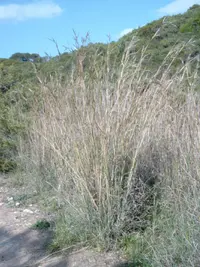
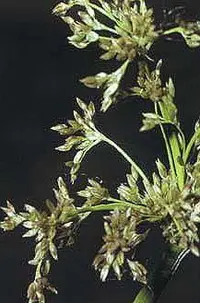
Juncus roemerianus, commonly called needlegrass rush or black needlerush, is a perennial rush native to coastal salt marshes of the southeastern United States. It forms dense, upright clumps of stiff, dark green to grayish stems that create strong vertical lines in the landscape.

This species is highly salt-tolerant and adapted to tidal flooding, making it useful for shoreline stabilization and restoration projects. In garden or container settings, it prefers consistently wet conditions, full sun, and poor to average soils.

Its toughness, salt tolerance, and low nutrient needs make it relatively easy to manage where moisture is reliable, but it will decline if allowed to dry out. Understanding these natural habitat conditions is the key to how to care for needlegrass rush in cultivation.

Main Plant Requirements

Care Difficulty

Moderate Care

Light Preference

Full Sun

Water Requirements

Aquatic

Temperature Preference

Cold Hardy

Hardiness Zone

6–10

Soil Texture

Sandy, Loamy, Organic-rich

Soil pH

Slightly acidic (6.5–7.0), Neutral (7.0)

Soil Drainage

Waterlogged tolerant

Fertilization

Minimal (feed rarely)

Get Personalized Care Plan

Scan your plant to receive care tips personalized for your specific plant

Available on iOS and Android

How to Care for the needlegrass rush

This coastal rush needs strong, consistent light in open, exposed sites.

  • Provide 6–10 hours of direct sun daily; full sun promotes dense, upright growth in needlegrass rush.
  • Plant in open marsh, shoreline, or unshaded bed; light dappled shade is tolerated, but stems may elongate and thin.
  • In hot southern climates, brief late-afternoon shade reduces heat stress, while in winter low-angle sun is usually still sufficient in frost-free zones.

This salt-marsh rush is adapted to constantly wet, even flooded, conditions.

  • Maintain soil that is saturated to very shallowly flooded; do not allow the top layer to dry out or crack.
  • In natural or constructed wetlands, watch for underwatering signs such as browning tips and limp stems; overwatering is rarely an issue if water is moving or refreshed.
  • In containers or managed beds, use heavy, organic, slow-draining soil and ensure water depth and moisture stay stable across seasons for Juncus roemerianus.

This species tolerates a wide temperature range but grows best in mild, frost-free conditions.

  • Optimal growth occurs around 68–86°F (20–30°C), typical of warm coastal climates during the growing season.
  • Mature plants survive brief drops to about 20–25°F (-6 to -4°C), but repeated hard frost can damage or thin stands over time.
  • Heat tolerance is high up to about 95°F (35°C) if soil stays saturated; sudden cold snaps after warm periods can cause tip burn and leaf yellowing.

This saltmarsh rush prefers very moist air but adapts if its root zone stays wet.

  • Aim for 60–80% humidity, especially in warm indoor spaces or sheltered patios.
  • Plant near a water feature or keep containers in a shallow tray of water to offset dry air.
  • Crisping tips and slower growth signal humidity stress; increase ambient moisture and never let the root zone dry.

This species naturally grows in saturated coastal substrates and needs soil that stays wet yet oxygenated.

  • Use a heavy, organic-rich mix such as 2 parts loam, 1 part sand, 1 part compost to mimic marsh conditions.
  • Soil should be poorly drained to submerged, with water often standing at or above the crown level without becoming foul-smelling.
  • A slightly acidic to neutral pH of about 6.0–7.0 suits Juncus roemerianus best.
  • For containers, pack the mix firmly to limit air gaps but avoid compaction that prevents any water movement or root aeration.

This rush can be grown in containers if the pot is managed like a small, stable wetland.

  • Choose a deep, heavy container that resists tipping when the saturated medium and tall foliage make it top-heavy.
  • Use a pot that can safely sit inside a watertight outer basin so the root zone can remain constantly flooded.
  • If drainage holes are present, stand the pot in a reservoir so water covers the base, preventing unintended drying.

This salt-marsh rush usually needs minimal feeding in nutrient-rich, tidal or wetland soils.

  • In poor or soilless container mixes, use a balanced slow-release fertilizer (around 10-10-10 or similar) at label rate in early spring.
  • Supplement with a light top-dressing of compost once in spring for needlegrass rush, especially in low-organic substrates.
  • During active growth, avoid more than 1–2 light applications per season to prevent overly lush, weak stems.
  • Withhold fertilizer in late fall and winter when growth naturally slows or stops.

Pruning Juncus roemerianus is mainly used to maintain tidiness and remove non-functional growth.

  • Cut out dead, broken, or diseased stems at the base in late winter or very early spring before new growth extends.
  • Thin a few of the most crowded clumps to improve air flow and keep a more open, upright form.
  • Use clean, sharp hand pruners or shears to avoid crushing the tough stems and to limit disease spread.
  • In exposed landscapes, leave most stems standing over winter to stabilize soil, then tidy once harsh weather passes.

This rush is typically grown in-ground in wetland or shoreline plantings and is only occasionally container-grown.

  • Transplant clumps in early spring or early fall when temperatures are mild and natural rainfall is higher.
  • Look for signs such as dense, matted roots, slow top growth, or water no longer infiltrating the root zone efficiently.
  • Divide overgrown clumps, replanting sections at the same depth into saturated, saline-tolerant soil or a similar wet substrate.
  • Reduce stress by pre-watering the site, trimming only damaged foliage, and keeping roots constantly moist until established.

Juncus roemerianus is most commonly propagated by division, with seed used mainly in restoration or large projects.

  • Divide mature clumps in early spring, lifting and separating sections with several healthy shoots and roots.
  • Replant divisions into consistently wet, preferably brackish or saline-tolerant soil, and water so the root zone never dries.
  • For seed, sow fresh, surface-sown seed outdoors in fall to allow natural cold stratification and germination in spring.
  • Keep young plants protected from wave or strong current until root systems anchor firmly in the substrate.

This coastal rush is cold hardy in much of its native US range and usually needs little specific winter care in-ground.

  • In colder inland sites, leave standing foliage over winter to shield crowns and reduce erosion in wet soils.
  • Container-grown plants in zones near the hardiness limit can be sunk into the ground or mulched 5–8 cm around the pot.
  • Move small containers to a cold, bright, frost-free area if prolonged temperatures below the plant’s tolerance are expected.

Care Tips

Tolerating Salinity Shifts

If grown in brackish or coastal gardens, acclimate plants gradually to higher salinity by mixing increasing amounts of saline or slightly brackish water over 2–3 weeks, which reduces stress and dieback of older culms.

Managing Dense Clumps

Every 3–5 years, slice and remove the oldest, interior portions of the clump during cool weather, leaving the younger outer ring to maintain vigor and reduce lodging of weak, shaded stems.

Stabilizing Shorelines

For erosion control, plant in staggered, triangular spacing on gentle slopes and lightly pin the root zone with biodegradable landscape staples in very loose substrates until roots bind the soil.

Winter Debris Handling

In late winter, remove only loose, dead culms and accumulated wind-blown debris from the tussock surface to improve air movement while keeping the live structure intact for habitat and bank stability.

Monitoring Sulfide Stress

In poorly flushed, organic-rich marsh or pond edges, watch for yellowing and thinning stands, and if possible improve tidal or water exchange rather than adding fertilizer, since better flushing reduces toxic sulfide buildup and supports long-term Juncus roemerianus plant care.

Common Pests and Diseases

Spartina planthopper

This pest feeds on sap from stems and leaves, causing yellowing and localized dieback in dense stands. Symptoms include weak, stunted shoots and reduced vigor, especially in stressed or edge plants.

Solution

Increase tidal or irrigation flushing where possible to discourage buildup, and remove heavily infested clumps to reduce local populations. For small ornamental plantings, cut back and dispose of affected stems and use a targeted insecticidal soap or pyrethrin spray directed at stems, repeating after 7–10 days if needed.

Salt marsh aphids

These insects cluster on tender shoots and inflorescences, sucking sap and sometimes causing leaf distortion and sticky honeydew. Sooty mold may develop on the honeydew in more stagnant or sheltered sites.

Solution

Rinse plants thoroughly with a firm stream of water to dislodge colonies, repeating several times over a week. In persistent cases, apply insecticidal soap or a horticultural oil to all green surfaces in the early morning and improve air movement around clumps to make recolonization less favorable.

Leaf spot complex

This disease is caused by several fungi that create dark, irregular lesions on leaves and culms, often starting on older or shaded tissue. Symptoms include scattered spots that can merge into larger blighted areas, especially under warm, humid conditions with poor air movement.

Solution

Remove and discard heavily spotted or dead foliage to reduce the source of spores, and avoid prolonged overhead watering in non-tidal plantings. If the problem recurs, thin crowded clumps to improve airflow and apply a broad-spectrum fungicide labeled for ornamental grasses at the start of warm, wet periods, following label directions carefully.

Anthracnose

This disease produces elongated, sunken lesions on stems and leaves that may turn tan to dark brown with darker margins. Symptoms include weakening of culms, premature browning, and, in severe cases, thinning of patches along drier or nutrient-poor edges.

Solution

Cut back and remove infected stems at the base, cleaning up plant debris from around the clump to lower reinfection. For valuable ornamental stands, apply a systemic fungicide labeled for anthracnose on grasses at the first sign of lesions and repeat as directed during extended warm, wet weather.

Stem boring moth larvae

These insects tunnel inside the stems, causing individual culms to yellow, wilt, and collapse while neighboring stems may remain green. This pest is more common in dense, older stands where dead stems are not removed.

Solution

Identify and cut out wilted or hollow stems and dispose of them off-site to remove larvae before they mature. Regularly thin and deadhead older clumps to reduce shelter for borers, and where infestations are severe in a managed landscape, consider timed applications of a Bacillus thuringiensis (Bt) product targeting young larvae on emerging growth.

Interesting Facts

Foundation of salt marshes

This species is a primary low-marsh dominant along the US Atlantic and Gulf coasts, where its dense stands help build and stabilize coastal salt marsh soils by trapping sediments and slowing water flow.

Remarkable salt tolerance

It thrives in brackish to nearly full-strength seawater and can tolerate frequent tidal flooding, thanks to specialized salt-regulation mechanisms and a root system adapted to low-oxygen, waterlogged sediments.

Important wildlife habitat

Its stiff, tall culms create sheltered structure for fish nurseries, invertebrates, and marsh birds, making it a key engineering species in estuarine food webs and shoreline protection.

Botan icon

Did you know?

This rush can form almost pure monospecific zones along the lower edges of salt marshes, creating distinct, easily recognizable bands in the landscape that ecologists use to map tidal elevation and salinity gradients.

FAQs about needlegrass rush

This species forms dense clumps and slowly expands outward via short rhizomes. It can create thick stands in wet, salty soils but is not typically aggressive in garden conditions if space and moisture are controlled.

Grow Healthy Plants with Botan Care

Keep your plants happy and healthy with plant identification, disease detection, and easy care guidance.

Botan plant care app — identify plants on mobile

Explore More Plants