Establish in Clumps
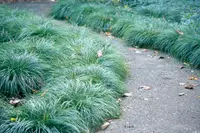
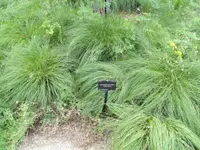
Plant several plugs or divisions 20–30 cm apart in small groups rather than isolated individuals to help the grass stand upright, resist wind lodging, and create a fuller visual effect.

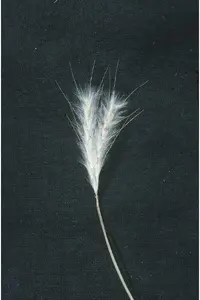
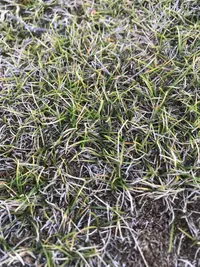
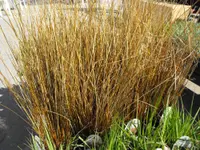
Splitbeard bluestem, Andropogon ternarius, is a warm-season perennial bunchgrass native to the southeastern and south-central United States. It typically grows in loose clumps with upright stems and narrow, bluish-green leaves.
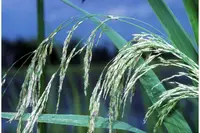
In late summer to fall, it develops airy, silvery seed heads that catch the light and give a soft, shimmering effect in the landscape. The plant often shows attractive bronze or reddish tones as the season cools.
It is naturally found in dry open woods, savannas, roadsides, and sandy fields, which explains its strong drought and heat tolerance. These traits make it low-maintenance once established and guide how to care for splitbeard bluestem in gardens.
It prefers full sun, well-drained soil, and generally does best in sites that are not overly rich or wet.

Care Difficulty
Easy Care

Light Preference
Full Sun

Water Requirements
Low Water

Temperature Preference
Cold Hardy

Hardiness Zone
5–9

Soil Texture
Sandy, Loamy, Rocky

Soil pH
Acidic (5.5–6.5), Slightly acidic (6.5–7.0)

Soil Drainage
Well-drained

Fertilization
Minimal (feed rarely)
Scan your plant to receive care tips personalized for your specific plant
Available on iOS and Android
This warm-season grass thrives in open, bright conditions typical of prairies and meadows.
This species is drought-tolerant and prefers dry to moderately dry conditions once established.
This warm-season perennial grass is adapted to hot summers and cool to cold winters.
Humidity is not a key factor for Andropogon ternarius, which is adapted to open, dry habitats.
Andropogon ternarius prefers lean, dry, mineral soils and performs poorly in heavy or waterlogged conditions.
This species can be grown in containers outdoors, provided the potting setup prevents water retention and root rot.
Andropogon ternarius, or splitbeard bluestem, usually needs minimal fertilization in average garden soil.
Pruning Andropogon ternarius is straightforward and mainly focused on seasonal cleanup rather than reshaping.
This grass is typically grown in the ground, so care focuses on dividing and transplanting mature clumps.
Andropogon ternarius is commonly propagated by division or seed for maintaining or expanding plantings.
Andropogon ternarius is cold hardy in much of its range and usually needs little dedicated winter care.

Plant Health Check
Not sure what's wrong with your plant? Check your plant's health inside the app.
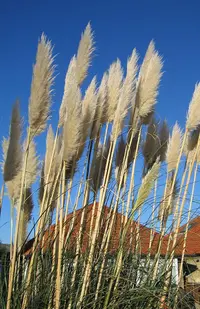
In autumn, the flowering stalks of Andropogon ternarius carry distinctive fluffy, silvery-white seed heads that catch and reflect light, making the plant highly visible in open fields and along roadsides.
This species is especially common in dry, sandy soils of pine barrens, sandhills, and coastal plain habitats in the southeastern United States, where it helps stabilize poor, shifting soils.
The dense clumps and tall stalks provide cover for small mammals and ground-nesting birds, while the seeds offer food for various granivorous birds in late season.

Andropogon ternarius is considered a characteristic grass of the longleaf pine ecosystem, where its clumping growth form and seasonal fuel contribute to the frequent, low-intensity fires that maintain this globally rare habitat.
This warm-season bunchgrass forms tight clumps and expands slowly from the base rather than by running rhizomes. In most garden settings it does not spread aggressively and is unlikely to overwhelm nearby perennials or smaller grasses.
Keep your plants happy and healthy with plant identification, disease detection, and easy care guidance.