Divide Aging Clumps
Every 3–4 years, lift and split congested clumps in early spring, replanting vigorous outer sections at the same depth to keep plants dense and flowering well.

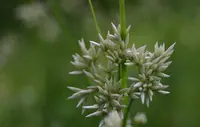
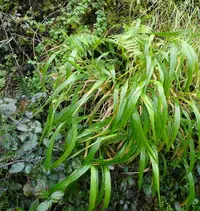
Snowy woodrush, Luzula nivea, is a hardy, clump-forming perennial grass-like plant from mountain meadows and woodland edges in central and southern Europe. It is grown mainly for its soft, arching green leaves and loose clusters of small, white, starry flowers that appear above the foliage in late spring to early summer.
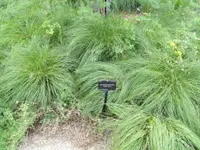
The plant forms dense, low mounds that suit naturalistic borders, shaded edges, and informal groundcover. It tolerates cold, wind, and less-than-perfect soils, which makes it relatively easy to establish.
Luzula nivea prefers light shade, consistent moisture, and humus-rich soil. Gardeners who learn how to care for Snowy Woodrush often value it as a low-maintenance accent in cool, temperate climates.

Care Difficulty
Easy Care

Light Preference
Partial Shade

Water Requirements
Keep Soil Moist

Temperature Preference
Cold Hardy

Hardiness Zone
5–9

Soil Texture
Loamy, Peaty, Organic-rich

Soil pH
Acidic (5.5–6.5), Slightly acidic (6.5–7.0)

Soil Drainage
Moist but well-drained

Fertilization
Minimal (feed rarely)
Scan your plant to receive care tips personalized for your specific plant
Available on iOS and Android
This shade-tolerant ornamental grass prefers cool, gentle light rather than intense sun.
This moisture-loving grass prefers consistently damp soil without becoming waterlogged.
This cool-season perennial grass handles a wide range of outdoor temperatures in temperate climates.
This species handles a wide humidity range but prefers moderately moist air.
Luzula nivea prefers consistently moist, humus-rich soil that does not stay waterlogged.
This species is suitable for container growing in cool to mild climates.
This woodland grass needs only modest feeding, especially in fertile garden soil.
Pruning Luzula nivea is mainly about tidying the clump and maintaining a fresh look.
This species is more often transplanted in the garden than repotted long term in containers.
Propagation of Luzula nivea is straightforward and usually done by division rather than seed.
This hardy grass tolerates typical winters in most temperate regions and usually needs minimal special care.

Plant Health Check
Not sure what's wrong with your plant? Check your plant's health inside the app.
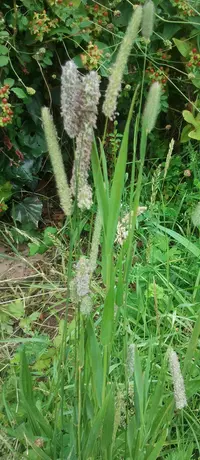
This species forms loose clusters of white, woolly flower heads that persist well after flowering, giving the plant a snow-dusted look late into the season and inspiring its common name, snowy woodrush.
The leaves and flower stalks are lined with fine, silky hairs that help trap moisture and reduce water loss, an adaptation that supports survival on relatively dry, open mountain slopes in its native European range.
It naturally occurs in montane and subalpine grasslands of the Alps and other European mountain regions, often on calcareous (lime-rich) soils, which influences how gardeners select soil mixes when following Luzula nivea care guidance.
Leaf tips often brown from low humidity, drought stress, or accumulated fertilizer salts. Consistent moisture, occasional flushing of the soil, and protection from hot, drying wind usually improve appearance, though existing brown tips will not revert.
Keep your plants happy and healthy with plant identification, disease detection, and easy care guidance.