
prairie dropseed Care (Sporobolus heterolepis)

Also known as: Cousin It grass
prairie dropseed

About prairie dropseed

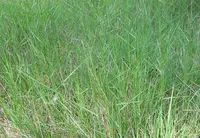
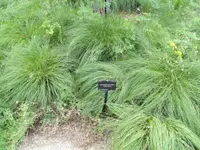
Prairie dropseed (Sporobolus heterolepis) is a long-lived, warm-season ornamental grass native to North American prairies and open glades. It forms dense, fine-textured mounds that stay neat and compact.

Plants produce narrow, arching leaves and airy flower stalks with delicate, fragrant seed heads that move easily in the wind. The clumping, non-spreading habit makes it suitable for borders, meadows, and low-maintenance landscapes.

This species is adapted to sun, lean or rocky soils, and dry conditions once established, which simplifies how to care for prairie dropseed in many home gardens. It is generally slow to mature but very durable and tolerant of heat, drought, and poor soils when given good drainage.

Main Plant Requirements

Care Difficulty

Easy Care

Light Preference

Full Sun

Water Requirements

Low Water

Temperature Preference

Cold Hardy

Hardiness Zone

3–9

Soil Texture

Sandy, Loamy, Rocky

Soil pH

Acidic (5.5–6.5), Slightly acidic (6.5–7.0)

Soil Drainage

Well-drained

Fertilization

Minimal (feed rarely)

Get Personalized Care Plan

Scan your plant to receive care tips personalized for your specific plant

Available on iOS and Android

How to Care for the prairie dropseed

This warm-season grass thrives in open sites with plenty of direct sun for dense, arching growth.

  • Provide 6–8 hours of direct sun daily; full sun produces the best foliage texture and seedheads on prairie dropseed.
  • Allow light afternoon shade in hotter regions; morning sun with dappled shade after 2–3 p.m. reduces leaf tip scorch.
  • Avoid deep shade, which leads to weak, floppy clumps and sparse flowering; choose an unshaded south- or west-facing exposure outdoors.

This species prefers well-drained soil and is notably drought-tolerant once established.

  • During the first growing season, water when the top 3–5 cm of soil are dry, then soak the root zone deeply to encourage strong rooting.
  • After establishment, rely on rainfall, watering only during prolonged dry periods when foliage curls, bluish cast deepens, or leaves begin to crisp.
  • Use sharply drained, sandy or loamy soil; persistent sogginess, algae, or a sour smell around roots indicates overwatering stress for Sporobolus heterolepis.

This North American prairie grass handles a wide temperature range when grown in open, exposed sites.

  • Active growth is strongest around 70–85°F (21–29°C); expect slower growth and shorter foliage outside this range.
  • Tolerates winter cold down to about -20°F (-29°C) in the ground, dying back to the crown and re-sprouting in spring.
  • Handles summer heat up to 95–100°F (35–38°C) if soil is well-drained; prolonged extreme heat with drought may cause earlier dormancy and browning.

Humidity is rarely a concern for this drought-adapted grass in typical outdoor conditions.

This warm-season bunchgrass prefers lean, well-drained mineral soils and tolerates relatively low fertility.

  • Use sandy or gravelly loam with 20–40% coarse sand or grit to keep water moving through the root zone.
  • Ensure fast drainage; water should infiltrate quickly and not pool longer than a few minutes after irrigation or rain.
  • Aim for slightly acidic to neutral pH around 6.0–7.5; avoid highly compacted or heavy clay that stays wet.
  • For Sporobolus heterolepis, limit rich compost to a thin incorporation layer to avoid overly lush, floppy growth.

This species can be grown in containers outdoors, especially in sunny, well-ventilated sites.

  • Choose a deep, heavy pot that resists tipping once the arching foliage matures and catches wind.
  • Use a gritty mix such as 50–60% mineral material (coarse sand or fine gravel) to prevent chronic moisture around the crown.
  • Lift the container slightly on pot feet or bricks so drainage holes release water freely after storms.

Sporobolus heterolepis is a low-maintenance native grass that usually needs little or no fertilizer in average garden soil.

Pruning Sporobolus heterolepis is simple and mainly keeps the clump tidy and encourages fresh growth.

  • Cut back the entire clump to 7–10 cm in late winter or very early spring before new shoots emerge.
  • Remove dead, broken, or lodged stems during the season using clean hand pruners or shears as needed.
  • Shearing yearly maintains the fountain shape and improves air flow through the foliage, reducing disease risk.

This grass is more often grown in the ground than in containers, so focus on careful transplanting rather than frequent repotting.

  • Transplant in early spring or early fall when temperatures are mild to reduce stress on roots.
  • Move clumps only when growth slows, plants outgrow their space, or container roots circle the drainage holes.
  • Dig a wide hole, keep the root ball as intact as possible, and replant at the same depth in well-drained soil.
  • Water deeply after transplanting, then keep soil lightly moist for several weeks until new growth resumes.

Sporobolus heterolepis is propagated mainly by seed and by division of mature clumps.

  • Collect ripe seed in late summer to fall, then sow in trays with a well-drained mix and light soil cover.
  • Provide cool to mild conditions and consistent, light moisture for several weeks to support germination.
  • Divide established clumps in early spring, slicing into sections with several buds and a healthy root mass.
  • Replant divisions promptly at the original soil level and water well to settle soil around the roots.

This prairie grass is very cold hardy and usually needs minimal winter care in the ground.

  • In most climates, leave dry foliage standing over winter to insulate the crown and provide habitat.
  • Cut back dead growth in late winter rather than fall to maintain seasonal interest and crown protection.
  • For containers in very cold regions, move pots to a sheltered, unheated area to prevent repeated freeze–thaw of roots.

Care Tips

Spring division timing

If clumps thin out in the center, divide them in early spring just as new growth emerges, replanting outer, vigorous sections at the same depth to maintain dense, arching foliage and flowering performance.

Seed head management

Leave seed heads standing through winter to provide wildlife food and winter interest, then cut back the entire clump to 5–8 cm in late winter before new shoots appear to keep growth tidy and healthy.

Summer weed suppression

In the first 1–2 years, hand-weed around young plants regularly and use a light, breathable gravel or stone mulch to reduce competition from annual weeds without trapping excess moisture around the crown.

Right spacing strategy

Space plants 45–60 cm apart in mass plantings to allow each clump to develop a full fountain shape while still knitting together into a low-maintenance matrix that suppresses weeds once established.

Drought-hardening approach

After the first establishment year, gradually extend intervals between deep waterings during warm months to encourage deep root growth and long-term drought resilience when growing prairie dropseed.

Common Pests and Diseases

Rust

This disease appears as small orange to brown pustules on leaves and stems, sometimes causing early leaf yellowing and thinning of clumps.

Solution

Remove and discard affected foliage, avoid overhead watering, and improve air circulation by spacing and periodic division of dense clumps. In severe, recurring cases, apply a grass-safe fungicide labeled for rust in late spring as new growth emerges, following label rates carefully.

Leaf spot

This disease causes small tan to dark brown spots on blades that may merge into larger blotches, giving the foliage a scorched or patchy appearance.

Solution

Cut back and remove infected foliage to reduce inoculum, water at the base rather than over the leaves, and maintain good air flow around plants. For persistent problems, use a systemic or contact fungicide labeled for leaf spots on ornamental grasses, timed to early symptom appearance.

Grasshoppers

These insects chew irregular holes along the leaf margins and tips, sometimes leaving ragged clumps in late summer and fall.

Solution

Handpick and destroy visible insects on small plantings and encourage natural predators by maintaining plant diversity nearby. If damage is heavy, use a targeted grasshopper bait or spot treatment with an insecticide labeled for ornamental grasses, focusing on early life stages.

Aphids

This pest clusters on tender new growth and flowering stems, sucking sap and causing slight curling, distortion, or sticky honeydew that can attract sooty mold.

Solution

Spray plants with a strong stream of water to dislodge aphids and repeat as needed. For ongoing infestations, apply insecticidal soap or a light horticultural oil, coating both sides of the foliage in cool, shaded conditions to avoid leaf burn while supporting balanced Sporobolus heterolepis plant care.

Interesting Facts

Vanilla-scented flowering

Flowering clumps release a dry, sweet fragrance often compared to popcorn or vanilla, especially on warm afternoons when the tiny flowers are shedding pollen.

Self-mulching leaf base

Old leaves gradually accumulate around the plant’s crown, forming a dense thatch that helps conserve soil moisture and suppress nearby weed seedlings in its native prairie habitat.

High-value prairie matrix

This grass often forms the fine-textured ground layer in remnant tallgrass prairies, providing cover for insects and ground-nesting wildlife while allowing taller wildflowers and grasses to emerge through its airy foliage.
Botan icon

Did you know?

Sporobolus heterolepis forms extremely fine, fibrous root systems that can reach more than 1 m deep in favorable prairie soils, helping stabilize the ground against erosion and allowing the plant to survive extended drought by accessing deeper moisture reserves.

FAQs about prairie dropseed

Brown leaf tips often come from drought stress, reflected heat, or salt from de-icing or fertilizers. Deep but infrequent watering, mulching, and avoiding excess fertilizer usually improve appearance. Old inner foliage naturally browns as clumps age.

Grow Healthy Plants with Botan Care

Keep your plants happy and healthy with plant identification, disease detection, and easy care guidance.

Botan plant care app — identify plants on mobile

Explore More Plants