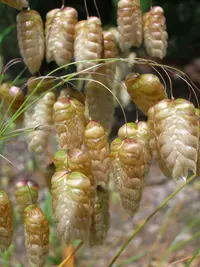
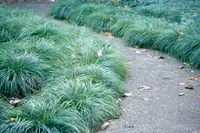
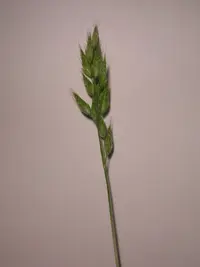
thinleaf false brome Care (Brachypodium phoenicoides)

thinleaf false brome

About thinleaf false brome

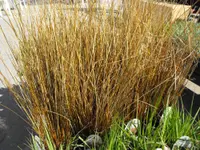
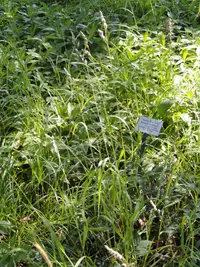
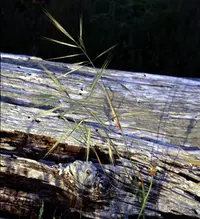
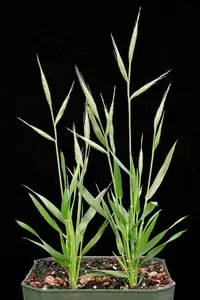
Thinleaf false brome, Brachypodium phoenicoides, is a cool-season perennial grass native to parts of Europe and western Asia. It typically grows in loose clumps with narrow, arching leaves and fine-textured foliage.

This species often occurs in open woodlands, grasslands, and rocky slopes, where it benefits from moderate light and well-drained soils. It is generally undemanding once established, though it prefers consistent moisture and does not thrive in very compacted or waterlogged ground.

Gardeners who care for thinleaf false brome usually value its adaptability, tolerance of poorer soils, and relatively low maintenance needs compared with more delicate ornamental grasses.

Main Plant Requirements

Care Difficulty

Easy Care

Light Preference

Full Sun

Water Requirements

Moderate Water

Temperature Preference

Cold Hardy

Hardiness Zone

5–9

Soil Texture

Sandy, Loamy, Silty

Soil pH

Acidic (5.5–6.5), Slightly acidic (6.5–7.0)

Soil Drainage

Well-drained

Fertilization

Minimal (feed rarely)

Get Personalized Care Plan

Scan your plant to receive care tips personalized for your specific plant

Available on iOS and Android

How to Care for the thinleaf false brome

This cool-season grass prefers consistent light but copes well with variable garden conditions.

  • Provide 4–6 hours of direct sun daily, ideally with morning sun and light afternoon shade to reduce heat stress on thinleaf false brome foliage.
  • Plant in an open site with full sun to light partial shade; in hotter regions, protect from harsh afternoon sun with dappled tree cover or a north/east-facing exposure.
  • Watch for weak, floppy growth and sparse clumps as signs of insufficient light, and for scorched leaf tips or bleached patches as signs of excessive sun, especially in summer.

This species prefers evenly moist but not saturated soil once established.

  • Water when the top 3–5 cm of soil feel slightly dry, aiming for soil that stays moist to the touch without puddling or a sour smell.
  • Use well-drained soil or a site with gentle slope to prevent standing water, which increases root rot risk and causes yellowing, limp foliage in Brachypodium phoenicoides.
  • Increase watering frequency during hot, dry periods when leaves curl or feel papery, and reduce it in cool, rainy seasons to avoid soggy, compacted soil.

This grass is adapted to temperate climates with cool to mild growing seasons.

  • Active growth occurs around 50–70°F (10–21°C), with best density and color in cool spring and fall conditions rather than peak summer heat.
  • Mature plants tolerate winter lows near 5–10°F (-15 to -12°C) with mulched roots; top growth may brown, but crowns usually survive and resprout in spring.
  • In hot regions, brief exposure to 85–90°F (29–32°C) is tolerated if soil moisture is maintained, but prolonged heat and drought cause leaf browning and thinning clumps.

This grass tolerates a wide humidity range and usually does not need special adjustments in typical outdoor conditions.

This cool-season grass prefers moderately fertile, well-drained mineral soils.

  • Use a loamy or sandy loam structure with some organic matter to support root development without becoming heavy.
  • Aim for pH 6.0–7.5, adding garden lime on very acidic sites or sulfur on calcareous, high-pH soils if needed.
  • Improve drainage and aeration by incorporating coarse sand or fine grit, especially in compacted or clay-rich soils.
  • Avoid waterlogged, poorly drained sites where Brachypodium phoenicoides is prone to root decline and reduced vigor.

This species can be grown in containers if the pot supports its clumping grass habit and extensive root system.

  • Select a deep, stable container to accommodate fibrous roots and prevent the tufted foliage from tipping the pot in wind.
  • Choose a heavier material such as ceramic or thick-walled terracotta in exposed sites to improve stability for the arching clumps.
  • Use a potting mix that drains quickly yet retains moderate moisture, and ensure excess water can exit freely through unobstructed drainage holes.

This cool-season grass usually needs only modest feeding, especially in fertile garden or meadow soils.

  • Use a light application of balanced NPK granular fertilizer (for example 10-10-10) or a thin layer of mature compost in early spring as growth resumes.
  • Apply at most once per growing season; overfertilizing makes thinleaf false brome floppy and more prone to lodging.
  • Reduce or stop feeding in late summer; do not fertilize in winter dormancy.
  • If using liquid feed in containers, dilute to 25–50% strength and water onto moist soil only.

Brachypodium phoenicoides benefits from periodic pruning to keep clumps tidy and support healthy new growth.

  • Cut back old foliage and spent flower stems to 5–10 cm in late winter or very early spring before new shoots elongate.
  • Remove dead, diseased, or badly damaged stems at the base whenever noticed to limit pest and disease build-up.
  • Thin out the densest sections by cutting some stems at soil level to improve air flow and reduce fungal problems.
  • Use sharp hand shears or grass shears; make clean cuts and remove all clippings to keep the planting area neat.

This grass is more often grown in the ground, so care focuses on transplanting clumps rather than frequent repotting.

  • Transplant in early spring or early autumn when temperatures are mild and soil is moist but not waterlogged.
  • Look for signs such as congested clumps, weak center growth, or containers with roots circling and emerging from drainage holes.
  • Divide overgrown clumps every 3–5 years, replanting vigorous outer sections at the same depth in prepared soil.
  • Reduce root stress by watering well before and after moving, trimming excessively long foliage, and shading new transplants for 2–3 days.

This species is most commonly multiplied by division, with seed propagation also possible for larger projects.

  • Divide established clumps of Brachypodium phoenicoides in early spring or early autumn when conditions are cool and moist.
  • Lift the clump, then cut into sections with several healthy shoots and roots each, discarding weak or woody centers.
  • Replant divisions immediately into loosened, well-drained soil, water thoroughly, and keep evenly moist until new growth appears.
  • For seed, sow shallowly on the soil surface in cool conditions, maintaining consistent moisture and good light for germination.

This cool-season grass is generally cold hardy in temperate climates and needs only minimal winter care once established.

  • In-ground plants usually tolerate freezing temperatures and light snow without additional covering.
  • Apply a 3–5 cm layer of organic mulch around, but not on top of, crowns in colder regions to buffer freeze–thaw cycles.
  • For container-grown plants in very cold areas, move pots to a sheltered, unheated space and water sparingly to keep roots just barely moist.

Care Tips

Clump Renewal

Every 3–4 years, lift and divide dense clumps in early spring before active growth to prevent center die-out and maintain vigorous, even tufts.

Seed Head Management

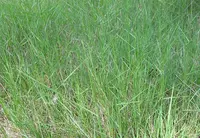
If self-seeding is undesirable, cut back flowering stems just as the seed heads turn from green to straw-colored to reduce volunteer seedlings while preserving the plant’s shape.

Slope Stabilization Use

On gentle slopes, plant in staggered rows and avoid frequent disturbance of the root zone so the fibrous roots can knit the soil and reduce erosion over time.

Thatch Control

Rake out accumulated dead foliage at the base of plants in late winter to improve air movement, reduce fungal issues, and encourage a fresh flush of leaves.

Low-Input Meadow Integration

In meadow-style plantings, combine it with other low to medium-height grasses and forbs of similar water needs, then cut the whole stand once annually in late winter for low-maintenance growing thinleaf false brome.

Common Pests and Diseases

Leaf rust

This disease causes yellow to orange-brown pustules on leaves that can coalesce into larger necrotic patches and reduce plant vigor.

Solution

Remove and discard heavily infected foliage, avoid overhead watering, and increase air circulation around clumps; in garden or restoration settings, use a grass-safe fungicide labeled for rusts only if cultural measures fail and infection is severe.

Powdery mildew

This disease appears as white, powdery patches on leaf surfaces, often starting on older leaves and spreading under humid, shaded conditions.

Solution

Improve light and air movement, thin overly dense stands, avoid wetting foliage late in the day, and prune out the most affected leaves; in persistent cases, a sulfur or potassium bicarbonate product labeled for ornamental grasses can be used according to label directions.

Aphids

These insects feed on sap from young shoots and leaf bases, causing distortion, yellowing, and sticky honeydew that can support sooty mold.

Solution

Spray foliage with a firm stream of water to dislodge colonies, encourage natural predators such as lady beetles, and, if needed, apply an insecticidal soap or horticultural oil, coating leaf bases and undersides thoroughly.

Leaf spot complex

This disease group causes small tan to dark-brown lesions on leaves that may develop pale halos and lead to premature leaf dieback, especially in dense, moist plantings.

Solution

Remove and dispose of infected leaf litter, reduce irrigation on foliage, and increase spacing between clumps; in high-value plantings, a broad-spectrum foliar fungicide labeled for leaf spots on ornamental grasses may be used when new symptoms first appear.

Interesting Facts

Mediterranean steppe specialist

This grass is naturally found in dry, open habitats across the western Mediterranean region, especially in rocky slopes, scrub, and light woodland clearings where summer drought is common.

Characteristic reddish tinge

Mature leaves and stems often develop a distinct reddish or purplish tinge, especially under strong light and dry conditions, which helps distinguish it from related Brachypodium species in the field.

Important forage resource

In many Mediterranean pasture systems it forms part of the spring forage for grazing livestock, contributing to early-season grass biomass before intense summer drying sets in.

FAQs about thinleaf false brome

This species spreads by seed and short rhizomes, forming loose clumps rather than dense mats. In managed gardens it is usually not aggressive, but in mild climates seed heads should be cut before shedding to limit unwanted spread.

Grow Healthy Plants with Botan Care

Keep your plants happy and healthy with plant identification, disease detection, and easy care guidance.

Botan plant care app — identify plants on mobile

Explore More Plants